

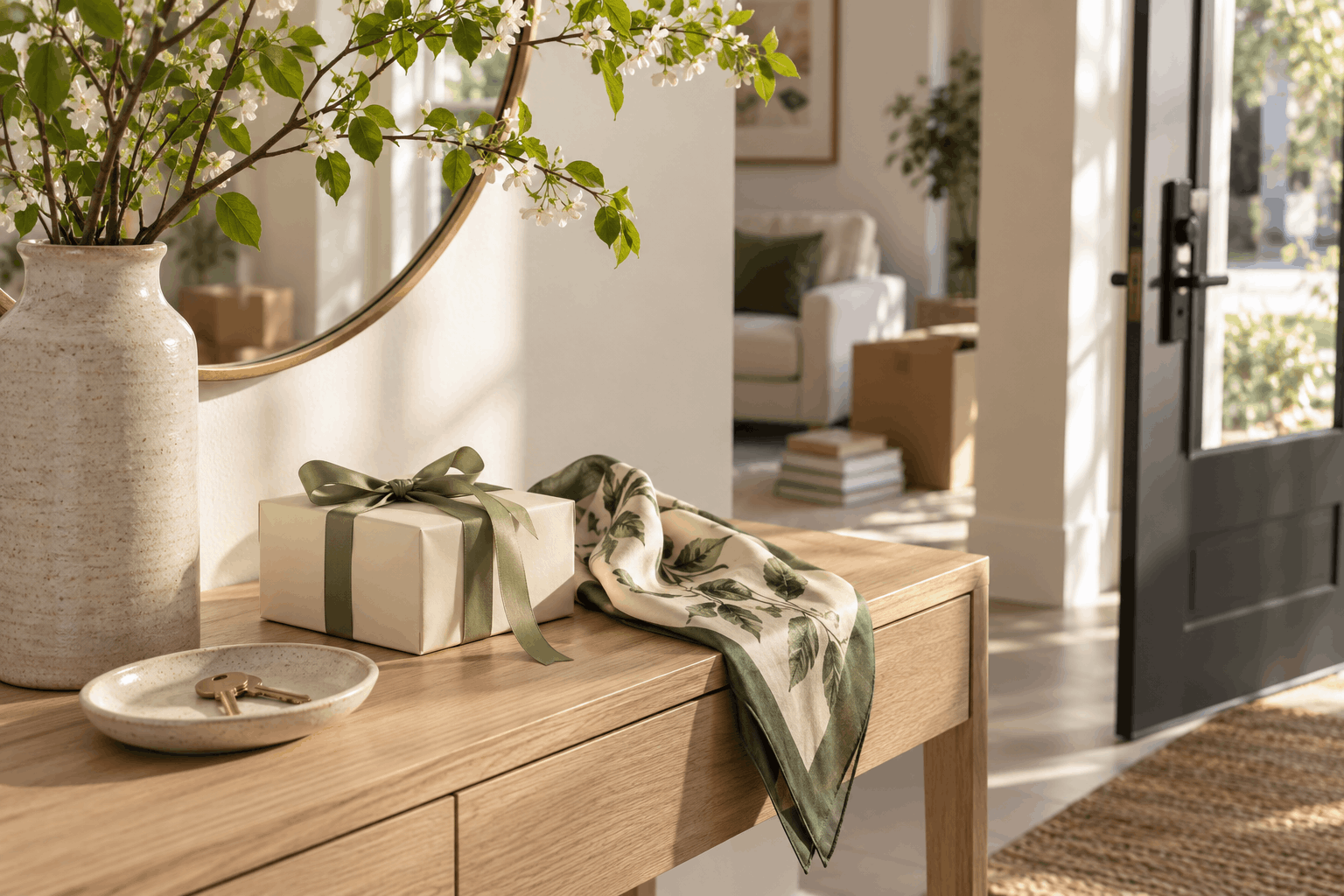
The first weeks in a new home are full of small decisions: where the books will go, which corner catches the morning light, and how to make unfamiliar rooms feel like your own. A thoughtful housewarming gift should bring pleasure to that process.
Good Chinese housewarming gifts include useful ceramics, a compact tea set, art with a clear cultural story, and a personal keepsake for the host. Symbols such as peonies, bamboo and the character for good fortune can add meaning, provided the gift suits the recipient’s taste and space.
Begin with the life they want to build there. A gift for a first apartment may need to be small and practical; a present for an established household might celebrate a shared interest. The best choice expresses your good wishes while giving them something they will enjoy.
Choose the wish before the object
Harmony, prosperity and new beginnings can mean different things to different people. For one friend, a harmonious home means quiet mornings. For another, it means a table where everyone feels welcome. Prosperity might mean comfort, opportunity or the freedom to enjoy what they have worked towards.
Choose one idea that fits the recipient, then decide how the gift can express it. You may use a documented cultural symbol, a personal memory, or a simple message in the card. These approaches can work together without making the object responsible for bringing luck.
Chinese symbols to consider for a new home
| Symbol or design | Meaning or context | Gift direction |
|---|---|---|
| Fu — 福 | Good fortune | A carefully chosen card or small artwork |
| Peony | Riches and honour in Chinese symbolism | A floral print, ceramic piece or seasonal flowers |
| Bamboo | Integrity and strength | A botanical artwork or documented textile design |
| Lotus and box in He-He imagery | Harmony and union in a specific symbolic context | A clearly explained artwork for someone who appreciates that tradition |
These associations are not a compulsory housewarming gift list. The context of a particular design matters, and a contemporary maker may add an interpretation of their own.
Fu: a direct wish for good fortune
The character 福, pronounced fú, means good fortune or good luck. It is particularly familiar in Chinese New Year decoration. Its meaning can also inform a personal message for a new home, without making a housewarming gift seasonal. See the background to the fu character.
A card is a useful place for this reference if you are unsure whether the recipient would want calligraphy on their wall. Let them decide what becomes part of their permanent decor. For a commissioned piece, check the wording and artwork before it is produced.
Peonies: a flourishing home
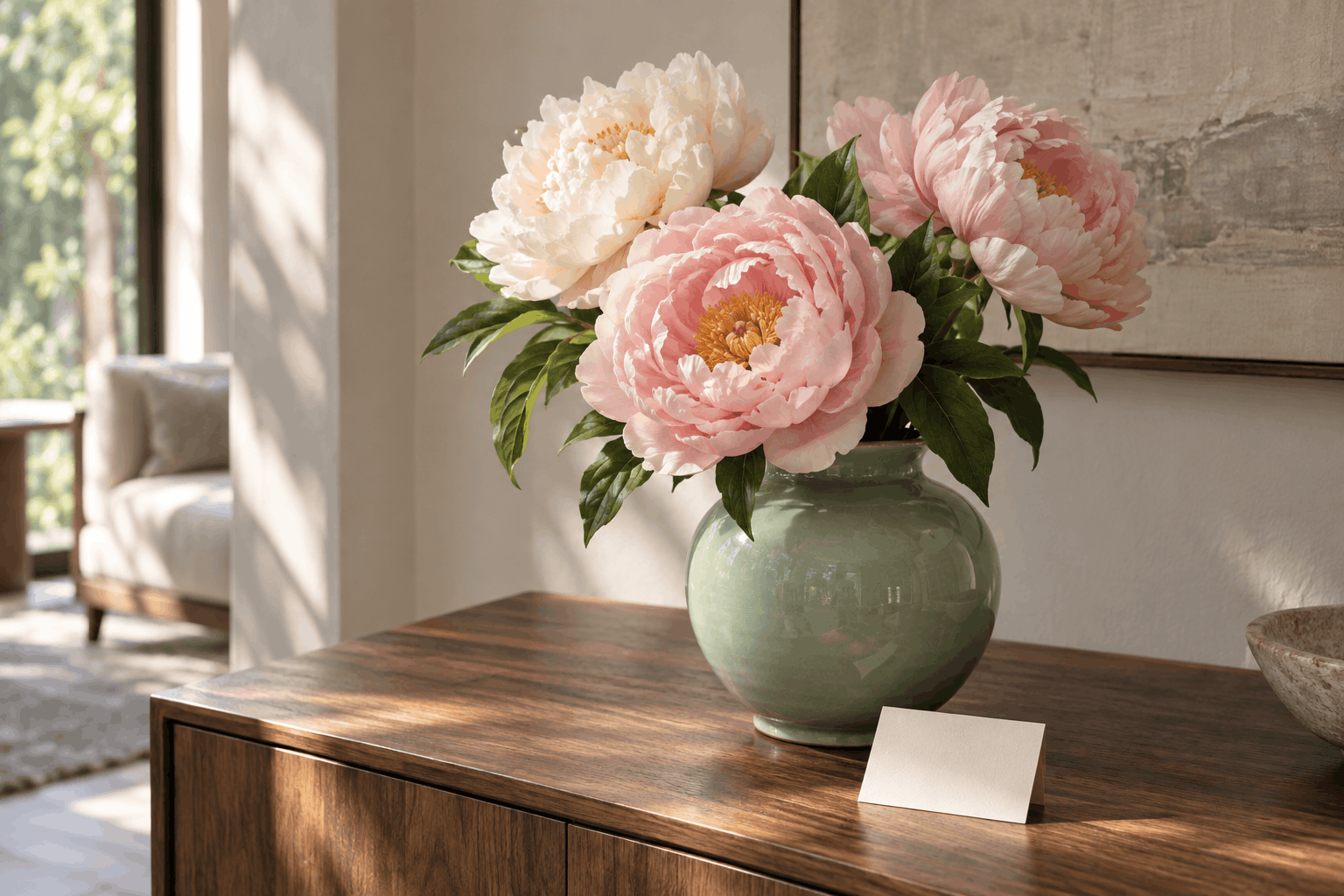
The peony’s association with riches and honour gives it a natural place in a gift carrying wishes for prosperity. The cultural history of peonies describes this longstanding Chinese association.
A floral ceramic or art print can carry the motif throughout the year. Fresh peonies may also be lovely when available and welcome, but choose flowers because the recipient enjoys them. A smaller arrangement in a suitable vessel is easier to receive during a move than an elaborate bouquet that immediately needs attention.
Your card can interpret prosperity personally: “May this home give you room for everything you hope to grow.” That is your own wish, not a translation of a traditional saying.
Bamboo: a thoughtful way to acknowledge change
The Metropolitan Museum of Art identifies bamboo with integrity and strength in its discussion of Xia Chang’s Windblown bamboo. Those associations can offer a starting point for a gift to someone taking an important step.
Connecting that imagery with a house move is a personal application, rather than a claim that bamboo universally means “new home.” You might choose a bamboo-inspired design because you admire the recipient’s steadiness, or simply because its lines suit their taste.
A botanical print offers the visual appeal without asking someone to care for a live plant. If you prefer to give a plant, check that they want one and have an appropriate place for it.
Harmony: understand the whole composition
In depictions of the He-He immortals of Harmony and Union, a lotus and a box are part of a specific symbolic pairing. This does not mean that every lotus design, or every gift placed in a box, carries the same message.
For many recipients, you can express a wish for harmony more directly through a useful gift and a sincere note. Tea cups for shared conversation or a serving bowl for meals with friends can embody your idea of a welcoming home. That is a contemporary gifting suggestion, not an ancient rule.
Six thoughtful Chinese housewarming gift ideas
1. A useful ceramic piece with room to belong
A modest vase, serving bowl or small dish can fit into daily life more easily than a large decorative object. Choose a Chinese maker or a documented Chinese design connection, and look for clear information about material, dimensions and production.
Think about how the recipient uses their space. A narrow vase may suit someone who brings home a few stems each week; a serving dish may be better for someone who loves cooking for friends. Check that tableware is intended for food use and read the care instructions.
If their home is still taking shape, favour a piece they have requested or ask about the colours they are choosing. A gift should leave them room to make their own decisions.
2. Tea and teaware for settling in
A compact tea set can mark the moment when a new home begins to feel comfortable. Choose the number and size of cups around the household’s routines, and check whether they already have teaware they enjoy.
For an enthusiastic tea drinker, the type of tea and brewing method matter more than decorative packaging. For a beginner, a straightforward set with clear instructions may be more useful than specialist equipment.
Tea can also be a good option when you do not know their interior style. Ask about their preferences, give it in its original labelled packaging and keep it separate from any silk or scented items.

3. Art chosen around a shared interest
A small print can offer a lasting connection with Chinese art or contemporary design. Consider a subject the recipient already enjoys: botanical forms, a landscape, architecture or an expressive abstract composition.
Before buying, check the artist, edition details, dimensions and framing arrangements. An original work, an authorised print and a decorative reproduction are different things. Choose with that distinction in mind.
If they are particular about interiors, invite them to choose from a shortlist. The pleasure of selecting a piece together may be part of the gift, especially if this is their first home with space for art.
4. A book for their first quiet weekend
A well-chosen book about Chinese gardens, ceramics, art or design can be a generous gift without dictating how the rooms should look. Choose around an existing interest and check the language, contents and sample pages.
For someone who loves gardens, a publication with detailed photographs and commentary may offer years of enjoyment. For a ceramics enthusiast, a focused book about a collection or maker may be more rewarding than a broad decorative volume.
Keep a gift message on a separate card if the recipient prefers books unmarked. You might suggest an afternoon together exploring a related exhibition once the moving boxes are gone.
5. A personal silk keepsake for the host
A housewarming gift does not always need to furnish the house. For a close friend who enjoys accessories, a silk scarf can celebrate the person beginning this chapter without adding another object to their shelves.
Choose according to their wardrobe, then consider the design story. A garden-inspired composition or a clearly documented botanical motif may provide a personal connection with the occasion. Our design stories explain how Lanting Loom approaches cultural and natural inspiration.
Browse square silk scarves with the recipient’s preferred colours in mind, and compare dimensions using our scarf size guide. A scarf is a personal gift for its wearer; if the housewarming celebrates several people, make sure your overall gesture acknowledges the household.
Present it as something to wear and enjoy. Do not assume an accessory scarf is suitable as a tablecloth, cushion cover or other furnishing.
6. A small gift set with a clear purpose
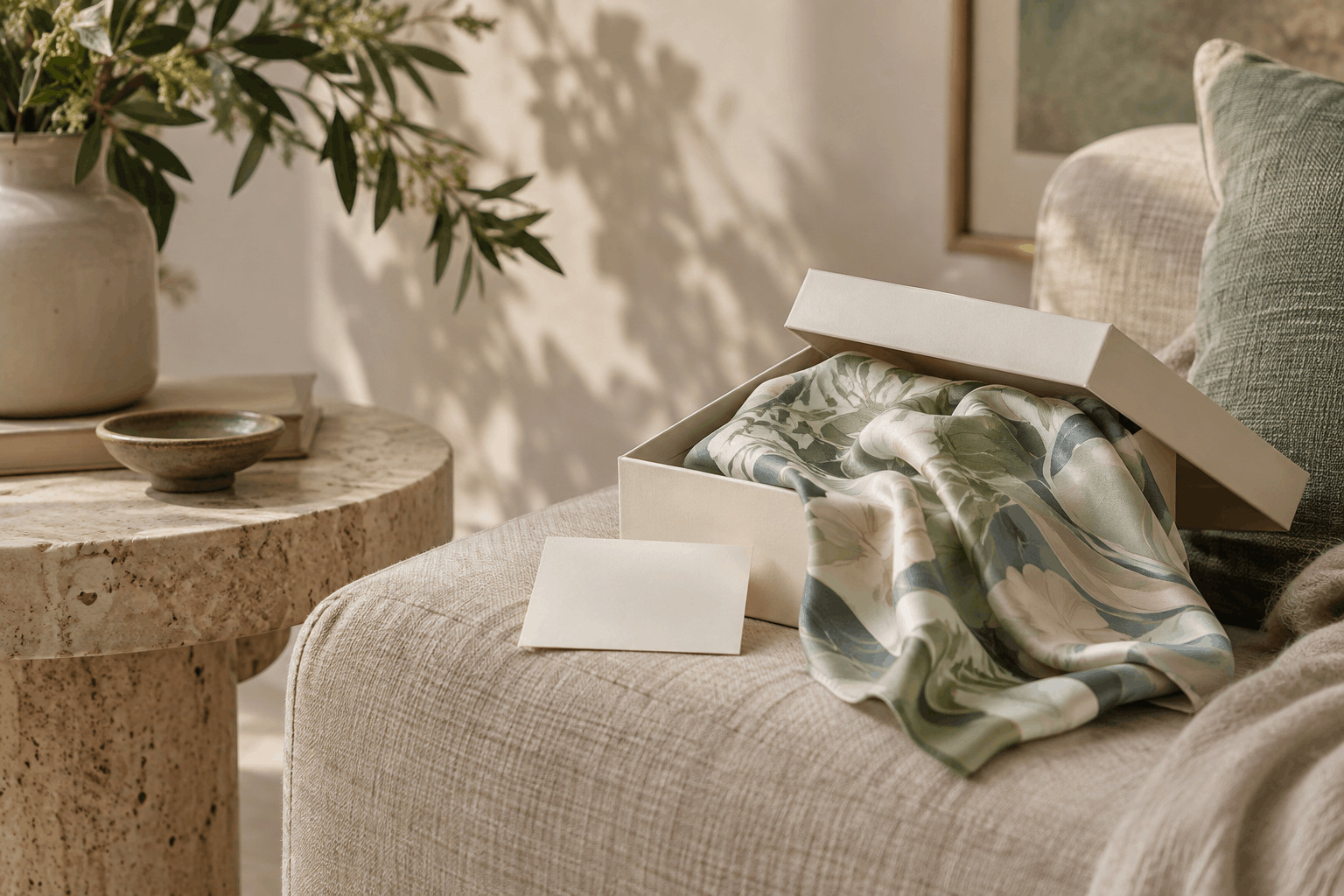
A good set brings together items the recipient will use. For a home-focused gift, that might mean a cup and tea they enjoy. For a personal keepsake, it might mean a scarf with considered presentation and a message explaining why you chose it.
Read the exact contents before ordering. More items do not necessarily make the gift more thoughtful, and photographic props may not be included.
Lanting Loom’s silk scarf gift sets can suit a personal gift for a scarf wearer. Check each listing to understand the included pieces and available presentation options, then choose on the strength of the central design.
Choose for the home they actually have
- A compact apartment: think about storage, surface space and how often the item will be used. Small does not have to mean impersonal.
- A first home: ask what is still needed. One useful item they want can be more welcome than several decorative surprises.
- An established household moving again: they may already own the essentials. A book, favourite tea or personal keepsake can acknowledge the move without duplicating them.
- A household with strong design preferences: give them a choice before buying art, textiles or a prominent decorative piece.
- A move over a long distance: confirm when they will be ready to receive a parcel and which address is correct.
A new home can be a rented apartment, a shared space or a place bought after years of saving. Match the tone to the recipient’s circumstances, and avoid assuming that every move is a purchase or a family milestone.
How to express new beginnings without inventing symbolism
You do not need to find a traditional emblem that literally means “first apartment.” A design can connect with the move through a personal association: colours that recall the new garden, a landscape connected with their city, or a motif they have always loved.
Make the distinction clear. “This reminded me of your new garden” explains your choice. “This ancient symbol guarantees success in a new home” makes a claim the gift cannot support.
The same care applies to production descriptions. Check whether a design is printed, woven or embroidered, and whether any hand-finishing claim is supported by the listing. Contemporary manufacture and a thoughtful cultural source can sit comfortably together.
What to write in a housewarming card
Keep the message warm and specific. Name the home, the recipient or the reason you chose the gift, then offer a wish they will recognise as yours.
- For a peaceful home: “Wishing you a home that gives you room to rest, think and enjoy the everyday.”
- For someone who loves hosting: “For a table full of good conversations and people who feel welcome.”
- For a fresh start: “Here’s to making this place your own, one happy memory at a time.”
- With a personal silk gift: “A little something for you as you settle into your new chapter. I thought these colours were very you.”
If you use Chinese wording or calligraphy, choose words you understand and have them checked before printing or engraving. A sincere message in your own language is equally appropriate.
Frequently asked questions
What is a good Chinese housewarming gift?
A useful ceramic piece, tea, a small art gift or a personal keepsake can all work well. Choose according to the recipient’s interests and available space, and explain any cultural meaning accurately.
Which Chinese symbol is associated with prosperity?
Peonies are a familiar example, associated with riches and honour. Fu expresses good fortune more broadly. Choose the actual design carefully and present the meaning as a wish rather than a guaranteed effect.
Do Chinese housewarming gifts need to be red?
No. The recipient’s taste can guide the palette. If they enjoy a more traditional presentation, ask what they would welcome; do not assume every household follows the same preferences.
Is a silk scarf an appropriate housewarming gift?
It can be a thoughtful personal gift for a host who enjoys scarves, especially when they do not need more homeware. Choose it for the wearer and acknowledge other household members appropriately.
What should I avoid giving?
Be cautious with large decor, strong scents, plants that require unwanted care or objects that duplicate what they already own. Where cultural or family preferences are important, ask someone close to the recipient rather than relying on a universal list of taboos.
A welcome that lasts beyond moving day
The most satisfying housewarming gift becomes part of a life: a cup used at breakfast, a book opened on a free afternoon or a scarf worn on the first outing from a new address. Its meaning grows through those ordinary moments.
If a personal silk keepsake feels right, explore Lanting Loom’s gift sets and silk scarves. Check our shipping information and confirm the recipient’s move-in plans before arranging delivery.
