

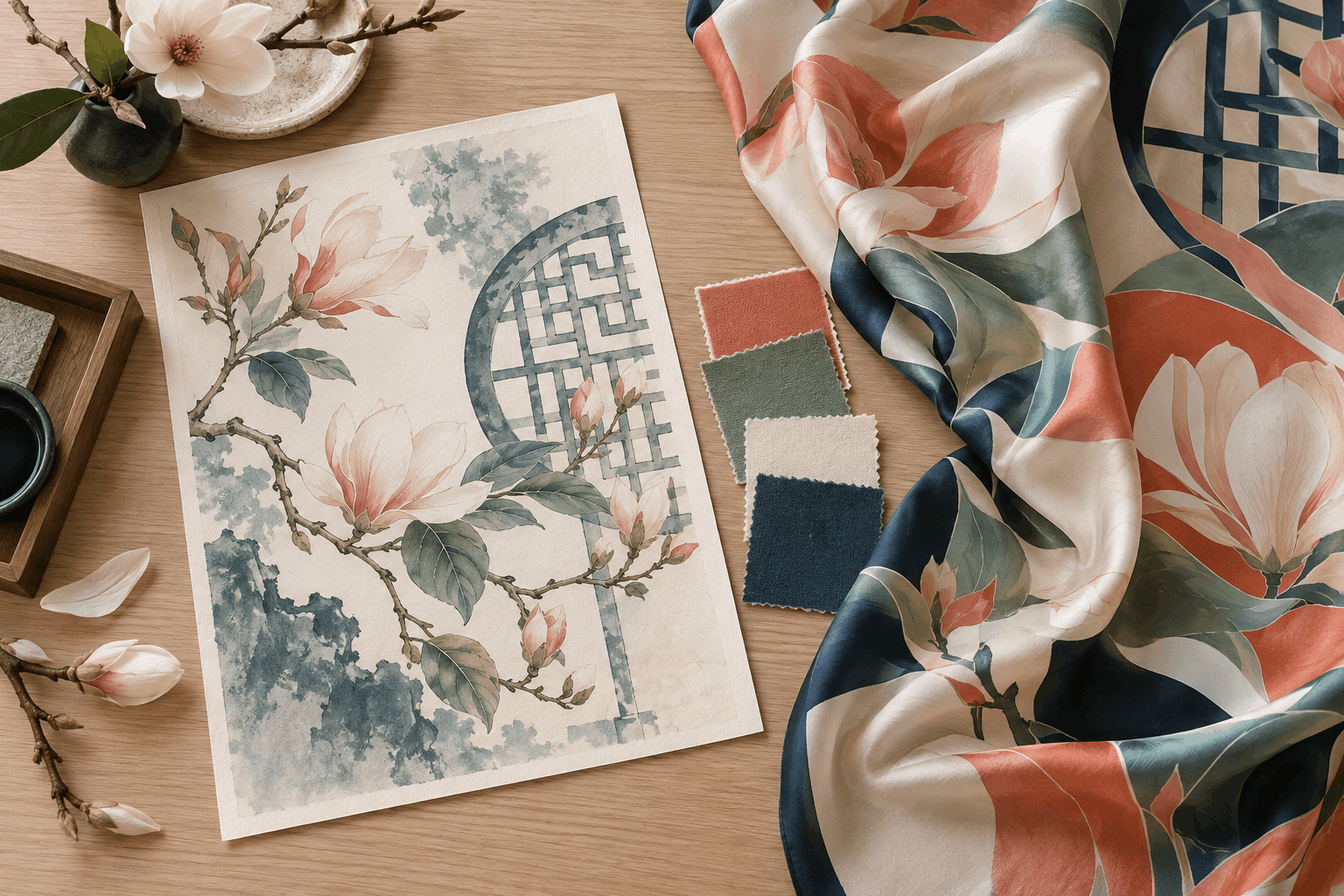
A museum shop gives visitors a way to carry something of their experience home. The most thoughtful purchase might be a postcard, a book, a useful object or a silk scarf whose design recalls a detail they noticed in the galleries.
Choose museum gift shop merchandise by looking for a clear collection connection, lasting practical or emotional value, dependable quality and a price that suits the intended visitor. Then check whether it is easy to carry, explain and care for. These qualities give an item a stronger reason to remain part of someone’s life after the visit.
No product category guarantees that visitors will keep what they buy. A considered selection process can, however, move the shop beyond choosing items simply because a familiar image fits on them.
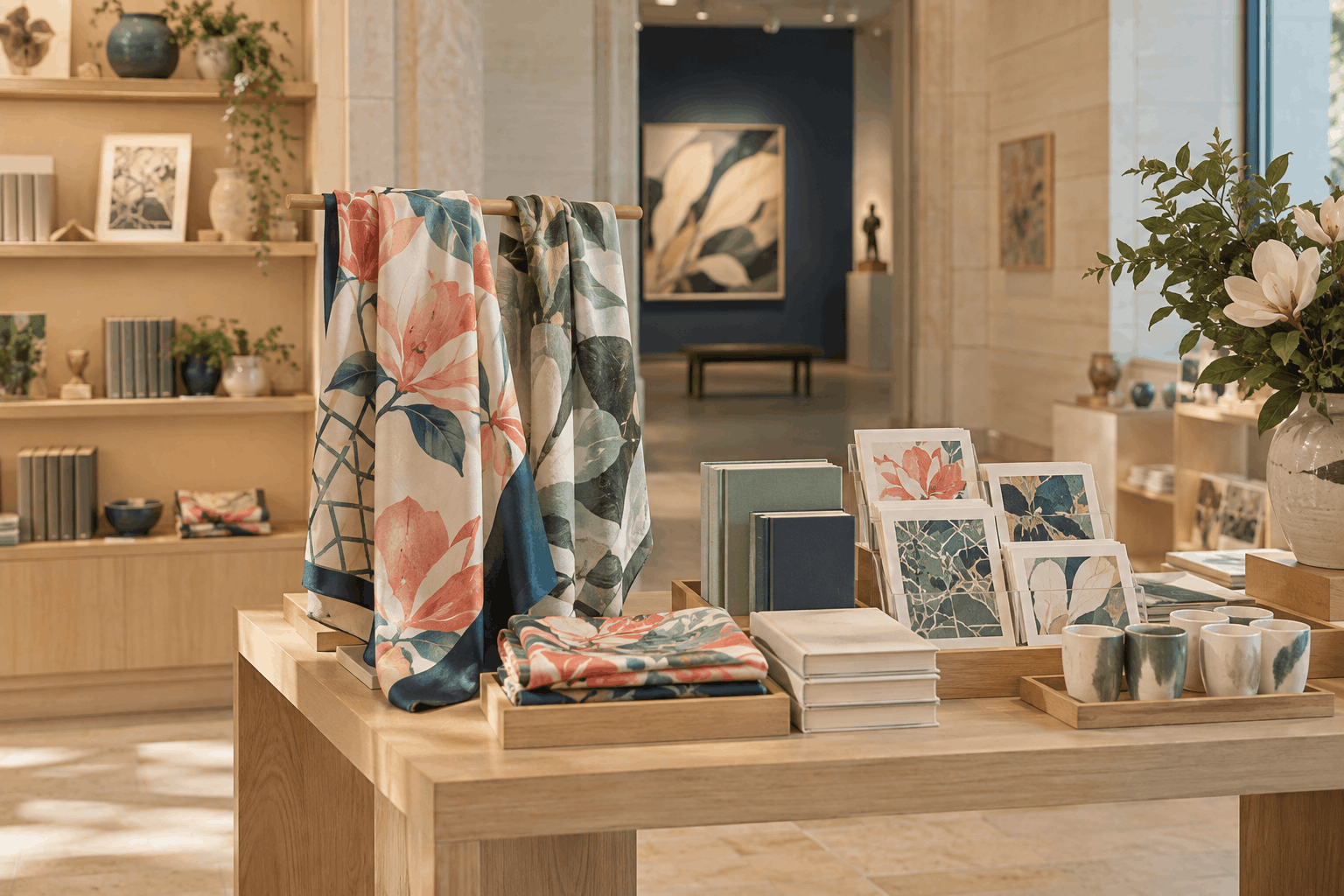
1. Make the Collection Connection Clear
Start with the museum’s collection, purpose and audience. Ask which objects, ideas, places or stories visitors might want to remember, and what kind of product could express that connection well.
The Museum Store Association describes nonprofit retail as part of the visitor experience, helping people take something of that experience home. The Met Store similarly describes its products as inspired by the museum’s collection and explains that purchases support its work.
For your own assortment, write a one-sentence reason each item belongs. “This pattern interprets the garden lattice visitors pass on the way to the exhibition” gives a buyer and sales assistant something specific to communicate.
An item can connect through subject, technique, material or a contemporary maker’s response. It does not always need a literal reproduction, but the relationship should be honest and understandable.
2. Translate the Source Into a Good Product
A compelling artwork does not automatically become a compelling accessory or household object. Scale, cropping, colour and placement need to suit the product’s shape and use.
On a silk scarf, a border may remain visible when the central image disappears into a fold. A delicate botanical detail might work better as an enlarged rhythm than as a small reproduction of the entire source.
Ask two questions: would someone enjoy the object without reading its story, and does learning the story make it more meaningful? Both answers matter.
When developing merchandise with artists, collections teams or external designers, agree on source images, permissions, credits and approval responsibilities early. Describe an interpretation as an interpretation, and make exclusivity claims only where they are supported by the arrangement.
For a scarf project, bespoke silk scarf development provides a starting point for discussing how a visual source might become wearable artwork.
3. Give Every Product a Role in the Assortment
A museum welcomes people with different interests, budgets and reasons for visiting. Build a range that offers meaningful choices across those needs, with a clear purpose for each product.
| Product type | Reason to keep it | What to assess |
|---|---|---|
| Postcards and small prints | A favourite image to display, collect or share | Image quality, accurate credit and protection for travel |
| Books and exhibition publications | A way to revisit ideas and learn more | Content, readability, binding, weight and audience fit |
| Stationery | A useful object that brings a visual memory into daily routines | Paper, construction and suitability for its intended use |
| Silk scarves and textile accessories | Wearable design with a meaningful collection connection | Fabric, colour, drape, finishing and styling versatility |
| Ceramics and small home objects | A practical or decorative reminder in the home | Finish, intended use, care information and protective packing |
A modestly priced postcard can be deeply valued. A premium scarf can serve someone seeking a distinctive personal purchase or gift. Price alone does not determine which object will matter most.
4. Test How the Item Works Beyond the Shop
Review physical samples in everyday conditions. Write in the notebook, handle the book, inspect the ceramic surface or try the scarf with ordinary clothing.
For a silk scarf, assess the composition, dimensions, print, edges and drape. Confirm fibre content rather than relying on a silky appearance. Check whether its colours and proportions remain attractive when folded or tied.
Care requirements should be clear before purchase. A visitor should be able to decide whether the item suits their habits, especially when a delicate material requires particular attention.
Look beyond the first impression. A beautiful story cannot compensate for an awkward format, inconsistent finish or unclear use. Our guide to high-quality silk scarves offers a more detailed textile checklist.

5. Make the Story Easy to Take Home
A short card or product label can preserve the connection once the visitor leaves. Include the source, the relevant creator or collection credit, and a concise explanation of the design.
Keep essential information readable. If a QR code offers a longer story, make it an addition to the basic explanation rather than the only way to discover what the product represents.
Give shop staff a brief explanation they can use naturally. “The scarf’s lines come from the gallery’s garden windows” is easier to share than a long block of promotional language.
A museum name or logo can also carry meaning for visitors who value that association. Choose its prominence according to the design and audience; the source connection does not have to depend on a large logo.
6. Consider the Journey Home
Visitors may be walking for the rest of the day, travelling with children or packing for a flight. Weight, size and fragility can affect whether an otherwise appealing object feels practical to buy.
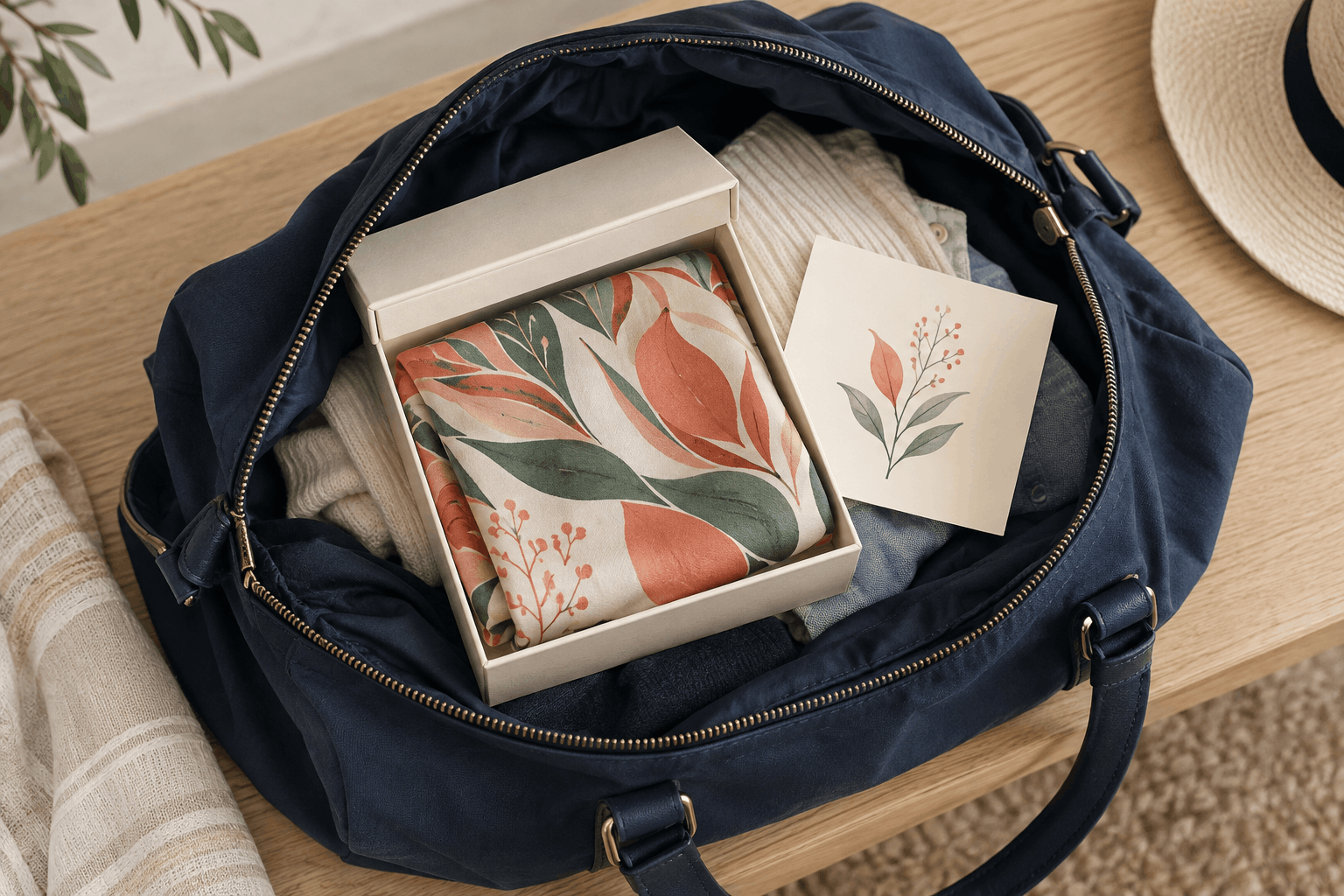
Test the packed dimensions as well as the product itself. A compact scarf may be easy to carry until it is placed in an unnecessarily large box. Prints need protection from bending, while fragile objects need packing appropriate to their journey.
Where delivery is available, explain the destination coverage, cost and expected timing clearly. Do not make visitors guess whether the shop can send a larger purchase home.
7. Balance Retail Value With Inventory Commitments
For the buying team, a promising product also needs workable commercial terms. Compare the complete acquisition cost, including development, packaging, freight and any agreed royalties or other charges.
Confirm minimum quantities by design and colourway, reorder lead times and what happens if a product arrives below the agreed standard. A low unit price is less useful if it requires more stock than the shop can realistically sell.
Separate merchandise for a temporary exhibition from designs with continuing collection relevance. Date-specific products need an end-of-exhibition plan; a design intended for ongoing sale needs dependable replenishment.
If a scarf collection is being considered, clarify custom scarf minimum order requirements before expanding the range into several sizes or palettes.
8. Test, Listen and Refine
Where supplier terms allow, start with a focused assortment and agree on a review period. Track sales against available stock, margin after discounts, returns and recurring visitor questions. Compare results with the product’s display position and time on sale in mind.
Sales show what visitors bought; they do not establish how long those products were kept. Voluntary customer feedback, reviews and later accounts of use can add context, although they may not represent every buyer.
Listen for practical friction. Visitors may love the artwork but hesitate over size, care, packaging or price. Those observations can guide a useful revision without replacing the whole concept.
A Short Buying Checklist
- Can we explain why this product belongs in this museum?
- Does it have a clear use or lasting emotional appeal?
- Have we checked a representative physical sample?
- Does its price suit a defined part of our audience?
- Are the source, credits and care instructions clear?
- Can visitors carry or receive it conveniently?
- Do the order quantity and replenishment terms fit our plans?
Frequently Asked Questions
What makes good museum gift shop merchandise?
A clear relationship to the museum, thoughtful design, appropriate quality and a reason to use, display or treasure the item after the visit.
Are silk scarves suitable for museum shops?
They can be, when the artwork translates well into fabric and the size, care requirements and retail price suit the intended visitor. Review a physical sample and consider the scarf’s role within the wider range.
Should every product be exclusive to the museum?
Exclusivity can add distinction, but it is not essential to every item. An assortment can combine relevant books and maker products with selected exclusive designs, provided each connection is clear.
Explore a Scarf Collection With a Clear Story
Explore Lanting Loom’s page for museums and cultural institutions to begin a conversation about silk scarves and meaningful presentation. Share the collection reference, intended visitor, target retail price, quantity and launch date to discuss an appropriate project scope.
