


A donor may remember a museum through a painting they return to, a school visit they helped make possible or a collection their family has cared about for years. A recognition gift becomes meaningful when it connects with that relationship.
The best museum donor gifts reflect the institution’s purpose, acknowledge the supporter personally and offer something they will enjoy keeping. An artwork-inspired silk scarf, a thoughtfully selected publication or a small design object can each be appropriate. The choice depends on the donor’s interests, the reason for the recognition and the museum’s resources.
Start with the connection you want to acknowledge. The object can follow.
Three donor relationships, three different starting points
A single gift may suit a whole recognition program, but the reason for giving it should still feel specific. Consider these illustrative situations before choosing a product.
The supporter who cares about a particular collection
Someone who has supported a textile collection may appreciate a scarf that thoughtfully interprets a detail from it. A donor interested in photography might prefer an exhibition publication. Here, the strongest connection is to the subject itself: choose something that respects the depth of their interest.
The donor who supports access and learning
For a supporter of school visits or community programs, an object alone may say very little about what matters to them. Pair any gift with a clear, accurate account of the work their support helped enable. A short letter from the learning team may carry more significance than an elaborate presentation box.
The long-standing friend of the museum
A milestone offers an opportunity to recognize continuity. A design connected to the building, garden or a memorable exhibition could acknowledge years of involvement. Check what the donor has received before, and refer to their actual relationship with the institution rather than relying on a generic anniversary message.
These situations point toward different choices. They also show why donor recognition should begin with what your team knows about the person, not simply the amount recorded beside their name.
Let the collection provide a connection worth explaining
A museum has sources of meaning that a generic gift supplier cannot invent: an archive, a place, a curatorial idea or an object with a documented history. That connection can make a recognition gift feel particular to the institution.
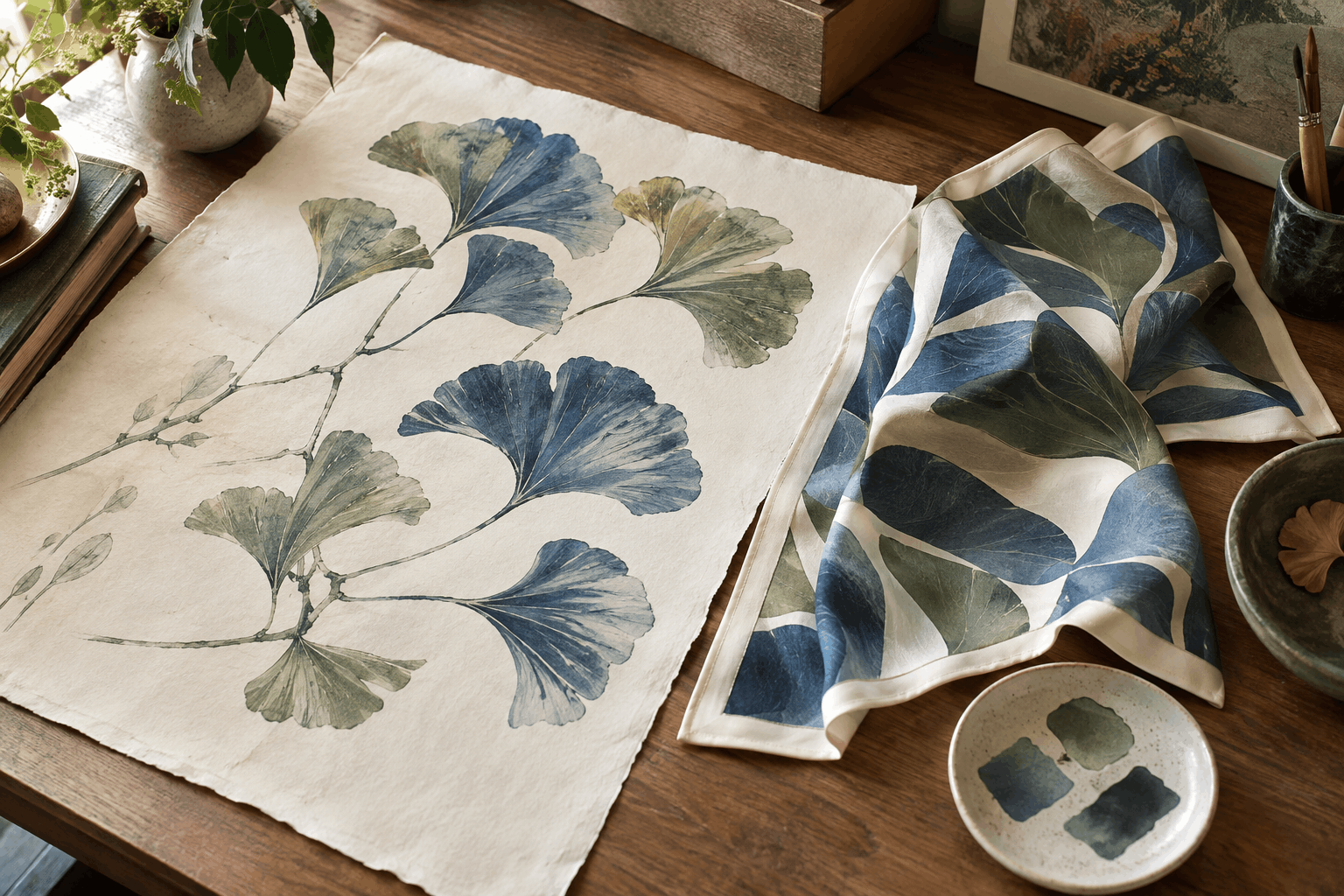
The translation into a usable object still requires judgment. On a silk scarf, a painting’s composition may need to become a rhythm of color and shape. A botanical study might inspire an original pattern. The finished design should remain attractive when folded or worn, while the accompanying story identifies the source and explains the interpretation.
Ask the appropriate museum colleagues to review the proposed imagery, adaptation and credit line before committing to production. Agree which source materials can be used and what context should accompany them. Sensitive subjects deserve particular care in deciding whether they belong on a gift at all.
For a closer look at that process, read how museum collections can become wearable art.
Choose an object with a life beyond the presentation
The best format is one the recipient has a reason to use, display or revisit. A gift does not need to be bespoke to feel considered, and a donor’s interest in art does not automatically mean they want another decorative object.
| Gift format | When it may fit | What to consider |
|---|---|---|
| Artwork-inspired silk scarf | A donor who enjoys textiles, fashion or wearable design | Color preferences, dimensions, fabric, finishing and the design in folds |
| Exhibition or collection publication | A supporter with a strong interest in the subject | Whether they already own it, readability and the weight if traveling |
| Small design object or art reproduction | Someone who enjoys keeping a visible connection to the museum | Display space, fragility, source information and suitability for their home |
| Personal acknowledgment without a physical gift | A donor who prefers fewer possessions | A thoughtful letter, relevant update or an appropriate invitation they would welcome |
If a scarf is suitable, assess it as something to wear. Check the feel of the fabric, clarity of the print, neatness of the edges and proportions. A beautiful image laid flat is only part of the decision. See how the colors appear when the scarf is loosely draped or tied.
A curated gift set needs the same scrutiny. Each additional item should have a purpose for the recipient. A larger box is not a substitute for a better choice.

How much should a museum spend on donor gifts?
There is no single appropriate budget for every institution or donor program. Set a proportionate amount within the museum’s approved recognition approach, considering the occasion and the complete cost of delivering the gift.
Compare design work, samples, individual items, presentation, message cards and distribution together. For a small group, an existing design with a personal letter may be more practical than commissioning an original product. A larger, recurring program may justify exploring a bespoke design, provided the quantities and intended use support it.
Keep recognition promised through membership or donor programs clear and consistent. A discretionary thank-you should fit alongside those commitments. Confirm internally how the proposed item will be recorded and handled before ordering.
The gift should feel like a considered use of resources. If the packaging appears more important than the museum’s purpose, simplify it.
Make recognition personal, with room for privacy
The Donor Bill of Rights, published by the Association of Fundraising Professionals, identifies suitable recognition and respectful handling of donor information as important expectations. For a museum gift, those principles have practical implications: check how the recipient wishes to be acknowledged and avoid assuming that public visibility is welcome.
Confirm preferred names and any household or organizational attribution. Ask before engraving a personal name, arranging a public presentation or including the donor in photographs. Someone who gives anonymously may still appreciate a private message, handled discreetly.
A useful acknowledgment can combine three elements:
- The contribution: identify the support or relationship you are recognizing.
- The connection: explain why this particular design or object was chosen.
- The thanks: express appreciation without immediately turning the message into another request.
For a hypothetical botanical exhibition, a note might explain that the scarf’s leaf forms were inspired by the exhibition’s study of plants, then thank the donor for supporting the associated learning program. Keep the design story and the account of impact accurate. Avoid suggesting that one donation alone funded work supported by many people.
Choose a delivery moment that suits the relationship
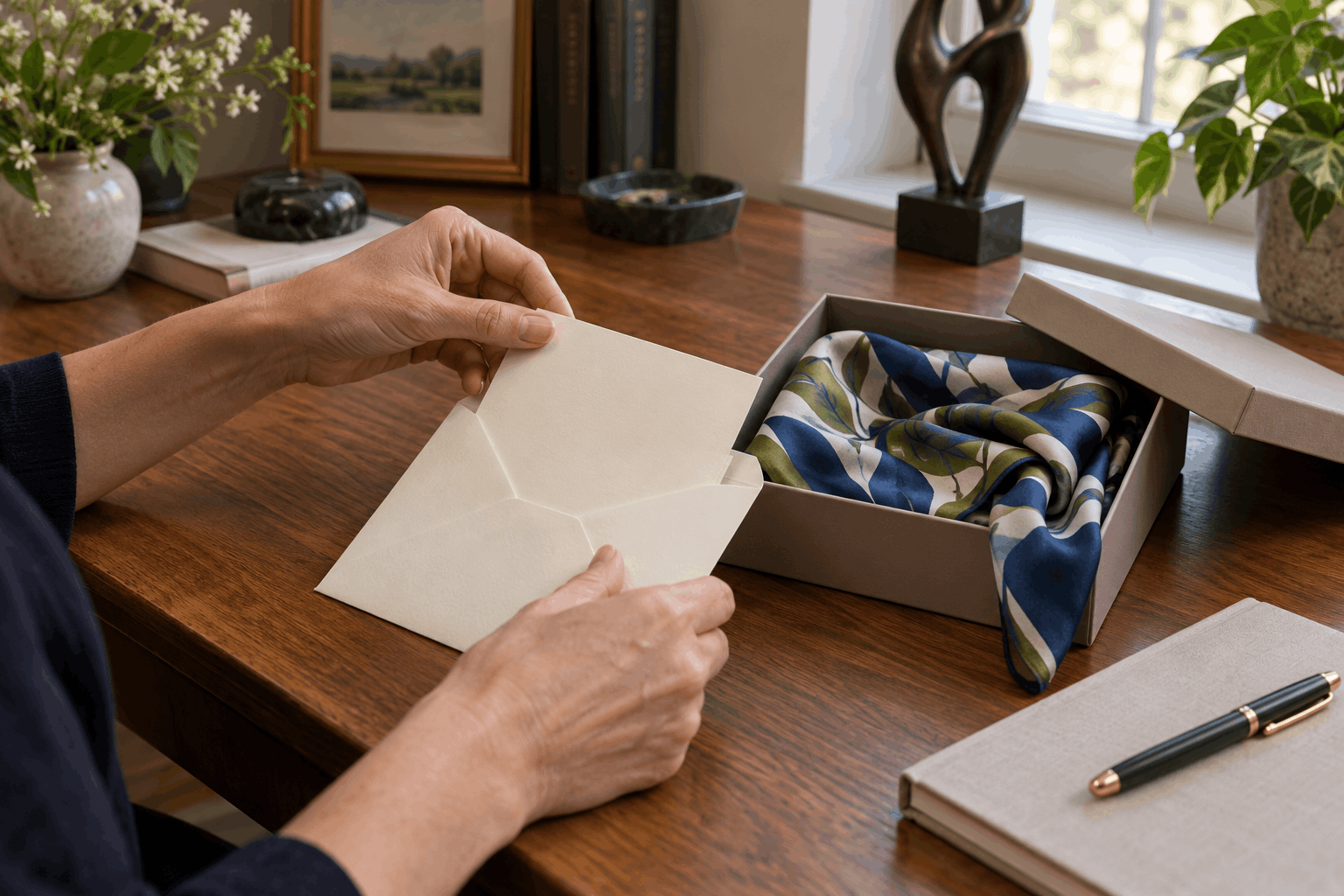
A quiet meeting, a small exhibition preview or a carefully arranged delivery can each suit donor recognition. Let the recipient’s preferences guide the occasion. Attendance at a public event should not be the only way to receive a personal thank-you.
For gifts sent to a home or office, confirm the address and timing. For an event handover, consider how easily the package can be carried away. Keep the presentation protective, tidy and straightforward to open.
Record what was offered, what was accepted and any preference the donor has shared. These details help the next acknowledgment feel attentive and avoid sending the same object repeatedly.
Planning a museum recognition gift with Lanting Loom
Lanting Loom’s corporate and institutional gifting options include existing scarves and gift sets, adapted presentation where feasible, and bespoke scarf projects. For an institution considering wearable art, the appropriate route depends on the design, quantity, timing and presentation required.
Explore silk scarves and cultural gifts for museums with a brief that describes the recognition occasion, recipients, source inspiration, approximate quantity, budget and delivery date. Include the colleagues who will review the design and its story.
A meaningful donor gift gives the supporter a personal connection to something they already value. Choose an object worthy of that connection, and make the acknowledgment worthy of the person.
