

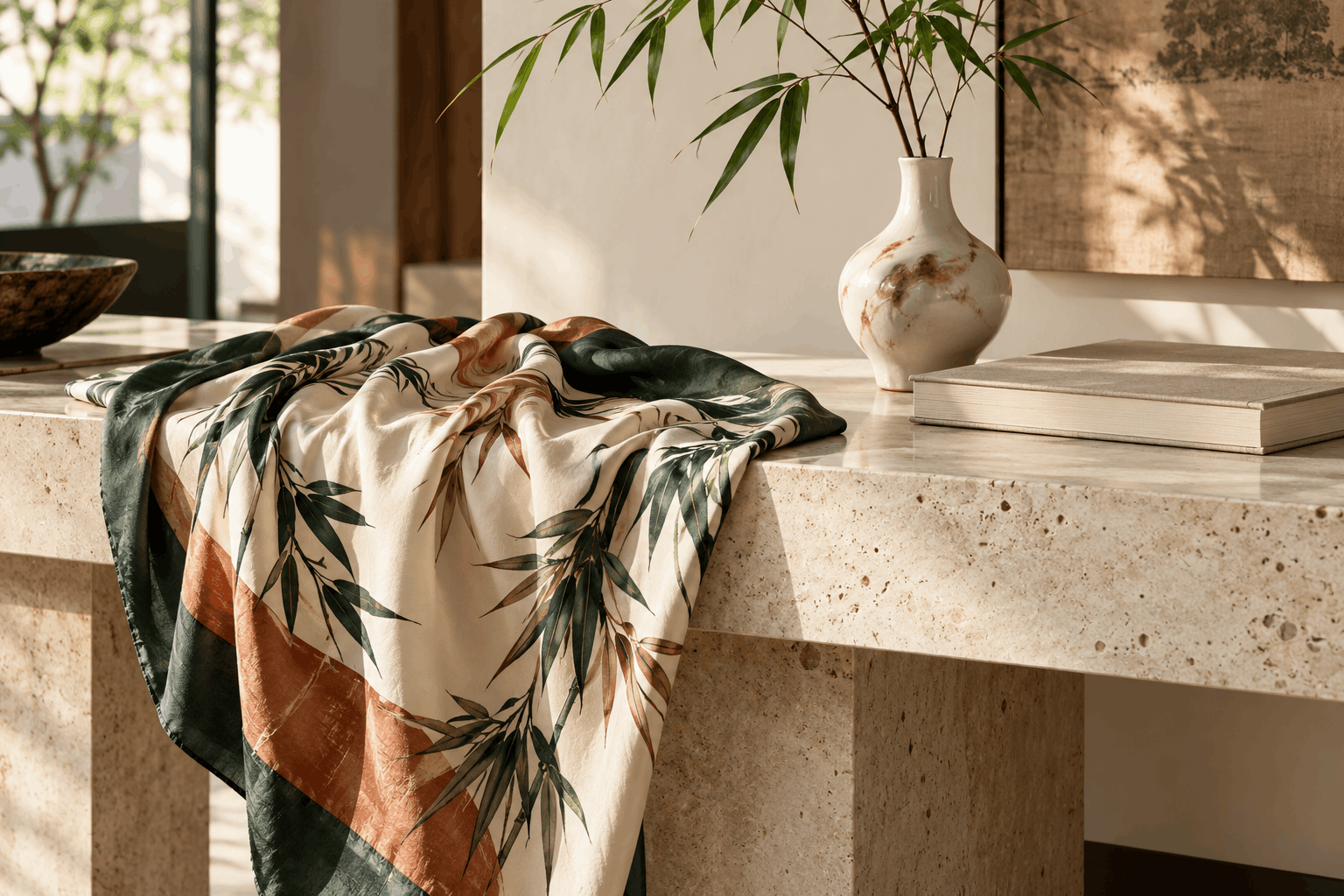
A gift inspired by Chinese art can offer several kinds of pleasure at once: a beautiful object, a cultural connection and a story that becomes part of the relationship between giver and recipient. The challenge is choosing something where those qualities belong together.
When considering luxury gifts inspired by Chinese art and culture, look for a clear artistic reference, thoughtful interpretation, well-specified materials and a form the recipient will enjoy. An elaborate box or an evocative product name can introduce a gift, but the object should reward attention after that first impression.
This guide explains how to assess the connection between inspiration and execution, compare different kinds of gifts and choose a piece that feels personal.
Start with the Person, Then Explore the Cultural Connection
Before comparing motifs or materials, think about how the recipient encounters beauty. Do they notice the composition of a painting, the glaze on a cup, the movement of a scarf or the proportions of a room? Their habits offer a more useful starting point than the broad label “art lover.”
Someone who visits exhibitions may appreciate a clearly explained artistic reference. A friend who experiments with clothing may enjoy a textile that changes character when folded or tied. A person who treasures a quiet morning ritual may prefer one well-made cup to a decorative object that needs shelf space.
Write down three things before browsing: a colour they often choose, an object they use with pleasure and an interest you have shared. These details make it easier to recognise a gift that belongs in their life.
For a closer look at different recipient preferences, see our guide to Chinese art gifts for collectors and design lovers.
Look for an Artistic Reference You Can Actually Understand
“Inspired by Chinese culture” covers an enormous range of possibilities. A stronger description tells you what informed the design: a particular landscape, a garden, a painting tradition, a ceramic form, a literary passage or the work of a named contemporary artist.
The explanation need not be academic. A few precise sentences can be enough. What matters is that you can connect the story to something visible in the object.
- For a landscape reference: look at how the design handles distance, rhythm, atmosphere and open space.
- For a botanical reference: consider the choice of plant, the movement of its branches and its relationship to the overall composition.
- For a calligraphic reference: look for an explanation of the text or the expressive qualities of the brushwork.
- For an architectural reference: notice whether proportion, framing or repeated shapes inform the design.
A useful test is to finish this sentence: “The designer drew on ___, and you can see that in ___.” If the product description gives you enough information to do that, its story is easier to share with the recipient.
Treat symbolism as context, not a fixed dictionary
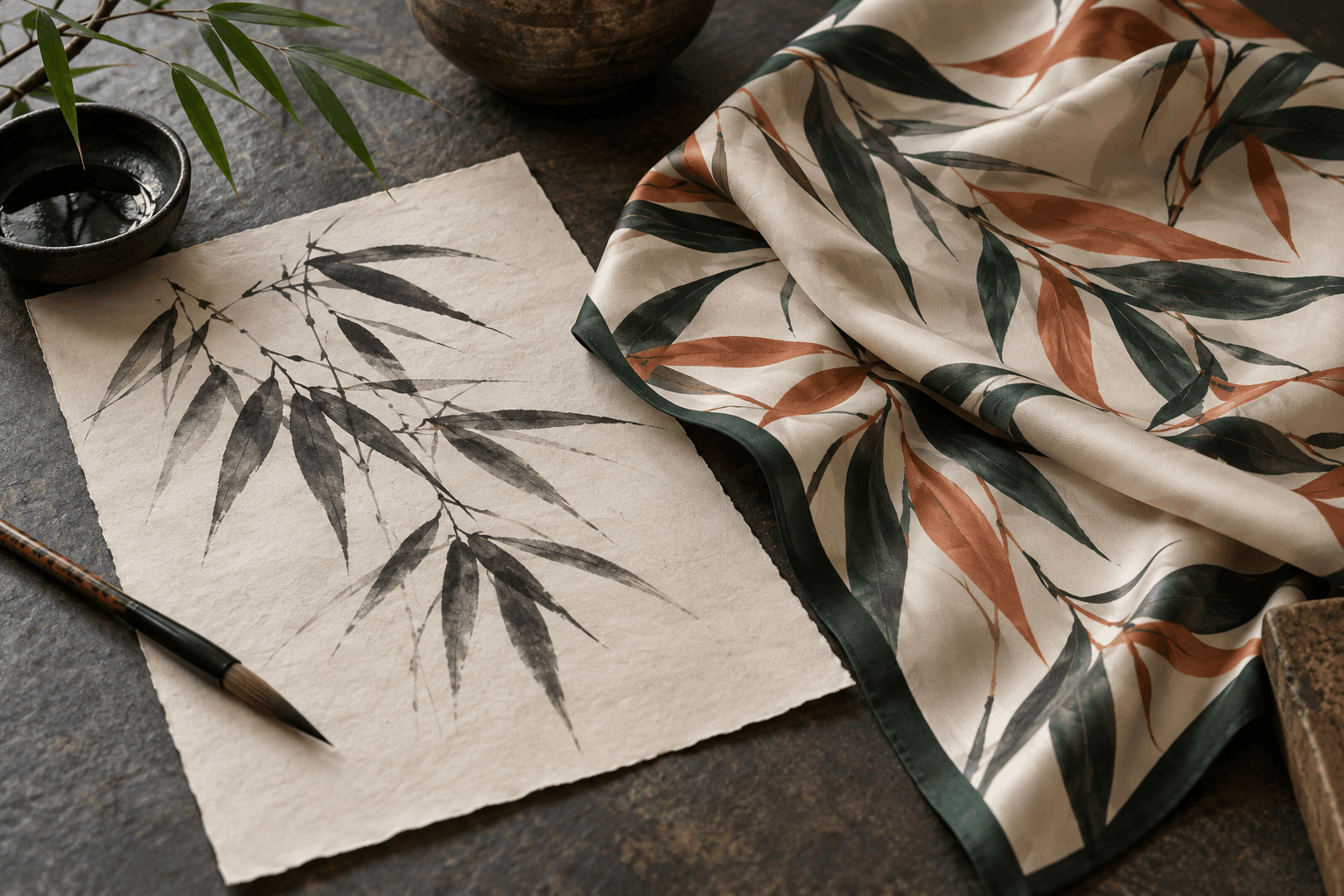
Natural subjects can carry cultural associations, but their meaning depends on context. The Metropolitan Museum of Art’s exhibition Noble Virtues: Nature as Symbol in Chinese Art explains how plants and animals can draw meaning from poetry, history and cultural memory. Bamboo, for example, can evoke endurance through its ability to bend without breaking.
That gives you a thoughtful starting point for a gift message. It does not mean every bamboo design expresses exactly the same idea. Prefer the maker’s explanation of the specific piece, and add your own personal connection without presenting it as a universal tradition.
Understand What Kind of Cultural Connection You Are Buying
A contemporary interpretation, an art reproduction and an object made using a traditional technique can all make rewarding gifts. They offer different experiences, so the description should make the relationship clear.
| Type of gift | What to look for | A useful question |
|---|---|---|
| Contemporary interpretation | An original composition with an explained cultural or artistic reference. | How has the designer developed the source into this object? |
| Art reproduction | Identification of the original work and clear information about the reproduction. | What is being reproduced, and how is the image adapted? |
| Artist collaboration | A named artist and a specific description of their involvement. | Did the artist create the design, adapt an existing work or contribute in another way? |
| Traditional craft object | Relevant details about the maker, technique and place of production. | Which parts of the object use the stated technique? |
| Original artwork or edition | Artist, medium, dimensions and appropriate documentation. | What exactly is included, and how is the work identified? |
Keep these distinctions in mind when comparing prices. A printed textile inspired by brush painting should be assessed as a designed textile. An original ink painting calls for a different set of questions about the artist, work and documentation.
Likewise, a Chinese artistic reference does not by itself establish where an object was made. If origin or a particular craft process matters to your choice, look for that information separately.
Judge How Well the Reference Becomes a Usable Object
Good interpretation takes account of the object’s shape and purpose. A composition that works on a flat page may need to change when it moves onto a scarf, a curved vessel or a small accessory.
For a scarf, examine both the full design and photographs showing it folded or worn. A large central image may almost disappear when tied; a considered border or repeated detail may become more prominent. For a vessel, look at how the decoration moves around the form and whether the proportions appeal from different angles.
Ask yourself whether you would still like the object before hearing its story. Then ask whether the story deepens that interest. A strong gift can satisfy both questions.
This is also a helpful way to assess contemporary Chinese luxury gifts: concentrate on composition, proportion and everyday appeal as well as the cultural reference.
Read Material and Craft Details Closely
Luxury becomes easier to evaluate when a description moves from adjectives to specifics. “Beautiful silk” tells you less than a clear fibre composition, dimensions, fabric type, edge finish and care guidance. “Handcrafted ceramic” becomes more informative when the seller explains the process and intended use.
The relevant details depend on the category:
- Silk accessories: check fibre composition, size, drape, finish and care requirements. Consider whether the recipient prefers a small accent or a generous scarf.
- Ceramics: check dimensions, weight where available, surface details and whether the piece is intended for display or practical use. For cups and serving pieces, look for explicit use and care information.
- Prints: check the printing method, paper, image and sheet dimensions, framing status and any edition information.
- Decorative objects: check the actual material, construction, underside and measurements rather than relying on a styled room photograph.
Close-up photographs should help answer practical questions. Can you see the scarf’s edge, the vessel’s base or the print’s surface? If an important detail remains unclear, a specific question to the seller is more useful than trying to infer quality from the price.
Our guides to Chinese silk gifts and what makes a Chinese gift feel luxurious explore these material considerations further.
Choose a Gift Category That Fits Their Life
Silk for someone who enjoys wearing colour and art
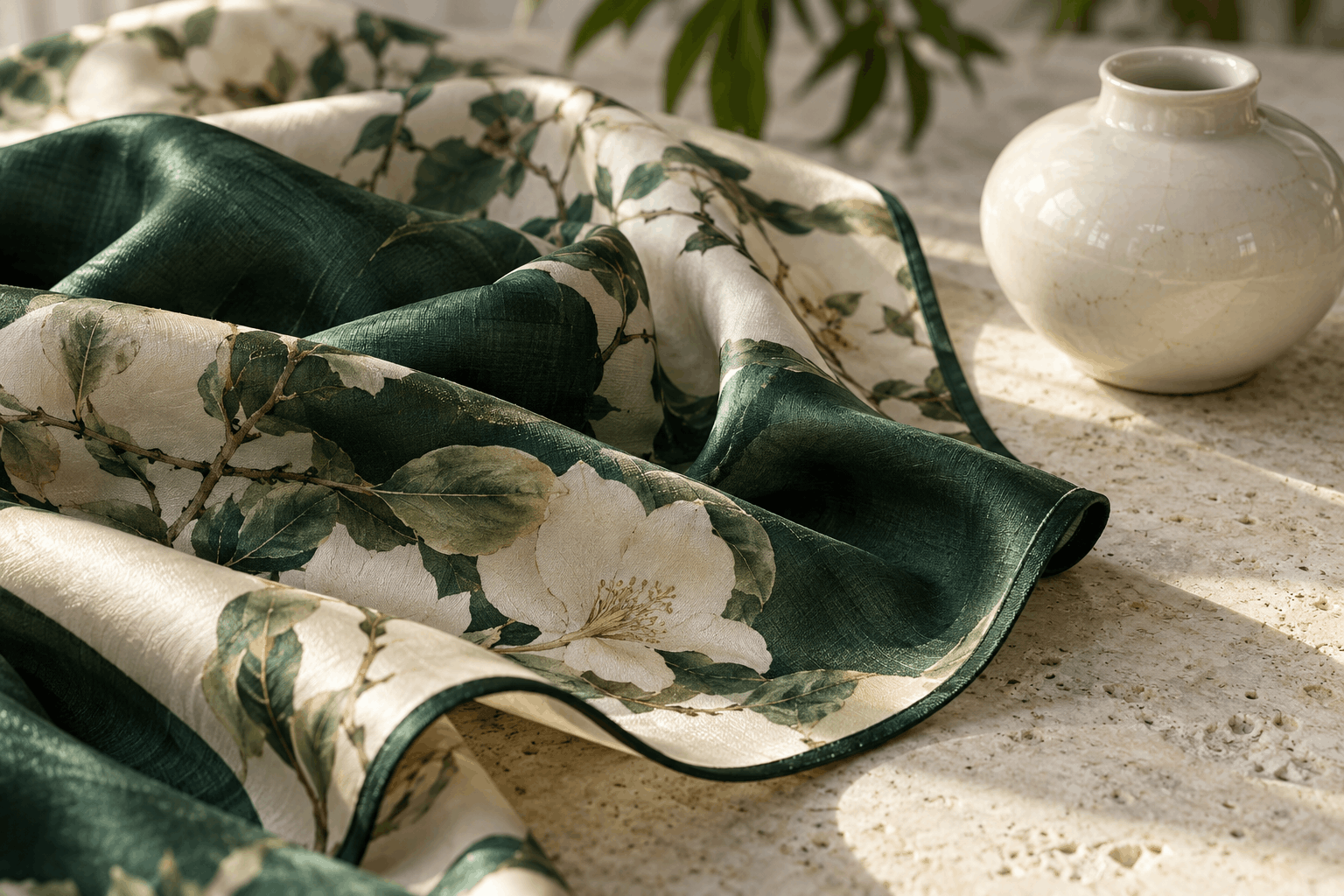
A silk scarf offers a way to bring an artistic composition into everyday dressing. Start with the recipient’s existing wardrobe: a familiar colour can make an unfamiliar pattern easier to adopt. Pay attention to scale, too. Someone who wears compact neck scarves may have little use for a large wrap, however beautiful its design.
Think about movement and versatility. The gift should be appealing in the forms they are likely to wear, with a story they can enjoy discovering over time.
Ceramics for someone who notices shape and ritual
A cup, small vessel or sculptural piece may suit someone who enjoys arranging objects or making time for tea. Choose with their space in mind. A single expressive object can work well where a larger set would feel crowded.
If practical use is central to the gift, confirm that use explicitly. A decorative vessel and a daily drinking cup can look equally appealing in photographs while serving very different purposes.
Art and editions for someone with a clear collecting interest
When the recipient already collects, their preferences may be quite specific. Notice the artists, media and periods that interest them. For a significant purchase, involving them in the selection can become part of the gift.
If their preferences are less familiar to you, a well-chosen exhibition catalogue or a smaller design object connected to a shared museum visit may offer a more personal starting point.
A small set for someone who enjoys connected details
A set works best when the objects share a purpose. A scarf and a short design note can feel complete. A pair of cups can support a ritual of sharing tea. Adding more items only helps if each contributes to the experience.
For guidance on building a coherent pairing, read how to choose personal luxury Chinese gift sets.
Compare the Complete Gift, Not Just the Main Object
Before making a final choice, consider what the recipient will receive and what they will need to do next. A print may need framing. A delicate object may require particular care. A large scarf may be easier to enjoy with simple styling guidance.
Check the product contents, delivery estimate, return terms and any additional costs relevant to your order. If the gift travels directly to the recipient, confirm the available message option and how pricing information is handled.
Presentation should make the object easy to discover and understand. Protective packaging, a concise design story and useful care instructions each have a role. At Lanting Loom, consult the specific product page and gift services information to confirm what is included and which options are available for your chosen piece.
Make the Cultural Story Personal
A gift note does not need to explain an entire artistic tradition. Choose one relevant detail and connect it to the recipient.
For a garden-inspired textile, you might write:
“The flowing branches reminded me of our afternoon in the gardens. I chose these greens because you wear them so beautifully.”
For a ceramic piece, the message could be simpler:
“I loved the quiet shape of this piece and thought of the corner where you have your morning tea.”
These messages explain your choice without assigning the recipient a lesson to learn. If the maker provides a longer story, include it separately so they can explore it at their own pace.
A Five-Question Check Before You Choose
- Can I explain the artistic connection? Look for a specific source or clearly described inspiration.
- Does the design work in its intended form? Consider how it looks when worn, held, displayed or used.
- Do the materials and finish support the price? Read specifications and examine useful detail photographs.
- Can I picture this person enjoying it? Think of a real outfit, room or ritual.
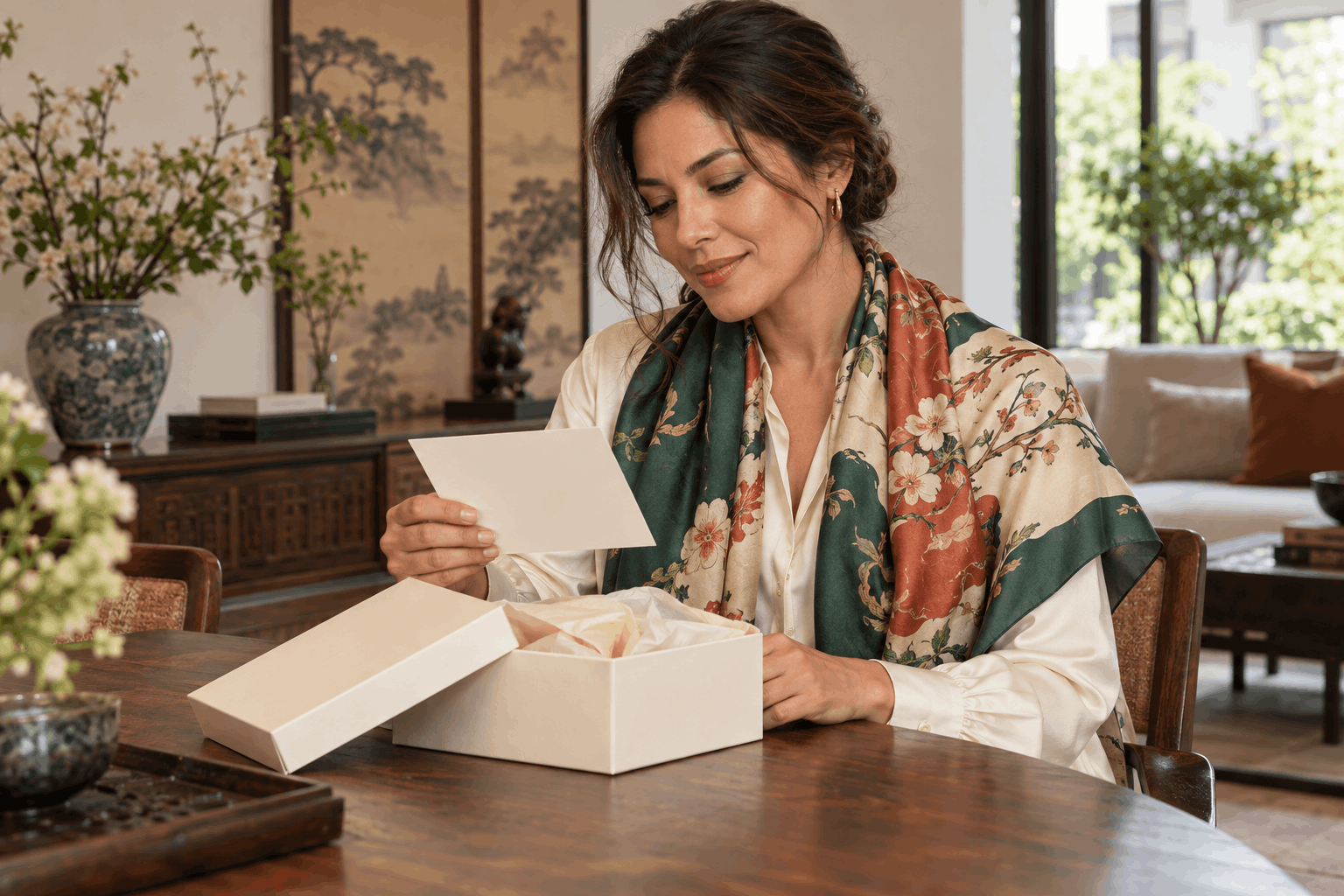
- Is the gift complete on arrival? Confirm contents, presentation and any practical next steps.
If two pieces seem equally appealing, choose the one whose connection to the recipient you can explain most naturally. That connection often gives the gift its lasting significance.
Frequently Asked Questions
Does a gift inspired by Chinese art have to look traditional?
No. A contemporary design can explore a cultural reference through colour, line, proportion or composition. Look for an explanation of that relationship and judge the finished object on its own design merits.
Is a cultural story enough to make a gift luxurious?
A story adds depth, but materials, finish, function and personal fit also matter. The most convincing choice brings those qualities together, with enough product information to help you assess them.
How can I tell whether something is handmade?
Look for a specific account of the process and which stages are completed by hand. The term can cover different kinds of work. Ask about the particular technique if it is an important reason for buying the piece.
Can I give a Chinese art-inspired gift to someone unfamiliar with Chinese culture?
Yes. Begin with their taste and include a short, accessible explanation of the design. They can appreciate the object immediately and explore its cultural connection as their interest grows.
What should I choose when I do not know their collecting preferences?
Choose something connected to a known habit or shared experience, or involve them in the selection. A wearable accessory, useful object or thoughtfully chosen book can be easier to personalise than an artwork intended for permanent display.
Choose a Piece with a Story Worth Sharing
A rewarding gift offers something to enjoy immediately and something to return to: a pleasing texture, a considered detail, an artistic reference or the memory behind your choice.
Explore Lanting Loom’s design stories to learn about the ideas behind its approach, then browse the collection with the recipient’s colours, habits and interests in mind. Let those personal details guide you towards a gift they will make their own.
