


A porcelain tea bowl with a familiar floral pattern and a silk scarf with an abstract landscape can both make beautiful Chinese gifts. One may feel immediately connected to tradition; the other may bring a cultural reference into the recipient’s everyday wardrobe. Which makes the better luxury present?
Choose a traditional Chinese gift when the recipient values a particular custom, craft or familiar form. Choose a contemporary Chinese gift when its design better suits how they dress, live or collect. For either choice, luxury depends on the quality of the actual piece and the thought behind your selection.
The most useful comparison is therefore personal. A gift should feel considered when it is opened and rewarding to own afterwards. This guide helps you decide which direction best fits the person and the occasion.
What Do Traditional and Contemporary Mean in Gift Buying?
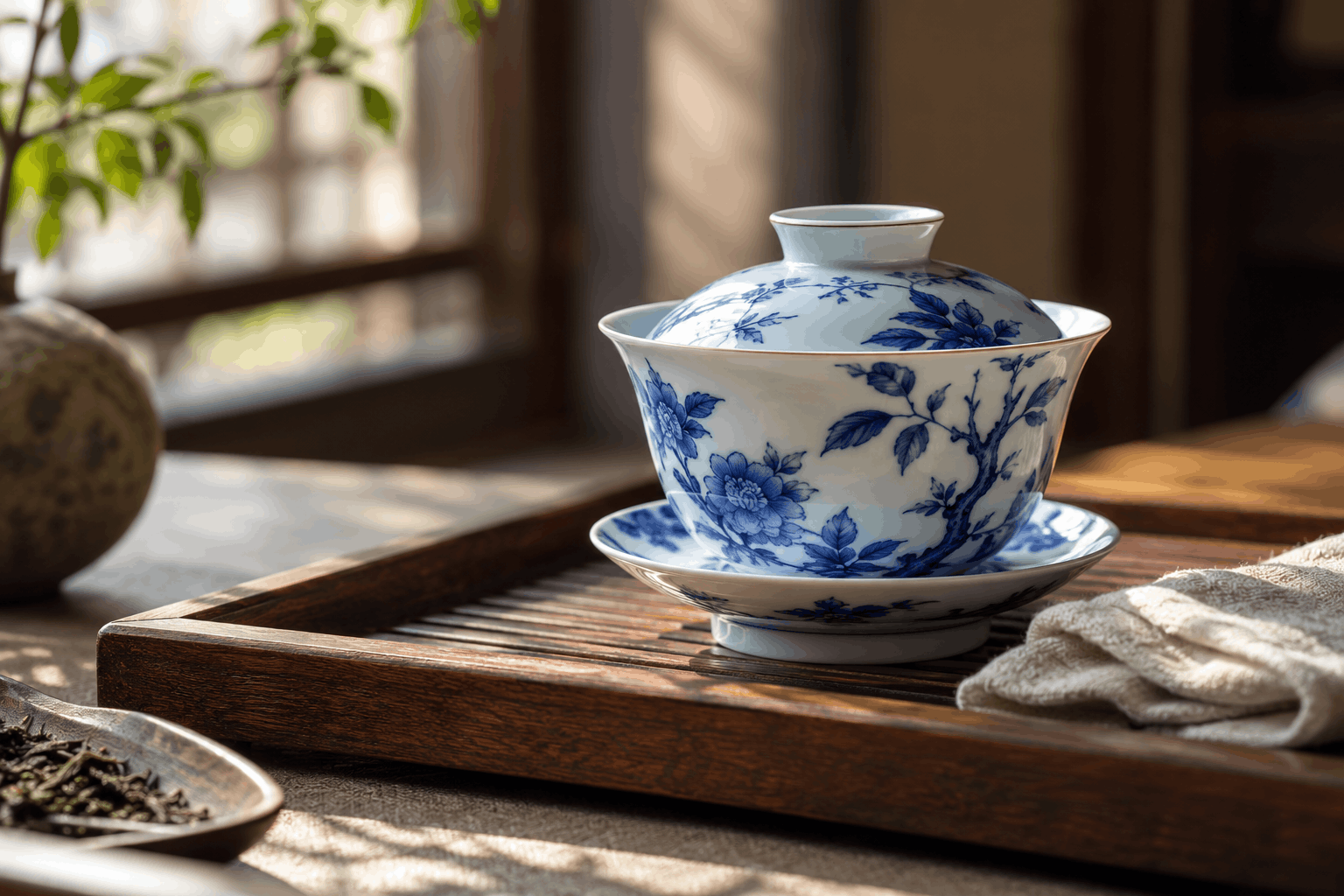
For this comparison, traditional Chinese gifts are objects that visibly continue established forms, decorative approaches or practices. Examples might include a classically decorated porcelain vessel, an embroidered textile or a calligraphy piece. These are broad examples, not a single style shared across every region or period.
Contemporary Chinese gifts use a present-day design approach. They may reinterpret cultural references through a new composition, colour palette, scale or function. A landscape-inspired silk accessory or an experimental ceramic form can belong in this category.
The two overlap. An object made today can follow a traditional form. A contemporary design can involve a longstanding craft technique. A restrained shape can be traditional, while a richly patterned piece can be contemporary.
The V&A’s Dimensions: Contemporary Chinese Studio Crafts explores innovations growing from China’s longstanding craft traditions. It offers a useful reminder that continuity and invention can exist within the same practice.
Separate appearance, making and meaning
When considering a gift, ask three different questions:
- Appearance: does the design follow an established visual approach or interpret it in a new way?
- Making: what materials and processes were actually used?
- Meaning: what connects the piece to a cultural reference, the occasion or the recipient?
A traditional-looking pattern does not establish that a piece was made by hand. A contemporary silhouette does not tell you that its cultural story is shallow. Read the product’s own description before drawing conclusions about either.
Traditional vs Contemporary Chinese Gifts at a Glance
| Consideration | Traditional direction | Contemporary direction |
|---|---|---|
| Recipient’s interest | A specific craft, established form, familiar motif or personal tradition. | Current design, new interpretations or objects that fit an existing wardrobe or home. |
| Cultural connection | May be readily recognisable to someone familiar with the reference. | May emerge through composition, materials or a short design story. |
| Everyday use | Can support a valued ritual or become a treasured display piece. | Can bring a cultural reference into familiar routines through a suitable format. |
| What to check | The specific maker, technique, materials and intended use. | The design’s originality, execution, material quality and explanation of its inspiration. |
| Possible mismatch | Choosing a recognisable cultural object without checking whether the recipient wants it. | Choosing an appealing style whose cultural connection is vague or unimportant to the recipient. |
| Strong reason to choose it | “This relates to something you already value.” | “This brings something meaningful into a form you will enjoy.” |
When a Traditional Chinese Gift Is the Better Choice
The recipient already values a particular practice
If someone enjoys preparing tea with specific utensils, admires embroidery or collects a particular kind of ceramic, a gift connected to that interest can show careful attention. The strength of the choice comes from understanding the practice well enough to choose a relevant piece.
For example, a tea enthusiast may have preferences about a vessel’s size, shape and handling. Find out what they use before choosing a complete set. One well-chosen addition may bring more pleasure than several objects that duplicate what they already own.
A familiar form carries personal significance
A traditional design may recall a family home, a shared journey or an object the recipient has admired for years. In that situation, familiarity is part of the gift’s value.
You do not need to select the most ornate version. Look for the details that matter to this person: perhaps the proportions of a bowl, the character of a floral pattern or the texture of a textile. A clear connection makes the choice feel specific.
The occasion includes a known custom
If the recipient or host has mentioned a particular family or ceremonial expectation, let that guide the choice. A gift selected for its role in a shared custom may call for a familiar format.
Where expectations are unclear, a discreet question is more useful than guessing from someone’s age or background. Families and individuals differ in how they celebrate. Our Chinese New Year gift guide offers a broader starting point for seasonal giving.
When a Contemporary Chinese Gift Is the Better Choice
You know how it will fit their everyday style
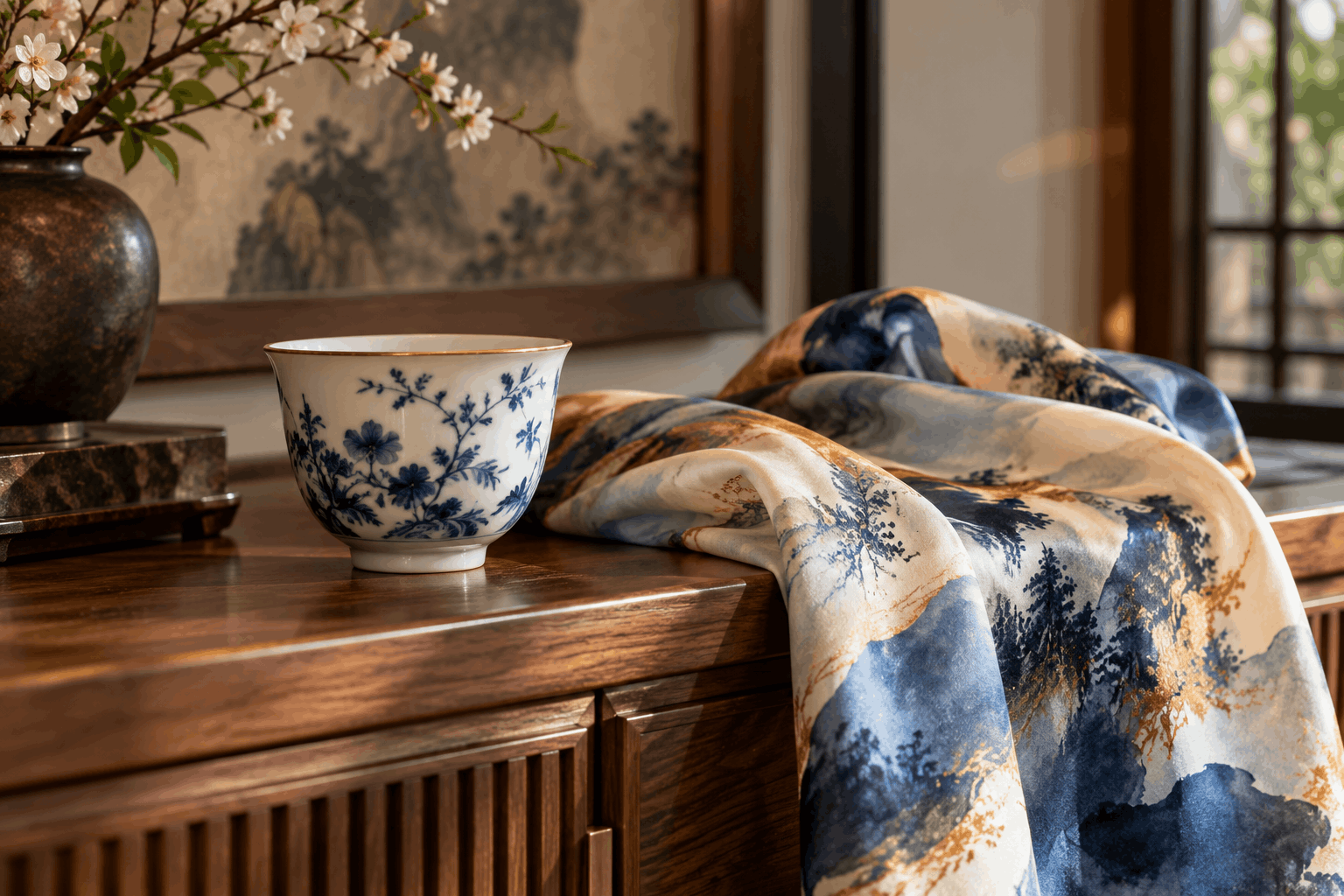
A contemporary interpretation can be a strong choice when you can picture the recipient wearing or using it. An artistic scarf in colours they already love has a clear place in their wardrobe. A small sculptural vessel may suit a shelf they enjoy arranging.
This does not require a minimalist design. Someone who wears bold patterns may welcome a vivid, expressive piece. Contemporary appeal is about the relationship between the design and the person, rather than a prescribed neutral palette.
They enjoy discovering new design
For someone drawn to independent designers or new artistic interpretations, the designer’s decisions can become part of the pleasure. How was a landscape transformed into a textile composition? How does a ceramic form respond to the way it is held?
Look for a story that answers those questions in concrete terms. Our guide to luxury gifts inspired by Chinese art and culture explains how to assess that connection.
You want the gift to travel easily between settings
A wearable accessory can accompany its owner to work, dinner or a weekend away. A compact object can suit someone who moves often or has limited display space. These practical advantages depend on the particular format, so check dimensions and care needs.
If the recipient travels frequently, consider whether the gift is easy to pack and whether they will enjoy caring for it. A beautiful object earns a place in daily life when its demands suit its owner.
For more ideas, explore contemporary Chinese luxury gifts.
Which Feels More Luxurious?
Neither category automatically offers greater luxury. Compare the individual objects at the same level of detail.
Materials and finishing
Check the fibre composition and edge finish of a scarf, the surface and base of a ceramic piece, or the paper and presentation of a print. Look for useful close-ups and clear specifications. A familiar motif cannot compensate for disappointing execution, and a fresh design still needs to work as a physical object.
Time, skill and design judgement
Different objects require different kinds of expertise. Some may involve skilled handwork; others may depend on careful composition, colour development or precision in production. A good description explains the relevant work without relying entirely on phrases such as “heritage luxury” or “exclusive design.”
Where a particular technique matters to the purchase, ask which stages use it. Traditional styling and contemporary styling both deserve this level of scrutiny.
The pleasure of ownership
Imagine the gift a month after it is opened. Will the scarf be worn, the cup used or the artwork enjoyed? A decorative piece can be deeply rewarding when the recipient loves living with it. A practical gift can be equally meaningful when it makes a familiar moment more pleasurable.
For a fuller discussion, read what makes a Chinese gift feel luxurious.
Three Situations That Make the Decision Clearer
A birthday gift for someone who loves fashion and museums
Start with what they wear. If they enjoy expressive accessories, a contemporary silk design with an explained artistic reference may connect both interests. Choose a palette they use and a size they can style comfortably.
If they have repeatedly admired a particular traditional textile technique, that interest may point you in another direction. Their demonstrated preference should carry more weight than the category label.
A thank-you gift for an enthusiastic tea drinker
Ask how they prepare tea and what they enjoy using. Someone devoted to a particular vessel form may welcome a carefully selected traditional piece. Someone who enjoys trying new studio ceramics may prefer an individual contemporary cup.
For either, confirm practical suitability and care information. “Tea lover” is the beginning of the decision, not enough information to select every detail.
A housewarming gift for a couple
Look at their shared space. A traditional vase can sit beautifully in a modern room when they enjoy that combination. A contemporary object can complement a home filled with older furniture.
Choose a scale and colour relationship that makes sense for the room. If you know little about their interiors, a large display piece asks them to make a substantial commitment; a smaller gift or a choice made together may be more comfortable.
Can You Combine Traditional and Contemporary Elements?
Yes, and the combination can feel particularly personal when there is a clear connection between the pieces.
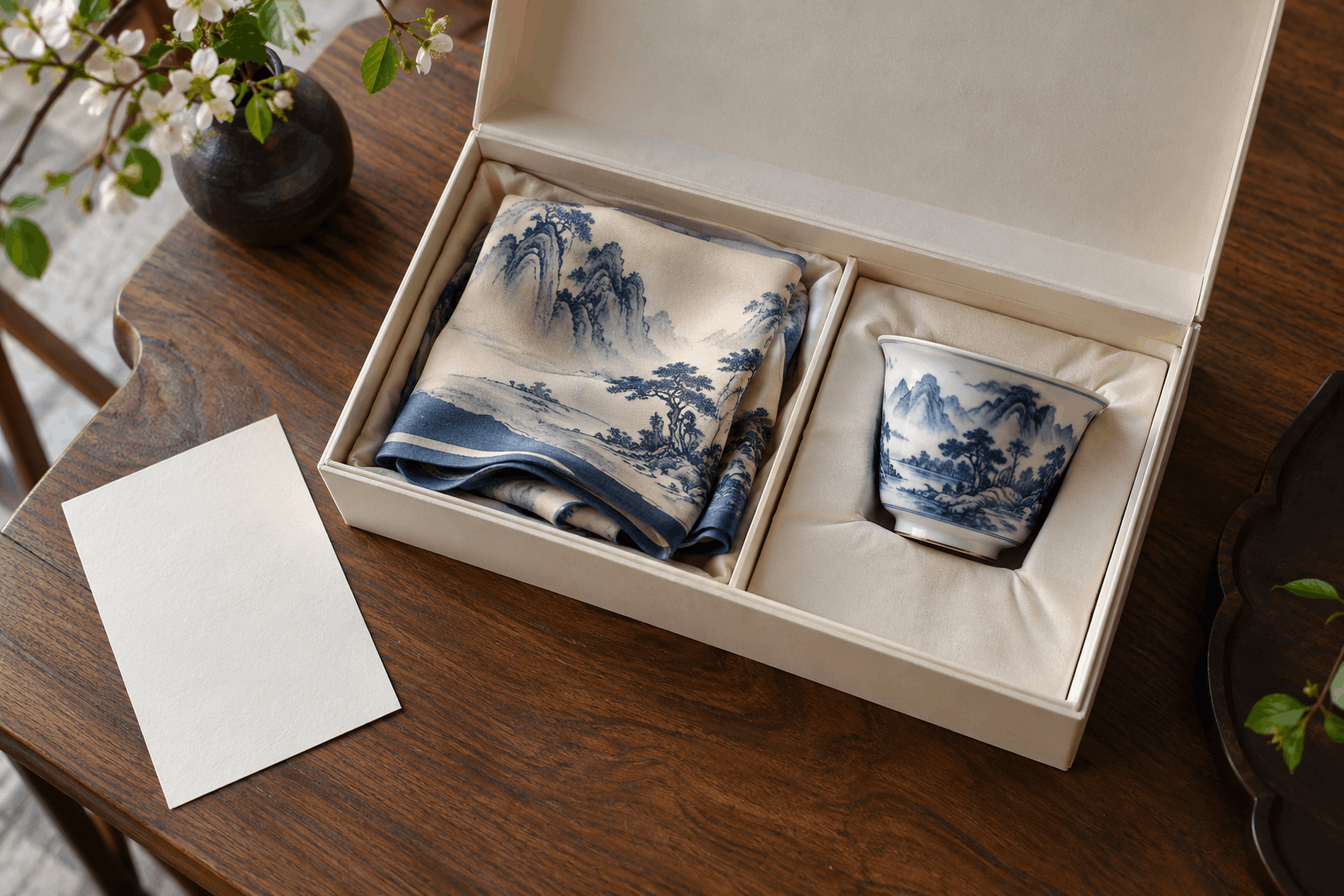
You might pair a contemporary landscape-inspired scarf with a traditionally shaped cup, bringing two interpretations of a shared colour palette into one gift. Another option is to choose a single object that combines a longstanding technique with a new composition.
Keep the pairing focused. Each piece should appeal in its own right, and the connection should be easy to explain. A set becomes more thoughtful through relevance rather than quantity.
The examples here are ideas for selection, rather than descriptions of a specific product bundle. For help assessing a set’s contents and coherence, see our guide to personal luxury Chinese gift sets.
Let Presentation Explain Your Choice
Presentation can connect the object to your intention. Include a short note about why you chose it, along with any maker information or care guidance that will help the recipient enjoy it.
For a gift connected to a familiar interest:
“I remembered how much you enjoyed looking at the porcelain collection together. This pattern brought that afternoon back to me.”
For a contemporary interpretation:
“The landscape design reminded me of our travels, and I thought these blues would look beautiful with your favourite jacket.”
At Lanting Loom, check the individual product page and gift services information for the presentation and personal-message options available with your chosen piece.
A Simple Way to Make the Final Choice
When you are deciding between two gifts, complete these three sentences for each:
- They will enjoy this because… Name a real preference, interest or shared memory.
- Its quality is clear in… Identify a material, finish, process or design detail you can verify.
- It will have a place in their life when… Picture a specific use or setting.
Choose the piece for which your answers are strongest. If the traditional option has a deeper personal connection, let that lead. If the contemporary option suits their life more naturally, that is a good reason to choose it.
Frequently Asked Questions
Are traditional Chinese gifts more authentic?
Authenticity depends on the claim being made. A piece may genuinely continue a particular technique, or it may be an original contemporary interpretation of a cultural reference. Look for accurate information about the design, maker and production. Appearance alone does not establish those facts.
Are contemporary Chinese gifts suitable for older recipients?
Yes, if the design suits their taste. Age does not reliably tell you whether someone prefers traditional or contemporary objects. Their wardrobe, home and stated interests provide better clues.
Can a traditional gift work in a modern home?
Yes. Consider scale, colour and how the recipient combines objects. A single traditional piece can have a strong presence in a contemporary space when it reflects the owner’s taste.
Is a silk scarf a traditional or contemporary Chinese gift?
It can be either, or combine qualities of both. Silk has a longstanding connection with Chinese culture, while the scarf’s composition, format and styling can take different directions. Assess the actual design and its documented story. Our Chinese silk gift guide explores that relationship.
Which is better for someone unfamiliar with Chinese culture?
Begin with something they already enjoy, whether that is clothing, tea, art or interiors. Either approach can be accessible with a brief, clear explanation. Familiarity with Chinese culture is not a prerequisite for appreciating a thoughtfully selected gift.
The Better Luxury Present Is the One Chosen for Them
Traditional Chinese gifts can offer continuity, familiarity and a connection to a valued practice. Contemporary Chinese gifts can offer discovery and new ways to enjoy cultural references. Both can carry craftsmanship, beauty and personal meaning.
Explore Lanting Loom’s design stories and silk collection with a particular person in mind. Their taste and the memory you want to share will help you find the right expression.
