

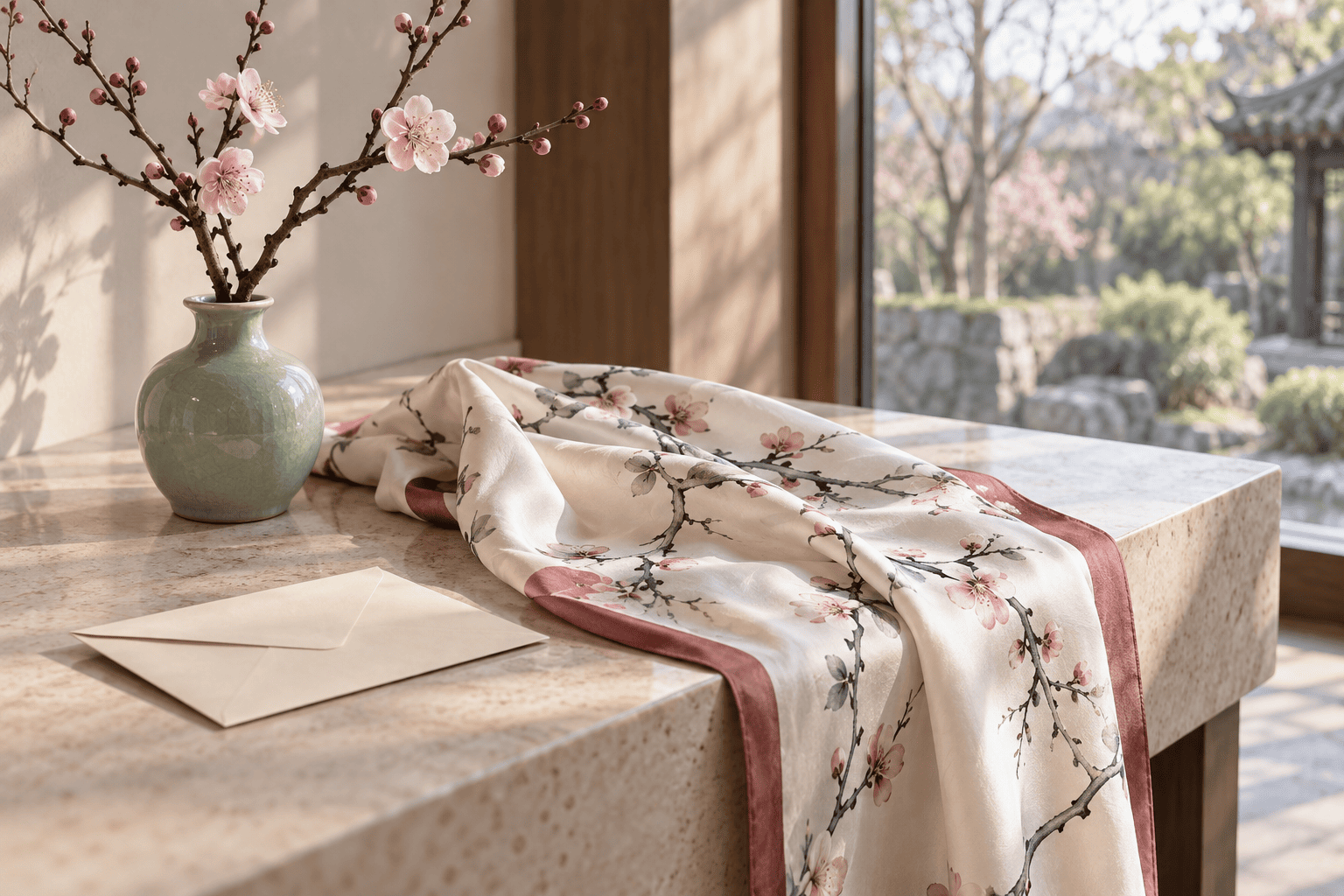
A graduation, a move, a new role or a change of direction can call for a gift that says more than congratulations. Chinese art offers a rich language of plants and seasonal imagery through which to express hope, encouragement and renewal.
Among Chinese symbols for new beginnings, plum blossom is especially fitting for hope as winter gives way to spring. Lotus carries associations with purity and Buddhist rebirth, narcissus appears in New Year imagery, and bamboo can express resilience through change. These meanings overlap with a fresh start, but they are not interchangeable.
Understanding the distinction helps you choose a design with cultural depth and give it a message that feels personal.
Is there one Chinese symbol for a new beginning?
There is no single visual symbol that means “new beginning” in every Chinese artistic tradition. A motif’s meaning depends on its setting, accompanying imagery, inscriptions and the circumstances in which it was made or given.
Seasonal renewal, spiritual rebirth and the strength to begin again are related ideas, yet each has a different emphasis. A blossoming branch may announce spring; bamboo may speak more about how someone meets difficulty.
For a gift, begin with the feeling you want to convey. Is it optimism, steady encouragement, a peaceful transition or celebration of a new year? Then choose a motif whose documented associations support that intention.
Four motifs to consider
| Motif | Established associations | A possible personal message |
|---|---|---|
| Plum blossom | Hope, endurance and the arrival of spring | May this next chapter bring renewed possibility. |
| Bamboo | Resilience and moral integrity | May you meet change with confidence and stay true to yourself. |
| Lotus | Purity and rebirth in Buddhist imagery | Wishing you clarity as you begin again. |
| Narcissus | New Year display and seasonal renewal | May the coming year open beautifully. |
The messages in the final column are contemporary gifting suggestions, not traditional translations or promises attached to the plants.
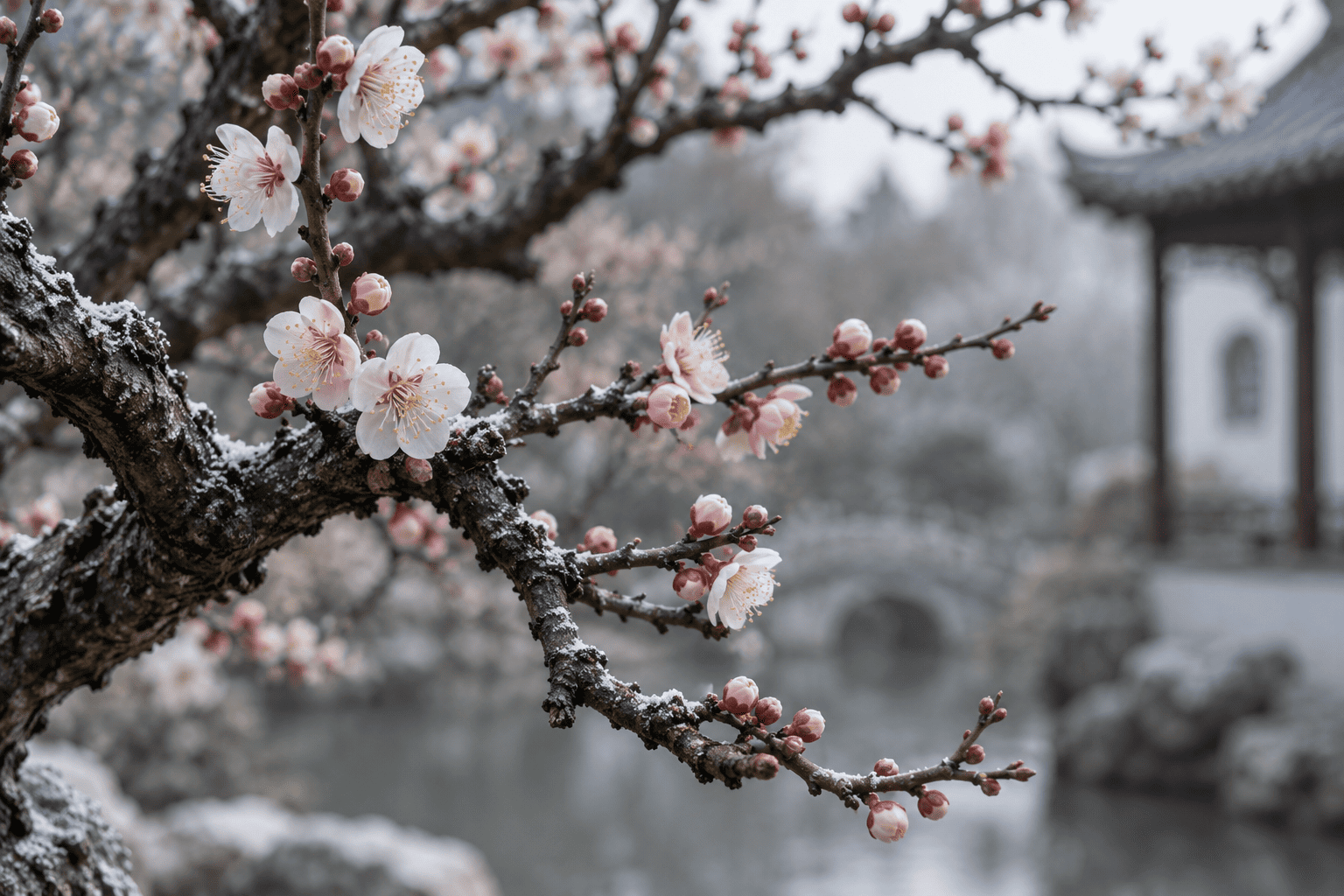
1. Plum blossom: hope before spring fully arrives
Plum blossom is a particularly strong choice when the intention is to celebrate renewed hope. Its flowers appear on bare branches as winter begins to recede, creating a contrast between delicate bloom and weathered wood.
The Metropolitan Museum of Art’s essay On Pots, Poets, and Poetry explains the plum’s associations with hope and endurance in Chinese ceramics and poetry. The flower’s early appearance gives a seasonal basis to its meaning.
For someone beginning a new job or returning to a valued pursuit, a plum-inspired design can carry an encouraging wish. If the change follows a difficult period, keep your note gentle. “For the possibilities ahead” leaves the recipient room to feel whatever they feel.
Plum blossom should not be casually substituted with any pink flowering branch. If the cultural story matters to your choice, read the designer’s stated inspiration rather than identifying the motif by colour alone.
2. Bamboo: remaining grounded through change
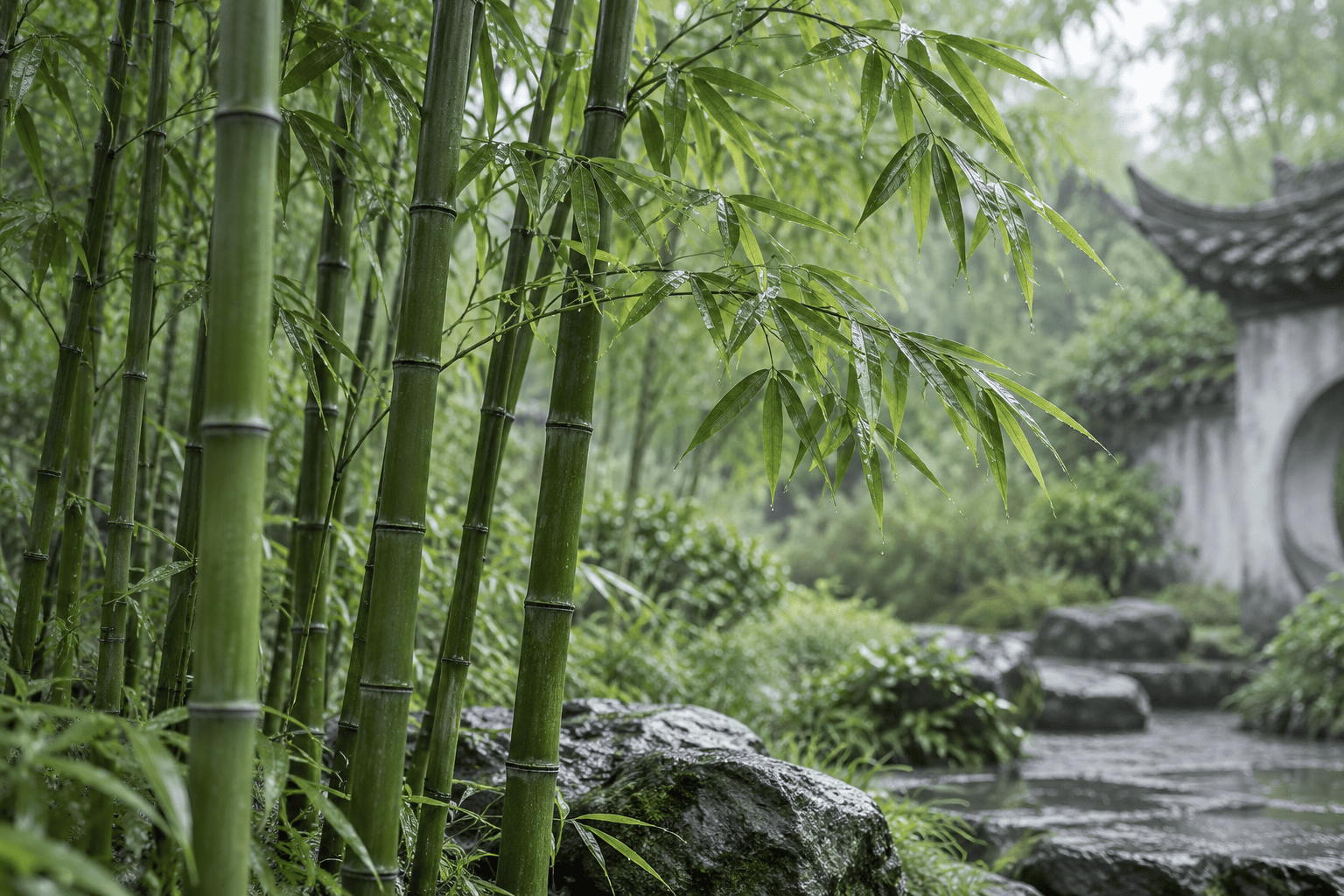
Bamboo offers a different kind of encouragement. Its upright stems and flexible movement have made it a recurring image of character in Chinese painting.
The Smithsonian’s National Museum of Asian Art describes pine and bamboo in a Chinese painting as symbols of hardiness, resilience and the scholar’s moral integrity. These associations concern qualities that endure, rather than the literal act of starting over.
That makes bamboo a thoughtful possibility for a graduation, a career change or a move that requires adaptability. Connecting it with a fresh start is your interpretation: the wish is that the recipient can enter unfamiliar circumstances without losing what matters to them.
In a scarf, bamboo’s rhythmic leaves and stems can become a restrained graphic composition. Learn more in our guide to bamboo symbolism in Chinese culture.
3. Lotus: purity and the idea of renewal
Lotus has a specific religious history that deserves attention. In Buddhist imagery, its emergence from muddy water without a soiled blossom supports associations with purity and rebirth.
The Met’s Chinese painting Lotus and waterbirds provides an example of these meanings. Its interpretation also notes that lotus shown in different seasons could evoke the fleeting nature of physical beauty.
A lotus-inspired gift can therefore invite reflection on renewal, but it should not be reduced to a general instruction to leave the past behind. For someone who values the motif or its spiritual context, it may feel especially meaningful.
If you are giving to someone whose beliefs you do not know, describe the artwork’s background and your own wish separately. “I loved the calm of this design, and thought of your next chapter” offers a personal connection without assigning a belief to the recipient.
4. Narcissus: welcoming a new year
Narcissus belongs naturally in a discussion of seasonal fresh starts. Its use in Chinese New Year display connects the arrival of flowers with the turning of the calendar.
In the Met’s description of Wu Changshuo’s Spring Offerings, narcissus appears among a group of emblems associated with long life and renewal, arranged as a New Year greeting.
This is a helpful example of symbols working together. The whole composition carries the greeting; it does not establish a single, exclusive meaning for every narcissus image.
For a New Year gift or a seasonal message, narcissus offers a quieter alternative to a broad celebration motif. The connection is especially clear when the accompanying note refers to the year ahead.
What about butterflies and transformation?
A butterfly’s life cycle makes it an understandable contemporary metaphor for change. In Chinese art, however, butterfly imagery can carry other associations that should not be overlooked.
The Met’s Woman’s robe with butterflies connects the motif with longevity through wordplay, as well as joy and weddings. Calling every Chinese butterfly design a traditional symbol of rebirth would flatten that richer history.
You can still choose a butterfly design to mark a personal transformation. Simply explain that connection as your reason for giving it, while preserving the particular artwork’s cultural story.
How to choose a meaningful fresh-start gift
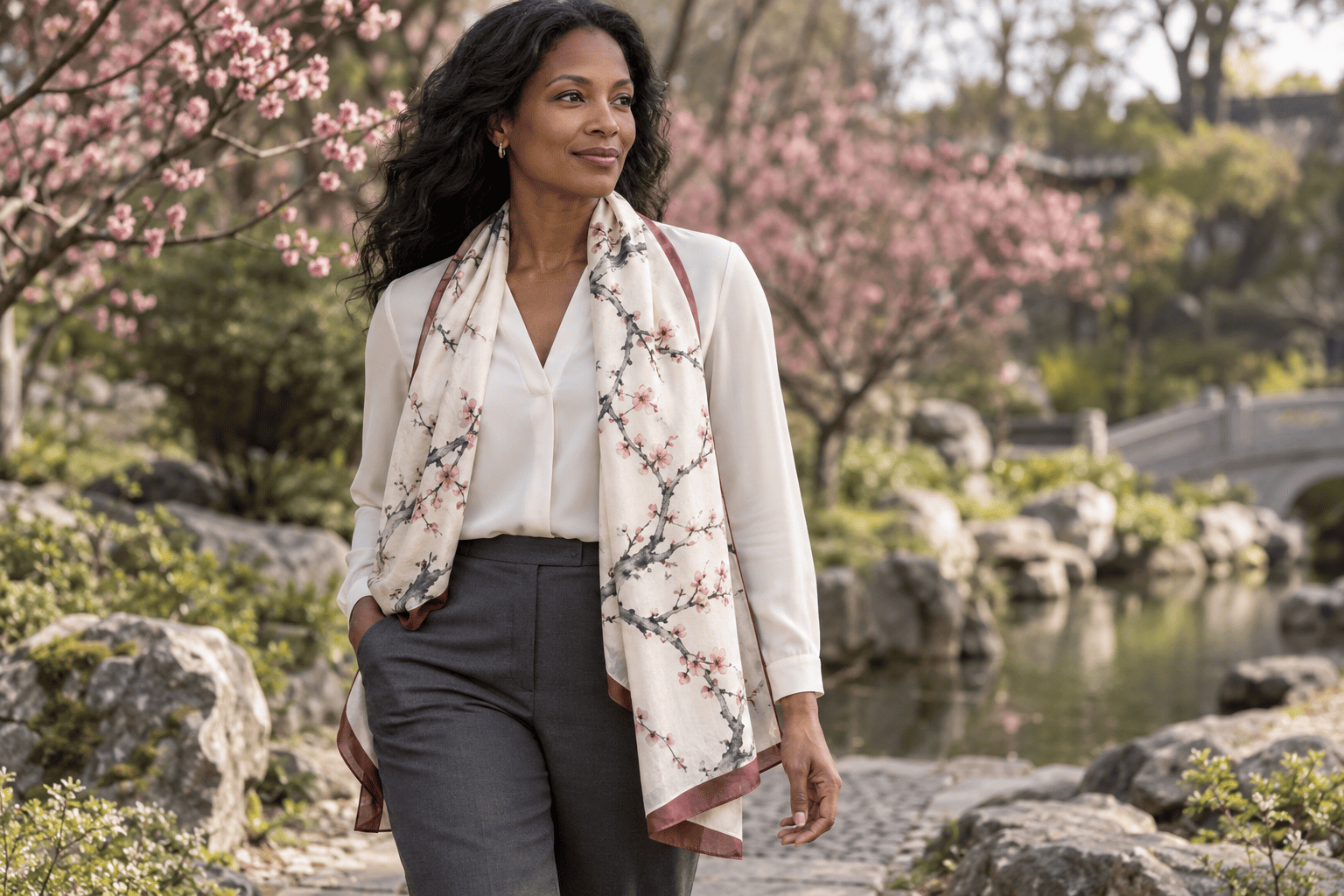
Start with the recipient’s taste. A culturally meaningful scarf should also be a colour, scale and shape they enjoy wearing. Someone who prefers understated accessories may love the rhythm of bamboo; someone drawn to expressive florals may prefer a blossoming branch.
Read the individual design story, then check the material, dimensions and styled photographs. For more guidance on making the choice personal, see how to choose a meaningful scarf as a gift.
Match the tone of your message to the occasion. A graduation can welcome an enthusiastic wish for discovery. A more private transition may call for a simple expression of support. Let the recipient define their new chapter rather than telling them what the experience should mean.
Lanting Loom translates stories from Chinese art and culture into contemporary silk. Explore our silk scarves for a design whose beauty and story both feel appropriate to the person you have in mind.
Frequently asked questions
Which Chinese flower is best suited to a fresh start?
Plum blossom is a strong choice for a message of hope and seasonal renewal. Lotus may suit a more reflective message, particularly when its Buddhist associations resonate with the recipient.
Is there a Chinese character meaning “new beginning”?
The character 新 (xīn) means “new.” A straightforward phrase for “a new beginning” is 新的开始 (xīn de kāishǐ). A written phrase communicates the idea directly; a plant motif expresses it through association and context.
Can I give a symbolic scarf outside Chinese New Year?
Yes. A motif can inform a personal gift for a graduation, move, birthday or another transition. Explain the connection accurately and warmly; its meaning does not need to depend on a festival date.
