

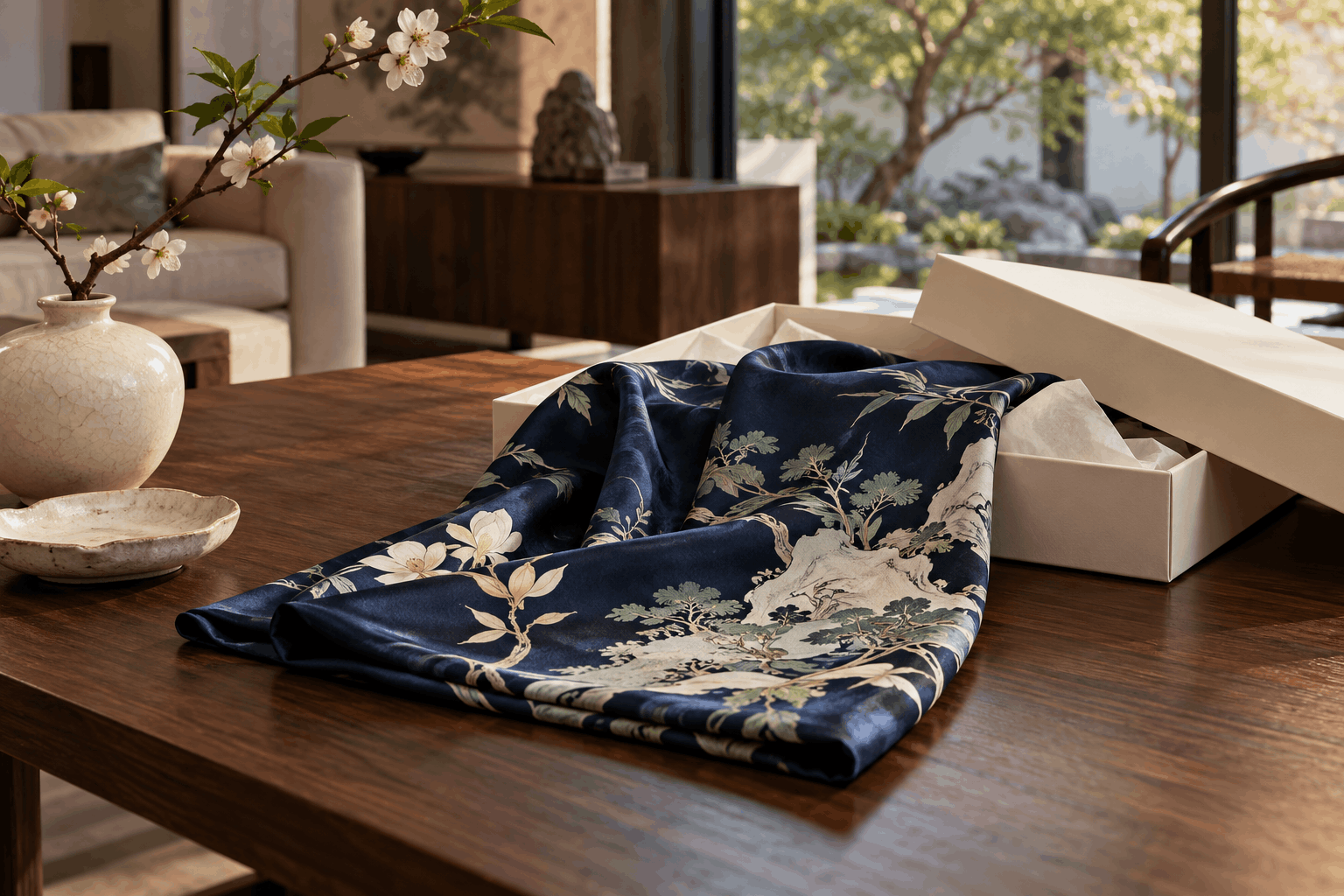
You can often sense a thoughtfully chosen gift before you know its price. The fabric falls beautifully in your hands. A ceramic cup feels comfortable to hold. The design has a reason behind it, and the accompanying note explains why someone thought of you.
A Chinese gift feels luxurious when its materials, craftsmanship, cultural story and presentation work together—and when the result suits the person receiving it. Price can reflect skilled work and distinctive design, but it cannot establish those qualities on its own.
At Lanting Loom, our view of luxury centres on cultural depth, craftsmanship, time and meaning. This guide turns that idea into practical questions you can use when comparing silk scarves, ceramics, art objects and other meaningful gifts.
The four things to look for
| Element | What makes the difference | What to ask |
|---|---|---|
| Materials | Clear composition and suitability for the object | What exactly is it made from, and how will it feel in use? |
| Craftsmanship | Careful execution, considered construction and accurate process descriptions | How was it made, and which details can I examine? |
| Story | A specific, credible connection to art, culture or the maker | What inspired this design, and why does it matter to the recipient? |
| Presentation | Protection, proportion and a personal welcome | What arrives with the gift, and is it ready to give? |
These qualities become meaningful through use. A beautifully made scarf still needs to suit someone’s wardrobe. An exceptional teacup needs to fit the way they enjoy tea. Begin with the recipient, then use the four elements to compare your options.
If you are still deciding which kind of object to give, start with our guide to meaningful Chinese gifts.
1. Materials: quality begins with an exact description
A good material description helps you imagine the object beyond the photograph. It tells you what you are buying and what to expect when you touch, wear or use it.
For a scarf, look for fibre composition, dimensions, weave and care information. For ceramics, look for the material, maker, size and intended use. For a piece of jewellery, look for the metal, any surface treatment, dimensions and fastening.
Read beyond words such as “silky” and “premium”
“Silky” describes an impression; it does not identify a fibre. A product should explicitly state its composition if you are buying it as a silk gift. Similarly, “premium ceramic” gives you less useful information than a clear explanation of the material, maker and process.
Do not assume that every product in a collection shares the same specification. Lanting Loom’s product FAQ directs customers to the material information for each individual item. That is a useful habit wherever you shop.
Choose the material for the experience you want
Imagine the recipient using the gift. Do they like an airy scarf that folds into a small accent, or a broader piece with more presence? Would they enjoy the texture of a ceramic surface, or prefer a smooth cup for daily use?
More weight, more shine or a larger size may change the experience without improving it for that person. Compare similar objects and ask what a particular specification contributes to comfort, appearance or use.
When buying online, look for close views as well as styled photographs. For silk, images of the full design, edge, reverse and drape answer different questions. If a detail matters and is missing, ask for clarification before ordering.
2. Craftsmanship: look at the decisions and the execution
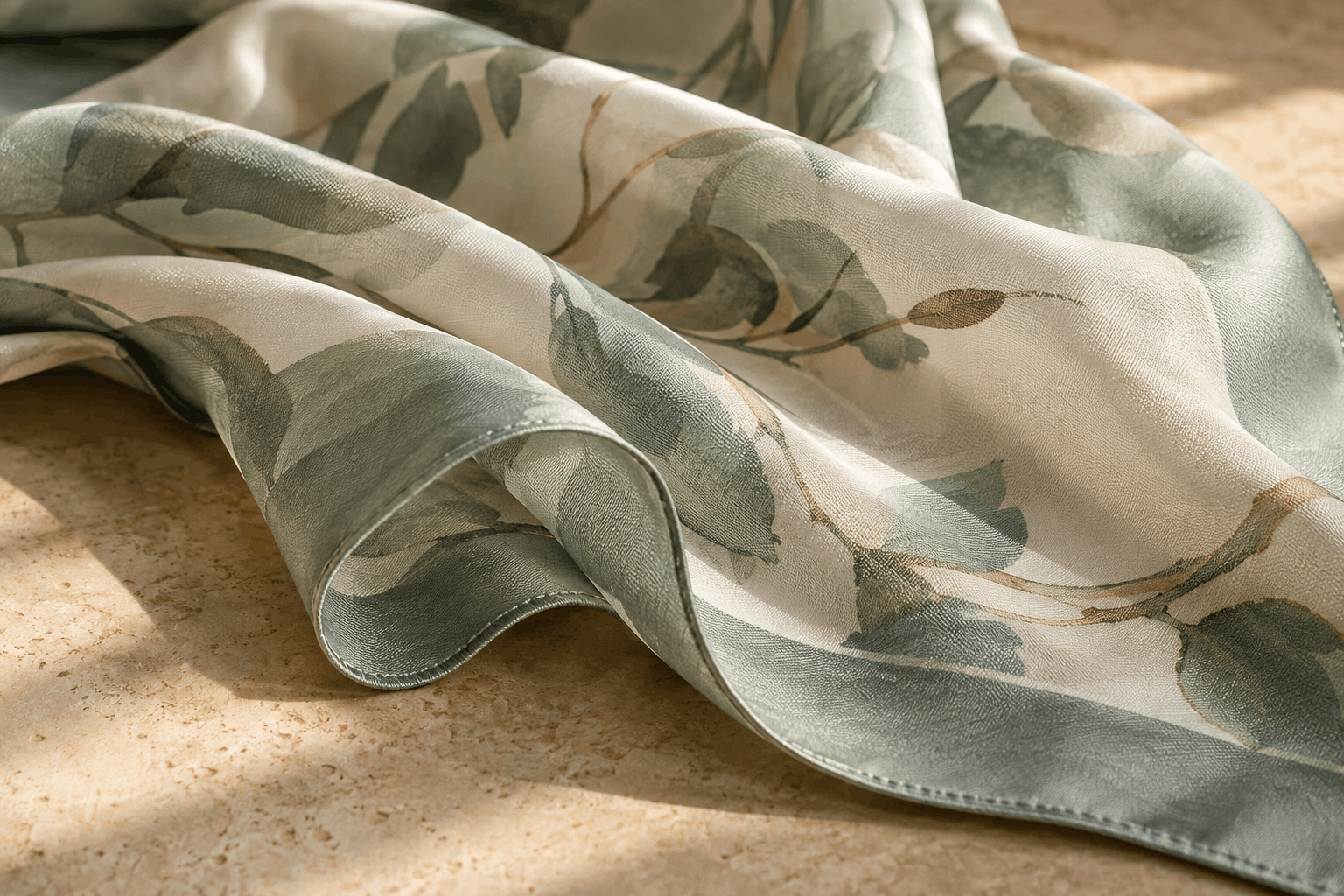
Craftsmanship shows in how an object has been worked through. On a scarf, that might include a well-resolved border, clean finishing and a composition that remains attractive when folded. On a cup, it may include a comfortable rim, a balanced shape and a carefully finished base.
Start with the details the recipient will encounter repeatedly. An impressive decorative technique has greater value when the object is also pleasant to handle and suited to its purpose.
Ask what “handmade” refers to
A description can be precise: hand-painted decoration, a hand-rolled hem or a hand-formed vessel. Each identifies a particular process. A hand-finished detail does not tell you that every other stage was completed by hand.
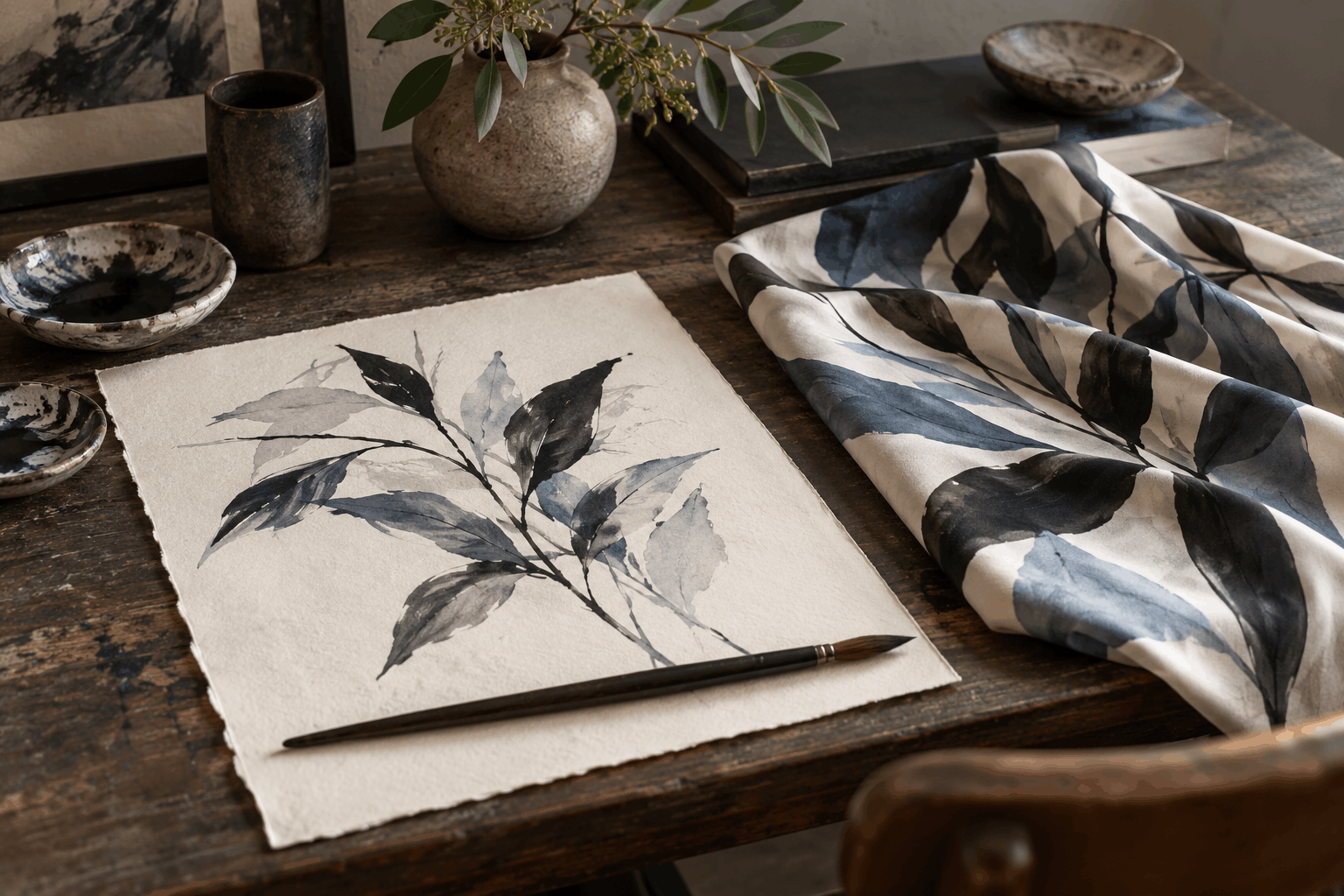
Printed, woven and embroidered designs are also different processes. A printed scarf can involve thoughtful artwork and excellent finishing. Judge it on what it is, with a clear account of how it was produced.
A useful question for a seller is: “Which parts of this piece are completed by hand, and can you show me those details?” The answer should help you understand the object without requiring you to interpret broad claims.
Consider the quality of the design itself
Design involves choices about scale, spacing, colour and use. A scarf can look striking when displayed flat yet become difficult to style if its colours gather awkwardly when folded. A gift box can photograph beautifully yet be inconvenient to open or store.
Look for evidence that someone has considered the whole experience. Ask to see the scarf worn, the vessel held or the packaging opened. Those views can reveal more than another description of exclusivity.
Time matters when it contributes something tangible
Time spent developing artwork, refining a form or finishing an edge can contribute to the value of a piece. But a long delivery estimate is not evidence of hours of craft: production, scheduling and transport are different things.
If time is central to the story, look for an explanation of the work involved. The strongest descriptions connect the process with a detail you can appreciate in the finished gift.
3. Story: cultural meaning should be specific and credible
A cultural story gives you another way to understand an object. It might connect a pattern with a garden, a composition with an artwork or a maker’s practice with a particular place. The connection becomes more engaging when the brand explains it clearly.
The Metropolitan Museum of Art’s Painting with Threads exhibition explores how Chinese tapestries and embroideries interpret subjects associated with painting, including landscapes, flowers and birds. It offers a useful example of how materials, artistic ideas and technical skill can meet in one object.
That history can deepen appreciation of textile art. It does not mean that a contemporary printed scarf uses the same techniques as a historical tapestry. A compelling modern design can explain its inspiration and production separately.
Distinguish three kinds of story
- The cultural reference: the artwork, tradition, place or documented association that informs the piece.
- The designer’s interpretation: how that reference becomes a new composition, palette or form.
- Your personal connection: why you chose it for this person and this occasion.
For example, a garden-inspired design might have a clearly explained artistic source. Its contemporary palette is the designer’s choice. Your note might connect it with a garden you visited together. Each layer adds meaning while remaining honest about where that meaning comes from.
Be cautious about a story that assigns elaborate symbolism to every detail without explaining its source. A flower can be present because the designer loved its shape. Personal appreciation is a perfectly good reason to choose it.
A contemporary appearance can carry cultural depth
A gift does not need an antique appearance or an elaborate decorative scheme to feel connected to Chinese culture. A living designer’s work, an interpretation of a landscape or a thoughtfully developed textile composition may offer that connection in a modern form.
Choose the visual language the recipient enjoys. Someone who favours restrained interiors may appreciate a subtle piece, while another person may love rich pattern and colour. Both preferences leave room for thoughtful design and skilled making.
4. Presentation: make the gift easy to receive and enjoy
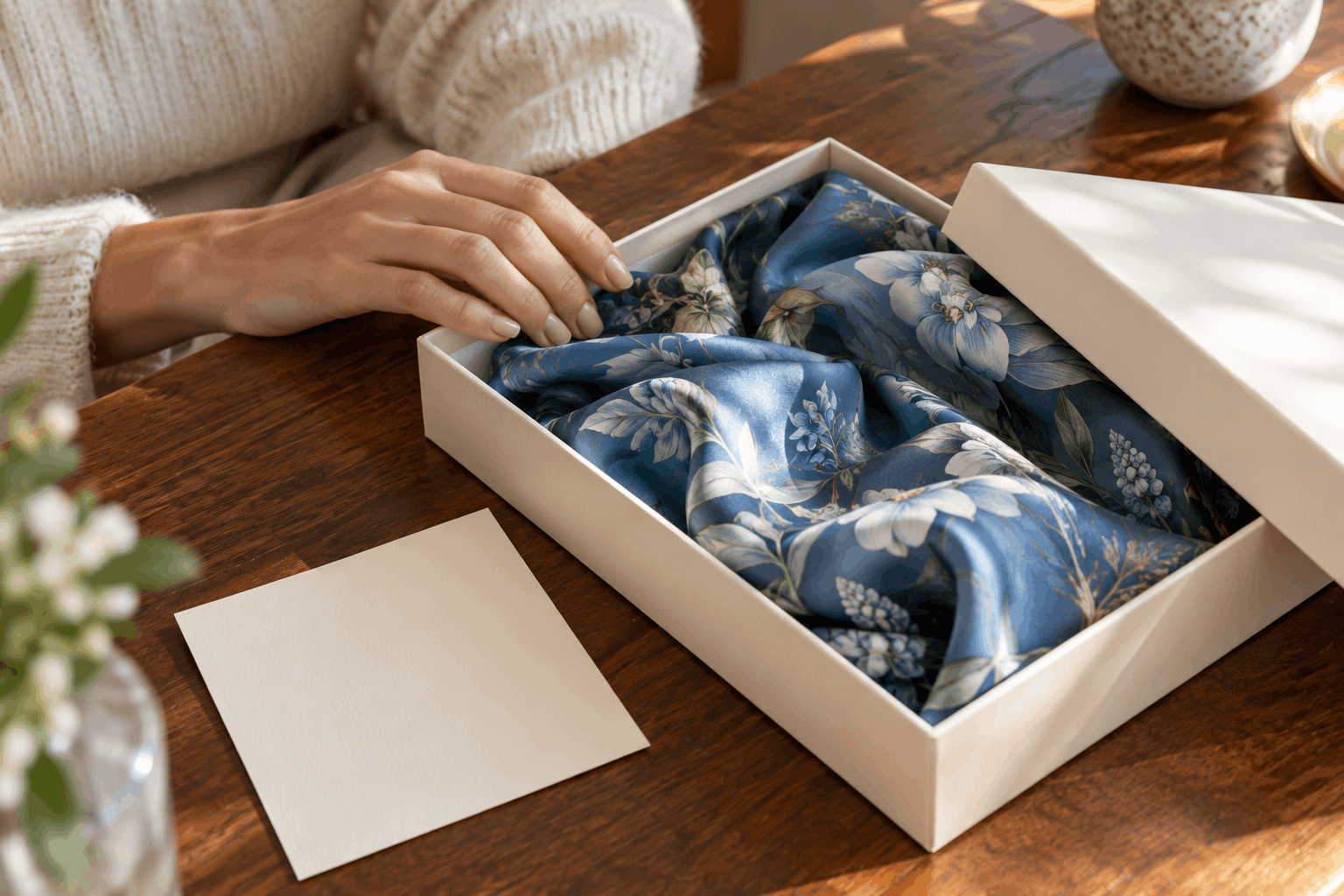
Presentation shapes the first encounter. A well-proportioned box, a neatly arranged object and a short card can communicate care before the recipient reads your message.
Useful presentation also protects the gift and helps someone understand it. Ask whether the package includes care guidance, the design story and any items shown in the photographs. A styling prop should not be mistaken for part of the purchase.
Look for purpose in each element
The box should fit and protect its contents. The wrapping should be pleasant to open. A story card should explain the design in accessible language. If an accessory is included, it should have a clear use for the recipient.
There is no need to equate an oversized box or multiple layers of wrapping with greater generosity. Give the main object room to make its impression.
Lanting Loom’s gift services outline available presentation and message options, with exact contents confirmed on the chosen product’s page. Check those details before deciding whether a scarf alone or a gift set best suits your occasion.
Write a message that explains your choice
A personal note can connect the design with the recipient in a sentence or two:
“These colours reminded me of the garden we visited together. I thought you might enjoy carrying a little of that afternoon into everyday life.”
For a professional relationship, keep the message warm and appropriate: “Thank you for the thought and care you brought to our work together. I chose this piece as a small expression of my appreciation.”
You do not need to explain the price or promise that the object will become an heirloom. Tell the recipient what you noticed about them and why that led you to this gift.
How to decide whether a higher price is worthwhile
When two gifts look similar, compare their stated specifications and the experience they offer. The difference may involve material, dimensions, finishing, design, production scale, service or brand positioning. Ask which of those differences matters to the recipient.
Imagine two scarves. One comes in an elaborate box but provides little information about composition or size. The other clearly describes its material and finishing, shows the design worn and explains its inspiration. The second gives you a stronger basis for judging whether the price suits what you will receive.
Now imagine two equally well-described scarves. One costs more but uses colours the recipient rarely wears. The less expensive design may make the more successful gift. Personal fit remains part of the value.
Before paying more, ask:
- Can I identify the difference in the object or service?
- Does the description provide evidence for that difference?
- Will the recipient notice or benefit from it?
- Would I still choose this object without its packaging?
- Does the total cost fit my budget comfortably?
If you would like to apply these questions to a shortlist, explore our luxury Chinese gifts for women guide for ideas across silk, art and design.
The final detail: a gift that fits their life
Before ordering, picture what happens after the gift is opened. Will the scarf work with clothes they own? Is there a place for the art object? Will the care routine feel manageable? Does the gift express the right degree of intimacy for your relationship?
For silk, review the supplied care instructions and our silk care guide. For any gift, check delivery timing, the exchange or return policy and any restrictions associated with personalisation.
These details belong to the experience of luxury. Receiving a beautiful object should feel considerate from the first opening through the pleasure of using it.
Frequently asked questions
What makes a Chinese gift luxurious?
Look for well-described materials, careful execution, a credible design story and thoughtful presentation. The gift also needs to suit the recipient’s taste and habits. No single label, price or packaging detail establishes all of these qualities.
Does a luxury Chinese gift have to be handmade?
No. Different production methods can produce beautiful objects. If handwork is part of the description, ask which stages it covers and look at the relevant details. Accurate information makes the craft easier to appreciate.
Can a printed silk scarf be a luxury gift?
Yes. Consider the quality of the design, the stated fibre composition, the finishing and how the scarf looks when worn. Printing is a production method; the overall quality depends on the piece and its execution.
Is elaborate packaging worth paying more for?
It can be worthwhile when it protects the object, presents it beautifully and includes useful information or personal details. Evaluate the gift itself first, then decide whether the presentation adds something the recipient will appreciate.
How much cultural explanation should accompany the gift?
A brief, accurate design story is usually enough, followed by your own reason for choosing it. Offer a source or further reading if the recipient enjoys learning more. The gift should be enjoyable without requiring a long explanation.
Can a modestly priced gift still feel luxurious?
Yes. A well-chosen object with appealing materials, considered design and a personal message can feel special. Stay within a comfortable budget and prioritise the qualities that matter to the recipient.
Choose a gift whose details reward attention
The pleasure of a thoughtful gift continues after the first impression: in the way a scarf drapes, the balance of a cup, the discovery of a design reference or the rereading of a personal note.
Explore Lanting Loom’s silk scarves and gifts with those details in mind. Choose a design the recipient will enjoy, understand what makes it distinctive and add the part only you can provide: the reason it made you think of them.
