

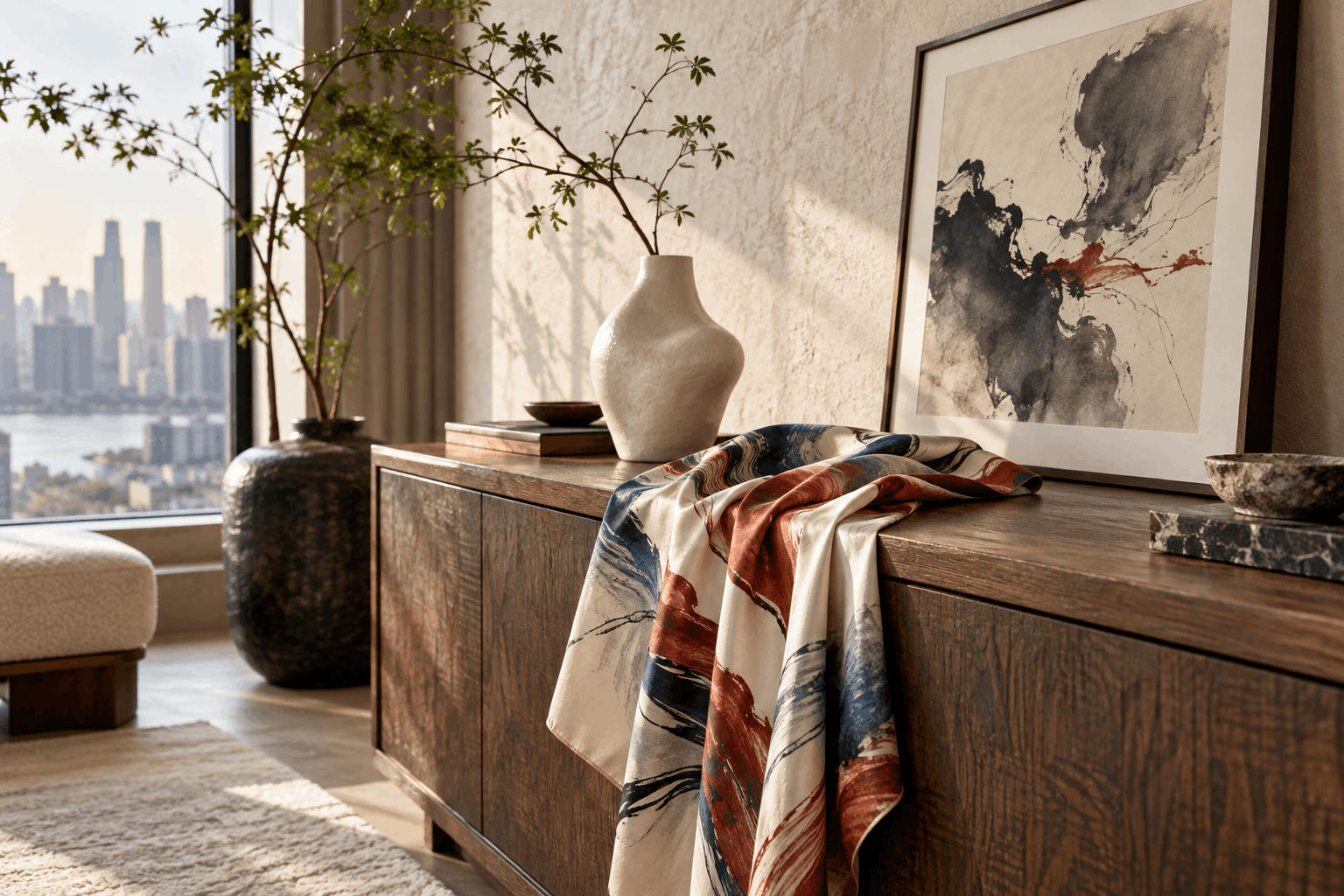
You want to give something with a connection to China: a piece with a story, beautiful materials and a sense of discovery. You also want the recipient to wear it, use it or find a place for it at home long after the occasion has passed.
The most thoughtful contemporary Chinese luxury gifts combine distinctive design, credible cultural context and a clear place in the recipient’s life. An artistic silk scarf, a sculptural ceramic vessel, a carefully chosen artwork or a useful object from an independent designer can all meet that brief.
A souvenir can be a treasured reminder of a journey. Here, the aim is to choose a gift whose appeal also stands on its own: something the recipient would enjoy even if they had never visited the place that inspired it.
Start with the person and the way they live
Before searching for a particular symbol or material, think about the recipient’s daily surroundings. What do they wear repeatedly? Which objects remain on their desk? Do they enjoy making tea, collecting art or changing the details of a familiar outfit?
These observations give you a better starting point than a broad theme. A person who likes sculptural jewellery may appreciate an independent designer’s brooch. Someone who spends weekends visiting galleries may enjoy an art scarf or a small edition by an artist they follow.
Ask one useful question: Where will this gift belong in their life? You should be able to picture an outfit, a room, a routine or an interest. That picture helps you choose the size, colour and format with confidence.
For a broader view of gift categories and occasions, explore our guide to meaningful Chinese gifts.
What does “contemporary Chinese” mean?
Contemporary Chinese design has room for many approaches. A piece might come from a Chinese designer, develop a specific artistic reference or explore a material practice in a new form. These connections deserve a clear explanation.
The V&A’s Dimensions: Contemporary Chinese Studio Crafts explores innovations growing from China’s craft traditions. Its highlighted works span materials including porcelain, textiles, metal, lacquer and glass. It is a useful starting point for seeing the breadth of contemporary practice.
For gift buying, that breadth is encouraging. You can look for something vivid or restrained, expressive or practical. Traditional ornament can be beautifully used in a contemporary piece; a minimal object can also be poorly considered. Judge the individual design and how it will suit the recipient.
It also helps to distinguish the designer’s background, the source of inspiration and the place of manufacture. Each tells you something different about the object. A reliable description makes those connections understandable.
Six contemporary Chinese gift ideas to consider
| Gift idea | A good match for | The detail to get right |
|---|---|---|
| An artistic silk scarf | Someone who enjoys personal style | Colours, dimensions and the design when folded |
| A ceramic vessel | Someone with an interest in interiors | Scale, surface and intended use |
| A small tea pairing | Someone who already enjoys tea | Capacity, preparation and their preferred flavours |
| An artwork or edition | Someone whose artistic tastes you know | Artist, medium, documentation and display space |
| A designer accessory or desk object | Someone who notices everyday details | Comfort, materials and practical function |
| A focused gift set | Someone who appreciates a complete presentation | One strong central gift and useful additions |
1. An artistic silk scarf that works with real clothes
A scarf offers a natural meeting point between art and everyday use. A composition can reference a garden, a landscape or the movement of a brushstroke while still working with a favourite jacket or a simple shirt.
Begin with the recipient’s wardrobe. Choose a colour that connects with pieces they already wear, then consider whether they prefer a compact accent or a more generous drape. A scarf that looks impressive unfolded should also be appealing in the form they will actually wear.
Look at the border, corners and reverse as well as the central artwork. These areas often become visible when the fabric is tied or folded. Ask for worn photographs if the product page only shows a flat design.
At Lanting Loom, our design stories describe how cultural and natural sources can become contemporary compositions through line, colour and scale. Use the story to understand the design, then make the final choice through the recipient’s preferences.
Before buying: confirm fibre composition, exact measurements, finishing and care instructions. Choose the scarf for its design and wearability, with the cultural connection adding another reason to enjoy it.

2. A ceramic vessel with presence and purpose
A well-chosen ceramic piece can become part of a room without requiring the recipient to rearrange it. A small vase for a few stems, a sculptural bowl or a carefully proportioned vessel can offer both visual pleasure and a clear use.
Notice the surfaces and shapes already in their home. Do they favour warm wood, polished stone, colourful objects or quiet tones? You can choose a piece that fits those surroundings or adds a contrast you know they would welcome.
Look for an identified maker, dimensions and a clear material description. Check whether the object is suitable for water, food or display only, depending on how you intend it to be used. A sculptural appearance does not establish its practical properties.
Before buying: measure the likely space. A small piece can be generous in thought and quality; a larger one asks the recipient to make room for it.
3. Teaware chosen around an existing pleasure
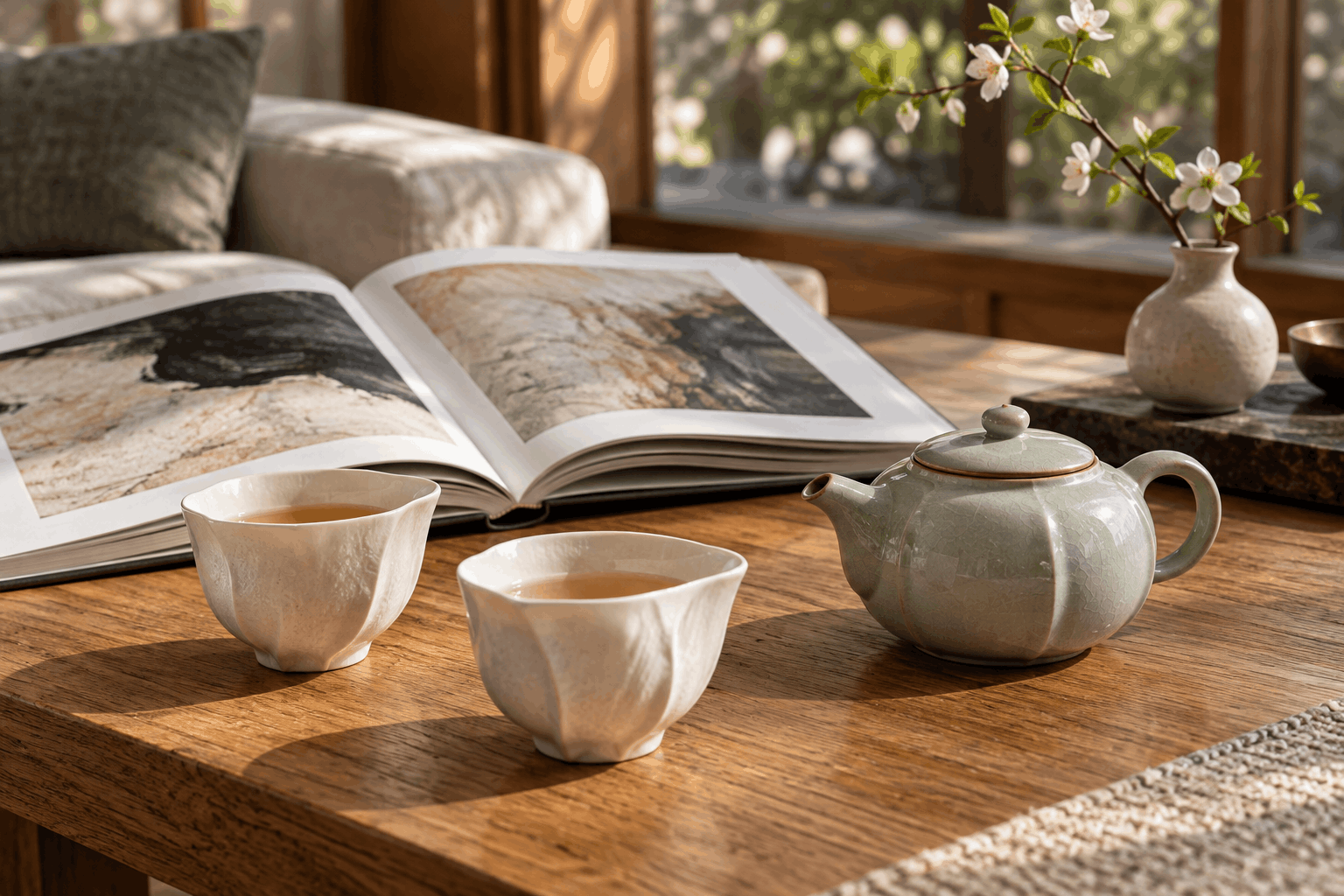
Tea can make a gift feel personal when you begin with what someone already enjoys. A comfortable cup, a useful teapot or a small pairing of tea and teaware can enrich a familiar routine.
Choose the format around their habits. Someone who drinks a large mug at a desk has different needs from someone who enjoys preparing several small infusions. Neither requires a more elaborate setup unless they want one.
If adding tea, look for a clear description, preparation guidance and packaging that protects it. Choose a manageable quantity so the recipient can explore it without feeling committed to a large supply of an unfamiliar flavour.
A good pairing might be one cup and a tea they have mentioned, or two cups for someone who enjoys sharing. The connection between the pieces matters more than the number of items.
Before buying: confirm capacity, care requirements and intended food use for the teaware. Check that the recipient has what they need to prepare the tea.
4. An artwork or edition with a clear identity
For someone who loves art, consider a work by a contemporary Chinese artist whose practice connects with their interests. That might mean photography, an original print, a work on paper or a small textile piece.
Start with the artist and the work. A clearly attributed piece gives the recipient something to explore: the maker’s ideas, other works and the context in which it was created.
Confirm whether you are buying an original work, an edition or a reproduction. Ask about the medium, dimensions, framing and documentation. If it is described as limited, the seller should explain the edition.
Art is an especially personal choice. For a substantial purchase, inviting the recipient to choose with you can be part of the gift. A planned gallery visit with a budget agreed privately may be more successful than guessing which work they want to live with.
Before buying: consider display space and the full cost of framing or delivery. Give art for the pleasure it offers, without promising future financial value.
5. A useful object from an independent designer
A sculptural brooch, a compact jewellery box or a well-made desk object can appeal to someone who appreciates small design decisions. These gifts often succeed because they fit into an existing routine.
Look for a designer whose work has a recognisable point of view. The connection to Chinese design may come through the designer’s practice, a specific source or a material approach. Read that explanation rather than inferring it from appearance.
Then examine the practical details. Does the brooch have a suitable fastening and weight? Will the box hold the items the recipient actually owns? Does a desk tray fit their workspace?
Before buying: check exact materials and construction. If the object uses a technique named in the description, ask what that means for this particular piece.
6. A gift set built around one excellent object
A set can make giving easier when it has a clear centre. Start with the scarf, artwork or useful object you would choose on its own. Add only what improves the recipient’s experience.
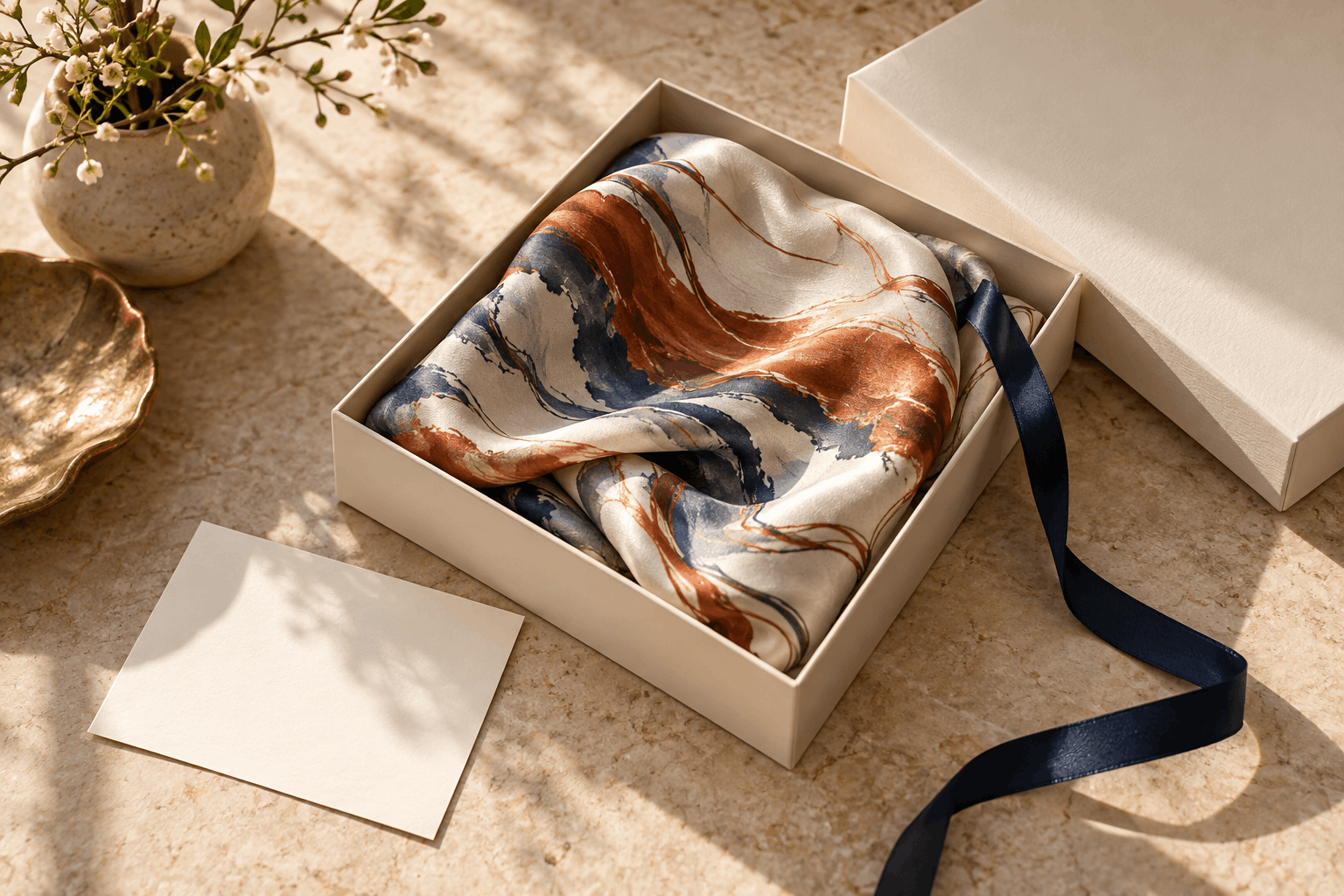
For a scarf, that might be a concise design story, care guidance and a personal message. A styling accessory may be welcome if the recipient would use it. For a ceramic cup, a small selection of tea may create a natural pairing.
A theme becomes convincing through the relationship between the pieces. Matching colours alone do not make several unrelated objects into a thoughtful gift.
Explore Lanting Loom’s curated gift sets and check each contents list. Our gift services explain presentation and personal-message options, with availability confirmed for the selected item.
Before buying: separate the included contents from photography props, and make sure the central gift still feels right for the person.
How to recognise a gift with lasting appeal
When you have a shortlist, imagine the gift outside its packaging and away from its sales description. Would the recipient still be drawn to it? Could you explain your choice in terms of their taste?
- A clear use: you can picture it being worn, handled or displayed.
- A specific design: the colours, proportions or composition reward attention.
- Useful information: material, dimensions and care are easy to find.
- A credible connection: the seller explains the designer, source or making process.
- A personal reason: you can say why it suits this recipient.
For a closer look at evaluating quality, read what makes a Chinese gift feel luxurious. It covers the materials, craft and presentation details worth comparing before you spend more.
Presentation that lets the gift speak
Choose packaging that protects the object and makes it pleasant to open. A compact, well-arranged box and a short card are often enough. Colours can echo the piece or suit the occasion without requiring a single formula for what a Chinese gift should look like.
Keep the cultural explanation focused. Name the design’s actual source if it is documented, then add your own connection. You might write:
“I chose this because the flowing lines reminded me of the paintings you loved at the gallery. I thought the colours would be beautiful with your navy jacket.”
Or, for an object for the home: “A small piece for the quiet corner where you enjoy your morning tea.”
Those messages make the gift about the recipient. The design story offers context; your words explain the attention behind the choice.
Choosing for someone whose taste you do not know well
Reduce the number of assumptions. Use an interest they have actually mentioned, ask someone close to them or offer two or three choices. Smaller dimensions and flexible presentation can help, but no colour or design is universally appealing.
Avoid a large decorative object unless you know they want it. For personal accessories, consider whether you have enough information about their style and preferred materials. An invitation to choose together can feel thoughtful and generous.
If you are shopping for a woman who enjoys fashion, art or interiors, our luxury Chinese gifts for women guide offers more recipient-focused ideas.
Frequently asked questions
What are good contemporary Chinese luxury gifts?
Consider artistic silk scarves, ceramics, thoughtfully selected teaware, contemporary art and useful objects by independent designers. Choose according to the recipient’s habits, then check the materials, dimensions, making information and cultural context.
Can a gift include traditional Chinese motifs and still feel contemporary?
Yes. Scale, colour, composition and use can give a familiar motif a contemporary expression. Look at the finished design and how it fits the recipient’s style.
Does a modern Chinese gift need a minimalist design?
No. Contemporary design can be richly patterned, colourful or sculptural. Restraint is one approach among many. Choose the level of colour and detail the recipient enjoys.
How can I tell whether the cultural story is credible?
Look for a specific source and a clear distinction between documented context and the designer’s interpretation. A reliable seller should also describe production accurately rather than using the inspiration as evidence of a heritage making process.
Is a silk scarf a suitable gift for someone who has never visited China?
Yes, if they enjoy scarves and the design suits them. They can appreciate the colour, feel and styling possibilities while discovering the story at their own pace.
What is the best way to avoid buying something that goes unused?
Picture exactly how the recipient will use or display it. Check size, care and compatibility with what they already own. If you cannot picture its place in their life, choose a different format or involve them in the decision.
A gift that becomes part of everyday life
A meaningful connection to China can remain present in a gift that feels entirely at home in a contemporary wardrobe or interior. The pleasure comes from the object itself, with its story offering another layer to discover.
Explore Lanting Loom’s silk scarves and gifts for designs shaped by cultural stories and everyday wear. Start with what the recipient loves, then choose the piece that brings something new to it.
