

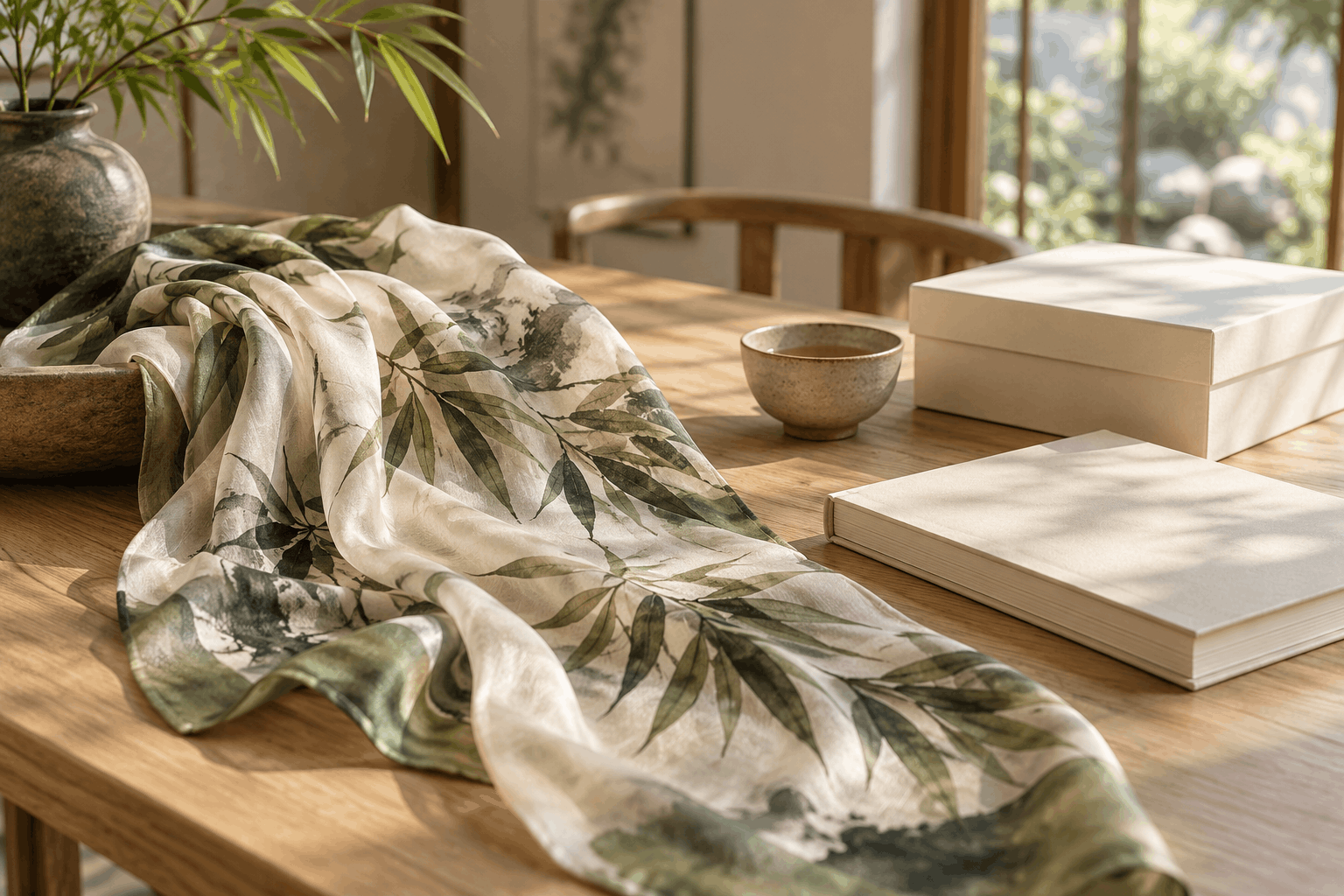
A gift becomes more personal when you can explain why you chose it. Perhaps a botanical design recalls a garden you visited together. A ceramic cup belongs to a friend’s favourite morning ritual. An art book opens a conversation you have wanted to continue.
Chinese cultural gifts connect an object with Chinese artistic traditions, symbols, literature, craftsmanship or ways of life. Their meaning can come from a documented source, a maker’s interpretation and the relationship between giver and recipient. Thoughtful choices include artistic silk scarves, ceramics, paintings, books and carefully selected sets.
The most rewarding gift allows all of these qualities to work together: something the recipient enjoys, a story worth discovering and a personal reason for giving it.
What Makes a Gift Culturally Meaningful?
A cultural connection is strongest when it is specific. “Inspired by Chinese culture” may introduce a design, but it helps to know which part: a painting tradition, a particular garden, a poem, an established ceramic form or a contemporary artist’s work.
Three layers can help you understand the object:
- The source: the artwork, subject, place, practice or tradition it draws on.
- The interpretation: how the maker or designer has expressed that source in the finished piece.
- The personal connection: why the gift matters to the person receiving it.
These layers need not be equally elaborate. A well-made cup with clear maker information and a heartfelt note can be deeply meaningful. An intricately patterned scarf may invite a longer conversation about its design.
Cultural meaning also does not depend on price. For gifts where material quality and presentation are central to the decision, our guide to luxury Chinese gifts explores those considerations in more detail.
Three Ways to Choose: Art, Symbolism and Story
Art: choose something they will enjoy looking at or using
Begin with the recipient’s visual taste. Do they enjoy expressive colour, delicate botanical drawing, dramatic landscapes or quiet forms? A cultural reference becomes easier to appreciate when the object already appeals to them.
An artistic gift may be an original work, a reproduction, an artist collaboration or a new design inspired by a broader tradition. Each offers a different relationship with art. Read the description carefully so you know which kind you are choosing.
For someone interested in collecting, the artist, medium and documentation may be central. For someone who enjoys fashion, the way an image moves across a textile may matter more. Our guide to Chinese art gifts for collectors and design lovers helps distinguish these interests.
Symbolism: use a cultural association as a starting point
Plants and animals in Chinese art can carry associations drawn from literature, history and cultural memory. The Metropolitan Museum of Art’s exhibition Noble Virtues: Nature as Symbol in Chinese Art explains that natural imagery can be decorative or communicate ideas beyond the subject itself.
Two examples offer a useful introduction:
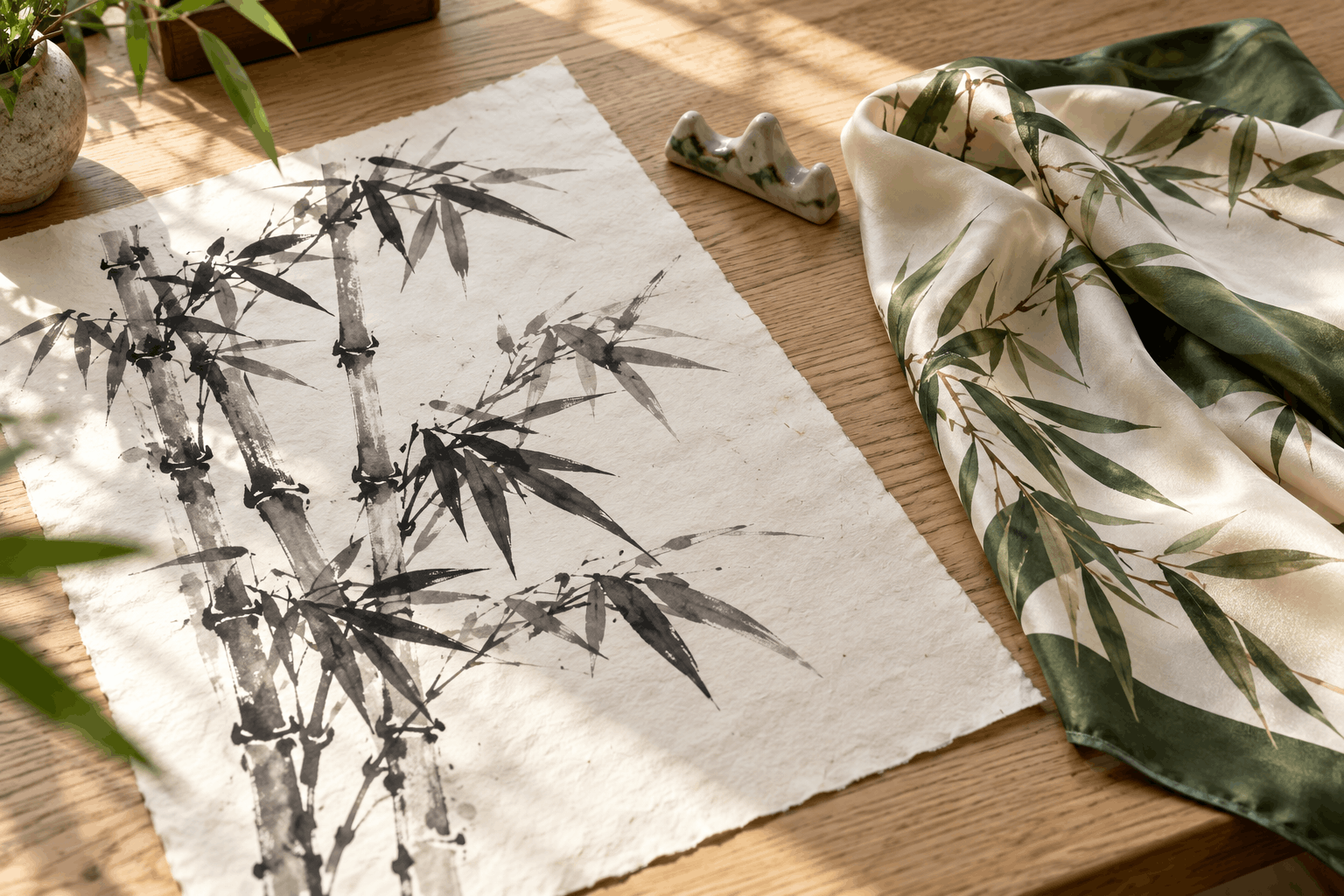
- Bamboo: its flexibility in difficult conditions can evoke steadfast character and endurance.
- Plum blossom: flowering in the cold of early spring can suggest courage in adversity.
These are contextual associations, not a universal translation for every design. Read the explanation for the particular piece before assigning it a meaning.
If a bamboo-inspired gift makes you think of a friend’s resilience, you can say so in your own words. Keep the distinction clear: the cultural association informs your choice; your admiration for your friend makes the gift personal.
Story: connect the piece to a person, place or memory
A gift’s story may come from a maker’s practice, a named artistic source or the place that inspired a composition. It can also connect with your own shared experience.
A landscape design might recall a journey. A garden-inspired textile might bring back an afternoon spent together. A book may reflect a conversation that stayed with you.
Personal memories do not need to be presented as traditional symbolism. “This reminded me of our trip” is a complete and meaningful reason to give something.
Chinese Cultural Gift Ideas and the Connections They Offer
| Gift idea | A possible cultural connection | How to make it personal |
|---|---|---|
| Artistic silk scarf | A botanical, landscape or literary reference interpreted through textile design. | Choose colours and a format the recipient already enjoys wearing. |
| Ceramic cup or vessel | A documented making practice, established form or individual studio approach. | Connect it to their tea routine, home or interest in ceramics. |
| Painting, print or calligraphy | A named artist, subject, text or artistic tradition. | Choose around a known interest and confirm the work’s details. |
| Art, literature or design book | A focused introduction to an artist, place, period or body of writing. | Match the subject, language and depth to the reader. |
| Small curated set | A shared story or complementary ways to enjoy a cultural reference. | Give every item a reason to belong in the recipient’s life. |
Silk scarves: a story that becomes part of everyday style
A scarf can bring an artistic reference into daily dressing. Its design changes as it folds, drapes and moves, giving the wearer different ways to enjoy the same composition.
Look at the scarf both laid flat and worn. A detail you admire in the full image may appear differently when tied. Consider whether the recipient prefers a small accent, an expressive square or the drape of a longer scarf.
Read the fibre composition, dimensions, finish and care information alongside the design story. Cultural meaning adds depth to the choice, while these practical details help the recipient enjoy wearing it. Explore Chinese silk gifts for a closer look at this category.
Ceramics and tea ware: meaning through use
A ceramic object can invite attention to shape, texture and the way it fits the hand. A small cup may become part of a daily pause; a vessel may hold flowers from the recipient’s garden.
If the cultural connection comes from a particular place or technique, look for information about the maker and production. Do not infer a specialist craft process from colour or decoration alone.
For practical pieces, confirm intended use and care. A tea enthusiast may have precise preferences about capacity and form, so choose around their existing habits.
Paintings, prints and calligraphy: a more specific artistic choice
These gifts work well when you know what the recipient likes to live with. Consider the subject, scale and available display space, as well as the work’s artistic interest.
For calligraphy, ask for the exact text, a reliable translation and any relevant attribution. The words should suit the relationship and occasion. For prints and reproductions, check how the original work and the edition or reproduction are identified.
If the recipient collects seriously, involving them in the selection can make the gift more rewarding.
Books: an invitation to explore
A book can offer depth without requiring the recipient to display a new object or change their wardrobe. Consider a focused exhibition catalogue, a well-translated literary work or a book about an artistic subject they have mentioned.
Choose the level of detail thoughtfully. An accessible introduction may suit a curious newcomer, while a specialist reader may appreciate a narrower subject. Check the language and edition, and whether they already own it.
Gift sets: connect the objects with one clear idea
A set can bring different pleasures together, but it should remain coherent. A scarf and a book might share a garden theme. A pair of cups might invite time together.
These are illustrative pairing ideas; check the exact contents of any set you buy. If an additional item has no clear purpose, the main gift may be stronger on its own. Our guide to choosing personal Chinese gift sets offers a practical selection framework.
Start with the Message You Want to Convey
You do not need to find a traditional symbol for every feeling. Begin with your intention, then choose an object whose design and story support it.
Gratitude
Think about the recipient’s contribution and what they enjoy. A gift connected to a conversation you shared can show that you listened. In the note, name the kindness or support you are thanking them for.
Encouragement or a new chapter
A documented botanical association may offer a thoughtful starting point, but the recipient’s situation and taste should lead. Choose something they will welcome in their next stage of life and make your message about your hopes for them.
Affection and shared memories
A place, colour or artistic subject can recall time spent together. That connection may be more intimate than a widely recognised symbol. Explain the memory briefly so the recipient understands why the design caught your attention.
Celebration
Choose around the person and the occasion. A birthday gift might reflect a new interest; a housewarming present should fit the household. For seasonal customs and festive considerations, see our Chinese New Year gift guide.

Can a Contemporary Gift Carry Cultural Depth?
Yes. A designer can interpret an artistic source through proportion, rhythm, colour or the arrangement of forms. The finished object may feel contemporary while retaining a clear relationship with its inspiration.
Look for a description that explains the transformation. What did the designer notice in the source? How does that idea appear in the object? A specific answer gives you more to share than a broad claim of cultural inspiration.
Traditional approaches offer their own rewards, particularly when the recipient values a familiar form or practice. Our comparison of traditional and contemporary Chinese gifts can help you decide which suits the person.
How to Recognise a Well-Explained Cultural Gift
A clear product description helps you enjoy the story without having to guess. Look for:
- An identifiable reference: a named source or an understandable account of the inspiration.
- Honest design language: clarity about whether the object is original, reproduced, adapted or broadly inspired.
- Relevant maker information: specific details where an artist, place or technique is part of the appeal.
- Useful product facts: materials, measurements, intended use and care.
- A story proportionate to the object: enough context to deepen your appreciation without unsupported claims.
For example, “a contemporary printed scarf inspired by bamboo painting” describes a different object from “a hand-embroidered silk textile.” Both may be appealing; the distinction helps you understand what you are buying.
For more detailed questions to ask about artistic sources, read what to look for in gifts inspired by Chinese art and culture.
Write a Gift Note That Connects the Story to Them
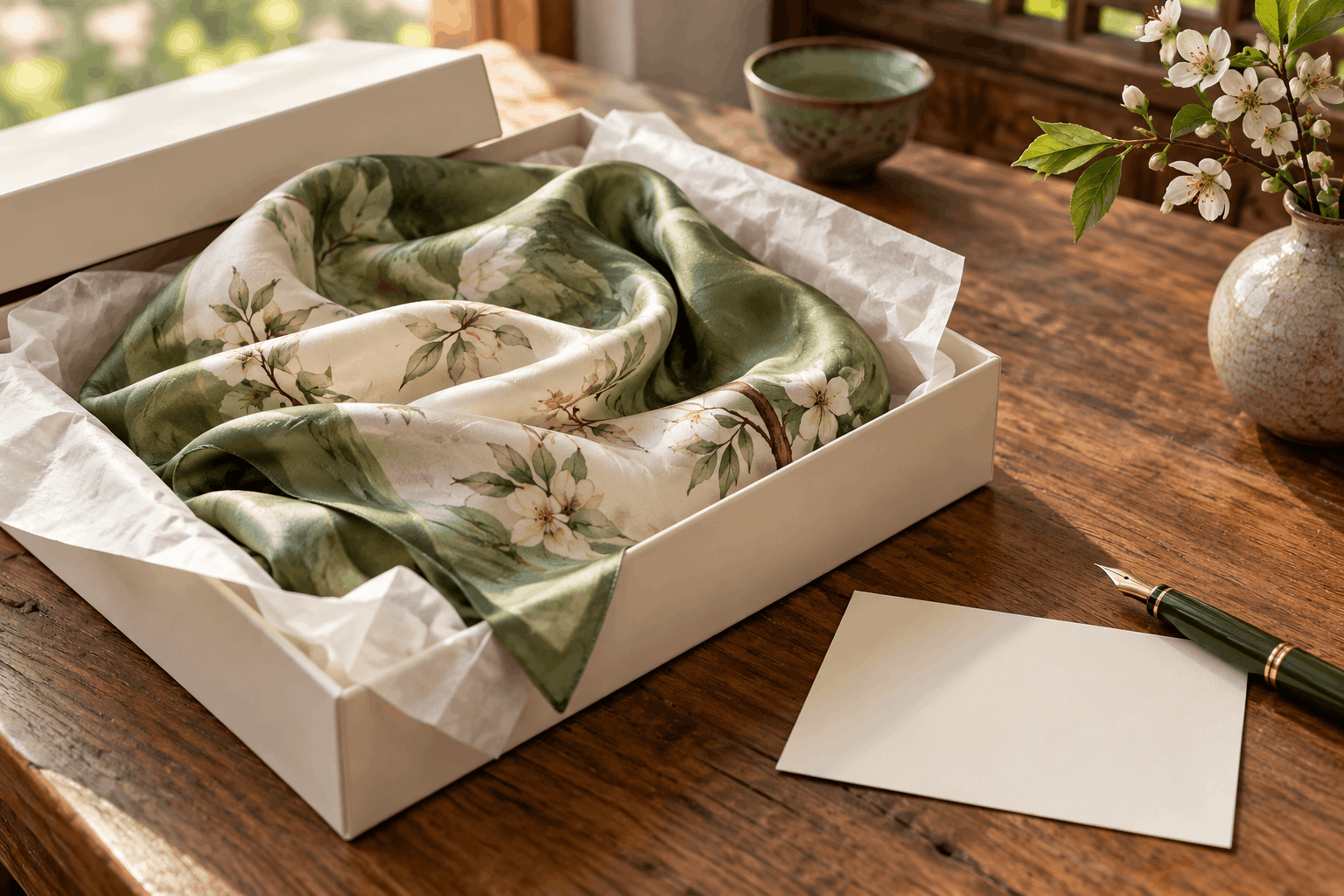
A short note can bring the cultural context and your personal intention together. Try three elements: the detail you noticed, why it made you think of them and your wish or message.
For a bamboo-inspired design, where the maker’s explanation supports the association:
“The bamboo design made me think of your quiet determination. I chose these greens because you always wear them beautifully. Wishing you joy in everything that comes next.”
For a gift connected to a shared place:
“This garden design reminded me of the afternoon we spent wandering together. I hope it brings that lovely memory back whenever you wear it.”
For a cup chosen around a familiar ritual:
“For your morning tea, and the conversations we still have to catch up on.”
Include longer maker or design information separately, allowing the recipient to explore it in their own time. At Lanting Loom, consult the product page and gift services information for the presentation and personal-message options available with your chosen piece.
Frequently Asked Questions
What are examples of Chinese cultural gifts?
Examples include artistic silk scarves, ceramics, paintings, calligraphy, specialist books and thoughtful sets with a clear connection to Chinese art or culture. Choose the individual piece for its quality, explanation and relevance to the recipient.
Does every Chinese motif have a fixed meaning?
No. Meanings can depend on the artwork, surrounding imagery, text and historical context. Some motifs are decorative. Use reliable explanations for the specific design rather than treating symbolism as a fixed dictionary.
Can I give a Chinese cultural gift to someone unfamiliar with Chinese culture?
Yes. Start with something they enjoy and include a short, accessible explanation. The gift can be appreciated immediately while offering an opportunity to discover more.
Do cultural gifts have to be handmade or expensive?
No. Meaning can come from an artistic reference, a thoughtful interpretation or a personal connection. Assess material quality and production honestly, but do not use price or handwork as the only measure of cultural value.
How much of the story should I explain?
A few clear sentences are usually enough for a gift note. Explain the detail that influenced your choice and why it relates to the recipient. A separate card or book can provide more context if they want it.
What if I like a design but do not know its symbolism?
You can choose it for its beauty and personal relevance. Ask the maker about its inspiration if you want to understand more, and describe your own reason for choosing it without inventing a traditional meaning.
Choose a Story You Can Make Personal
A meaningful cultural gift gives the recipient something to enjoy and something to discover. Its story becomes part of your relationship when you connect it to their taste, a shared memory or a sincere message.
Explore Lanting Loom’s design stories, then browse the silk scarves and gift sets with a particular person in mind. Let the design begin the conversation and your own words make it theirs.
