

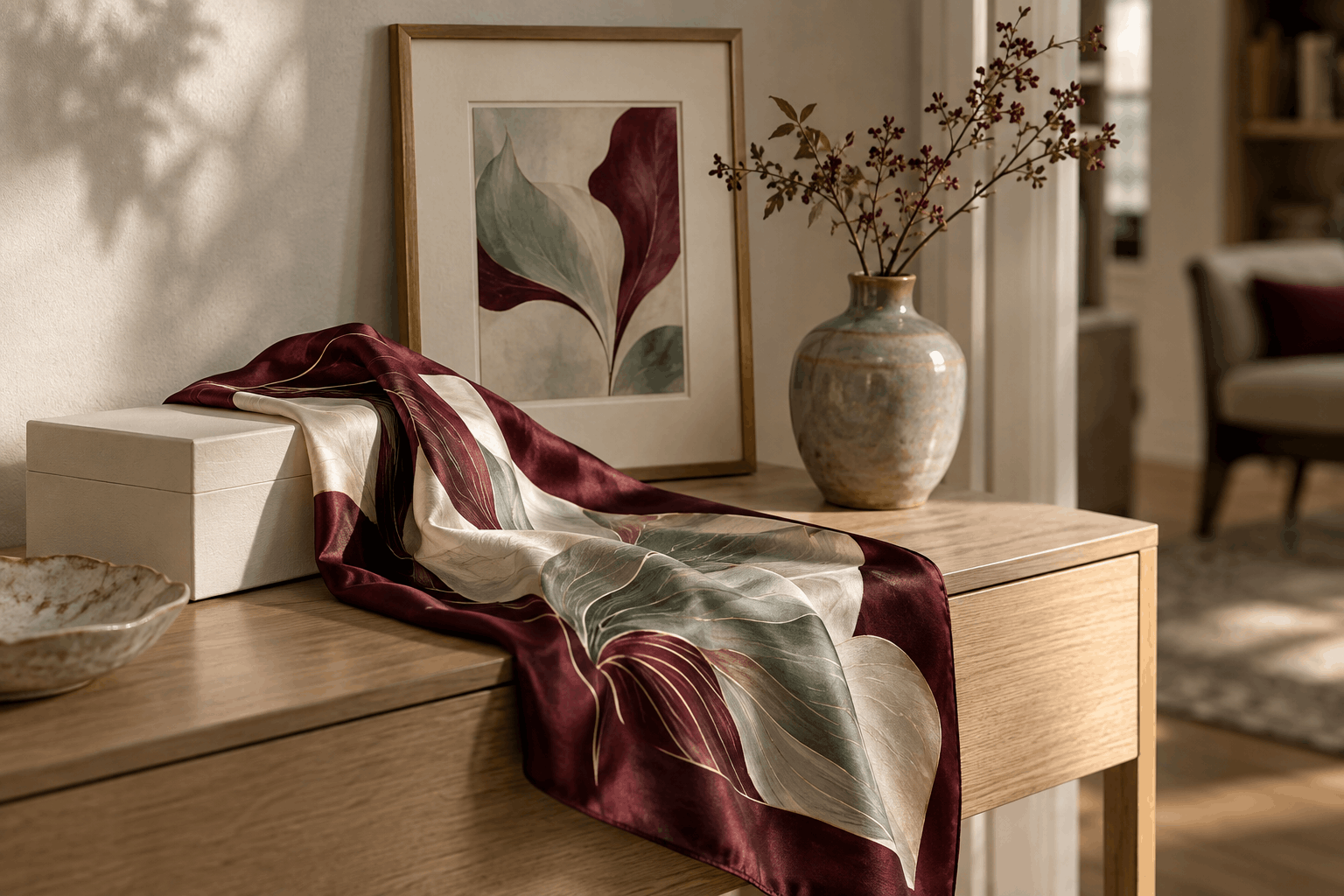
A museum gift can hold a particular afternoon: a painting seen for the first time, an exhibition shared with someone, or a detail that stayed in mind long after leaving. A limited edition gives that connection a defined form, but a small production run alone does not make an object worth collecting.
Limited-edition museum gifts become compelling collectibles when a clearly defined edition meets distinctive design, convincing quality, reliable documentation and personal meaning. The number matters most when the object already offers something worth keeping.
What Does “Limited Edition” Actually Mean?
Before considering collectibility, establish what is limited. The phrase may refer to a specific design, colourway, size or production run. It should be possible to understand the boundary from the product description or obtain a clear answer from the seller.
| Description | What it tells you | What to check |
|---|---|---|
| Limited edition | A defined release is restricted in quantity. | The edition size and exactly which version it covers. |
| Numbered edition | Individual pieces have identifiers within an edition. | How the number corresponds to the stated total and product records. |
| Museum exclusive | A product or version is exclusive to a particular museum or sales arrangement. | Whether production is also limited; exclusivity alone does not establish this. |
| Exhibition merchandise | The object relates to an exhibition. | Whether it has a fixed edition, a sales window or an ongoing production run. |
| Time-limited release | Availability is restricted to a stated period. | Whether a quantity cap also applies. |
For example, Tate Shop’s limited-edition buyers guide describes its Limited Editions as numbered, limited runs. That is a useful example of explicit edition information, rather than a convention to assume every museum textile, ceramic or accessory follows.
1. A Specific Connection to the Collection
The strongest starting point is a connection someone can explain. Which artwork, object, archive or exhibition idea informed the gift? What has the designer noticed and carried into the new piece?
A scarf might reinterpret the rhythm of a painted border. A ceramic object might respond to a vessel’s silhouette. A print might be created by an artist for a particular exhibition. Each offers a different relationship to the museum; the description should make that relationship clear.
Look for useful specifics, including the source title, creator and date where relevant. Accurate attribution helps the owner understand the object beyond its visual appeal. For museum teams, our guide to turning exhibition stories into meaningful merchandise explores how to carry a theme into a product without losing its context.
2. Design That Deserves Attention Beyond Its Rarity
Ask a simple question: would this still appeal if it were not limited?
A collectible gift should have a convincing identity of its own. Consider composition, colour, proportion and how thoughtfully the source material has been translated. A beautiful detail from a large painting may need a different scale to work on a small object.
For a silk scarf, inspect it both open and folded. The full composition may communicate the artwork, while the border and smaller passages determine how it looks around the neck. An edition number cannot compensate for a design that feels awkward in use.
Our guide to custom silk scarves for museums considers this movement from collection reference to wearable art.
3. Quality Appropriate to the Object
Collectibility does not replace ordinary quality checks. Materials and construction should suit the purpose of the gift, and the description should explain what the buyer is receiving.
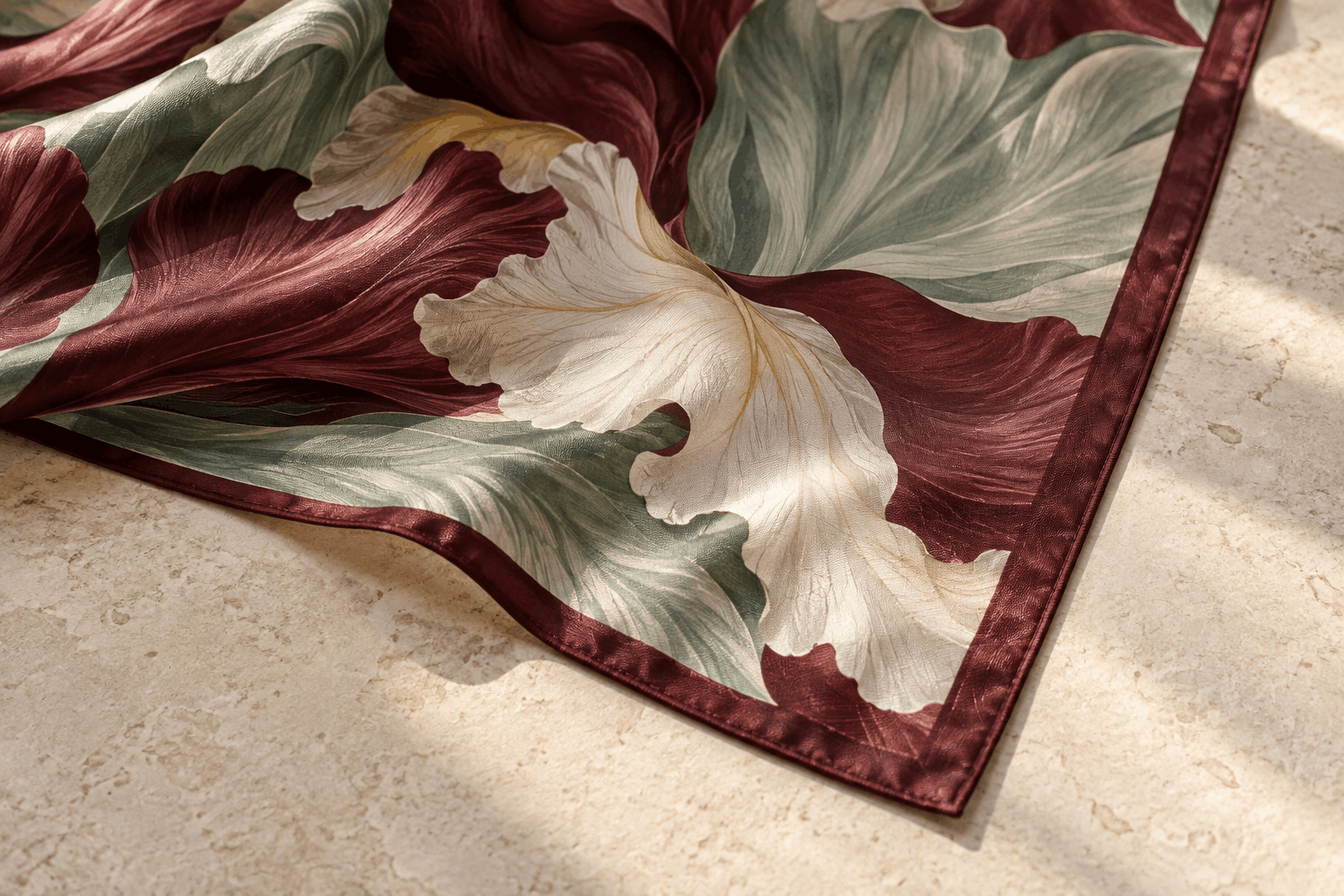
With a silk scarf, check the stated fibre composition, dimensions, fabric character, print definition and finishing. Look for tidy edges, considered corners and a drape that suits the intended styling. A heavier fabric or hand-rolled hem is not automatically the better choice for every design.
For other objects, ask similarly practical questions: is the print presented clearly, does the ceramic sit securely, and is the book binding comfortable to handle? Limited availability adds interest when the underlying object feels well resolved.
4. Clear Edition Records and Provenance
Documentation gives an edition a traceable identity. It helps distinguish the object from a similar design and preserves details that may disappear when an online listing changes.
Depending on the product, useful records can include:
- The product or edition name, maker and issuing institution.
- The release date, materials, dimensions and specific version.
- The declared edition size and individual number, if numbering is used.
- Relevant artwork credits and a clear explanation of the design’s source.
- The purchase receipt and any accompanying edition documentation.
A hypothetical marking of “37/200” identifies a piece within an edition described as 200. It does not, by itself, establish production order, superior quality or whether other colourways exist. Ask what the total covers.
Provenance concerns an object’s origin and ownership history. For a newly purchased museum gift, keeping the seller’s records is a useful beginning. A story card explains inspiration; an edition certificate records particular claims. Neither should be treated as independent proof of every claim simply because it looks formal.
5. Condition and Care That Fit the Owner’s Intentions
Some people collect objects to display; others build collections they wear and use. Decide which kind of enjoyment matters before buying.
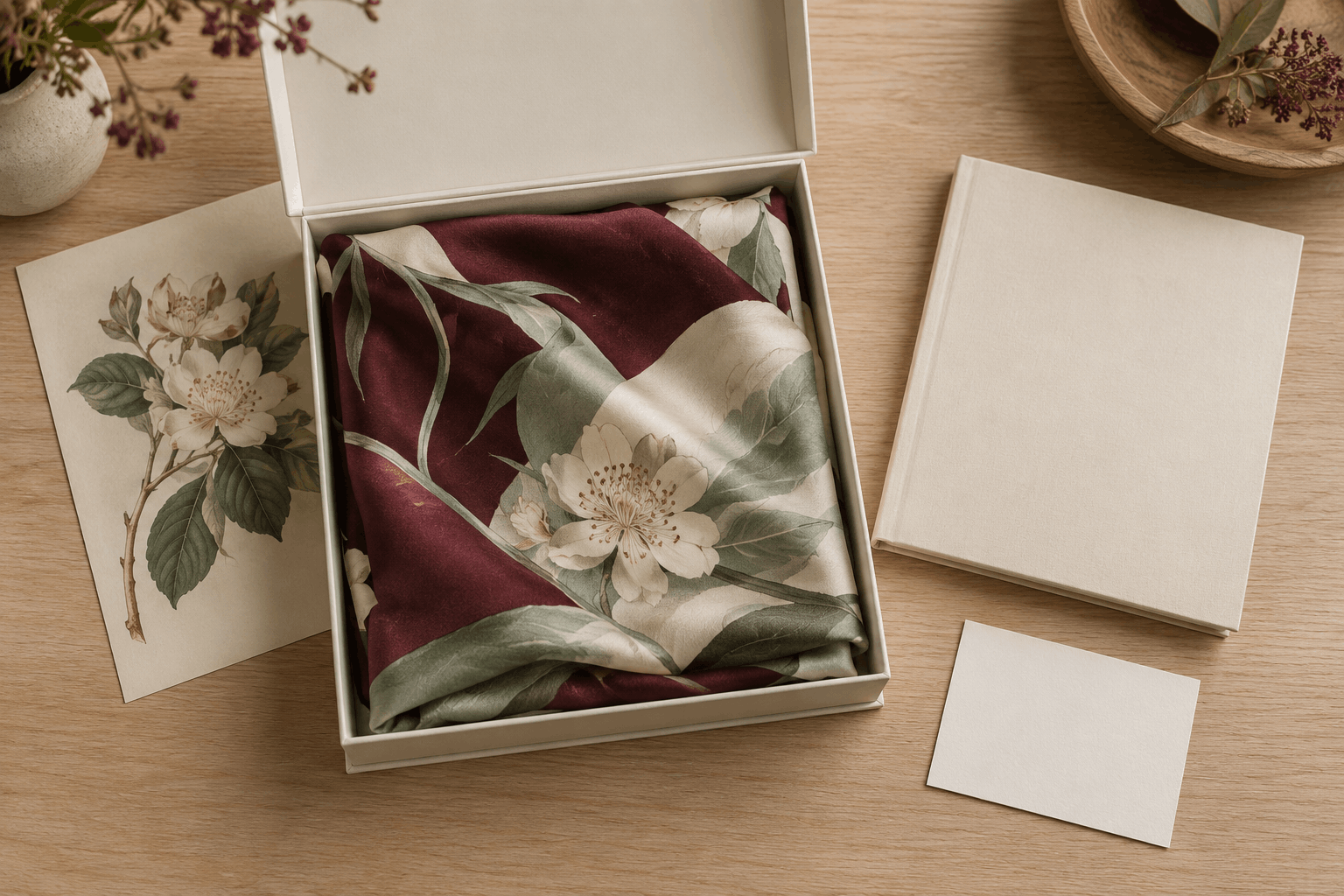
Inspect the item on arrival and retain its documentation. Original packaging may matter to a future collector, but an attractive presentation box should not automatically be assumed suitable for long-term conservation. Follow the maker’s care instructions and seek specialist advice for unusually delicate or valuable objects.
A wearable collection can be meaningful precisely because it becomes part of everyday life. If a scarf is a gift, choose colours and a format the recipient will enjoy wearing, and include the care information.
6. A Personal Reason to Keep It
The most persuasive reason to collect is often specific to the owner: a favourite artist, an interest in botanical illustration, a memorable journey or a museum visited with family.
For a gift, explain that connection in a short personal note. “This reminded me of the exhibition we saw together” can mean more than emphasising how few pieces were made.
Collectibility and resale value are separate questions. A limited edition can be cherished without an active resale market. Choose an object for its design, significance and suitability, without treating scarcity as a promise of future financial value.

What Museum Teams Should Define Before Launching an Edition
A credible edition begins with clear decisions. Agree what is being limited, how the run will be recorded and what information visitors will receive. Keep an approved sample and a consistent product record.
If other sizes, colourways or later adaptations are planned, describe how they differ. Where proofs or samples sit outside a numbered run, explain that arrangement when relevant. Avoid silently expanding the same declared edition after customers have bought into its stated limit.
Storytelling and presentation should make the product easier to understand. A concise card can explain the collection reference, while discreet packaging can hold the documentation together. Museum teams exploring scarves and culturally meaningful gifts can discuss their project through Lanting Loom’s museums and cultural institutions page.
Frequently Asked Questions
Are all museum-exclusive gifts limited editions?
No. Museum exclusivity describes an exclusive product or sales arrangement. A limited edition requires a defined quantity restriction. Check the product’s actual terms.
Does a limited-edition gift need to be numbered?
Individual numbering can make an edition easier to identify, but practices vary by product. Look for a clear edition statement and reliable records rather than assuming an unnumbered object cannot belong to a limited run.
Can a silk scarf be collectible and still be worn?
Yes. Someone may collect scarves for their artwork, cultural references and personal associations while enjoying them as accessories. Follow the care label and recognise that wearing an item changes its condition over time.
What should I check before buying a limited-edition museum gift?
Check what the edition limit covers, who made and issued the object, how it connects to the collection, its materials and condition, and which records accompany it. Then consider whether you or the recipient would still want it without the limited-edition label.
