


A teacher’s influence can be difficult to fit into a thank-you note. You may want to acknowledge patient explanations, encouragement during a difficult term or the confidence to try something new.
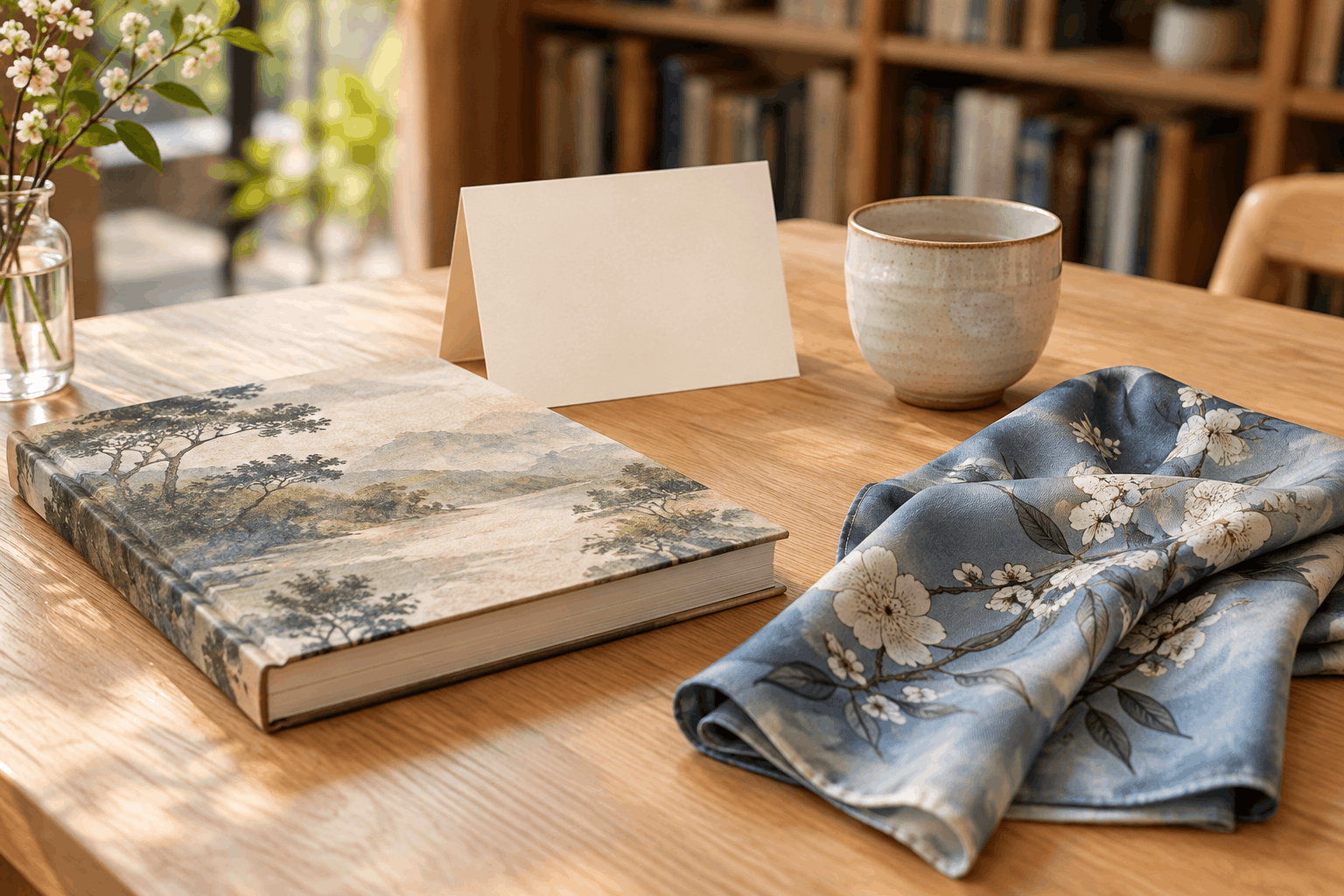
Thoughtful Chinese gifts for teachers combine a personal message with a cultural connection the recipient can enjoy. A book about Chinese art, a small ceramic cup, suitable tea or an artistic silk scarf may be worth considering when gifts are permitted and the choice fits the relationship. A handwritten card can also be the complete gift.
The aim is to express gratitude comfortably. Begin with what you want to thank the teacher for, then decide whether an object would add something meaningful.
Start with the School’s Guidance and the Teacher’s Preferences
Before shopping, check the school or institution’s current guidance on gifts. Ask the office if you are unsure whether personal gifts, group collections or particular types of gifts are accepted. There is no single budget or practice that works for every setting.
Keep the gesture proportionate and easy to receive. If gifts are discouraged, a thoughtful letter or a message of appreciation through the school’s recognised channel may be the most appropriate choice.
For a current teacher, keep any gift separate from requests about grades, recommendations or special consideration. Graduation does not automatically remove institutional expectations, so check the guidance even when a course is ending.
Once that is clear, think about the individual. A Chinese cultural gift can suit a teacher of any subject or background. Equally, a teacher who is Chinese or teaches Mandarin will not necessarily want the same objects as another person with that connection.
Chinese Teacher Gift Ideas at a Glance
| Gift idea | When it may suit | What to consider |
|---|---|---|
| Handwritten card or student-made artwork | A personal thank-you, end of term or graduation. | Include a specific memory or example of the teacher’s impact. |
| Chinese art or literature book | A teacher with a known interest in the subject. | Language, reading preferences and whether they already own it. |
| Tea or a small ceramic cup | Someone whose tea habits you know. | Personal preferences, ingredients, intended use and school guidance. |
| Art-inspired notebook or bookmark | A modest gift for someone who enjoys reading or writing. | Useful format, clear design attribution and quality of materials. |
| Artistic silk scarf | A teacher who wears scarves, where the value and gift type are appropriate. | Style, size, care and whether a personal accessory feels suitable. |
| Class memory book | A collective end-of-year or graduation thank-you. | Voluntary participation and relevant school guidance for student contributions. |
Six Thoughtful Ways to Say Thank You
1. A card with a specific memory
A card lets you acknowledge something the teacher might not realise mattered. Instead of a general compliment, describe a moment: the extra explanation that helped a topic click, the reading suggestion that sparked an interest or the encouragement before a presentation.
A younger student can draw a favourite classroom moment and add a sentence in their own words. A parent can help with presentation while leaving the child’s voice intact.
If you want a Chinese artistic connection, choose a card with a clearly identified artwork or let the student create an original design inspired by something they learned. The message remains the most important part.
2. A book connected to their interests
A book about Chinese painting, gardens, ceramics or literature can invite further discovery. Choose a subject the teacher has mentioned rather than assuming every educator wants another book related to their job.
Check the language, edition and level of detail. A visually rich introduction may suit a curious reader; a specialist might prefer a focused exhibition catalogue or a particular translation.
A short note can explain the connection: “Your lessons made me look at landscape painting differently, and this book reminded me of our discussion.” For more possibilities, see our guide to Chinese art gifts for collectors and design lovers.
3. Tea or a ceramic cup for a familiar routine
If you know the teacher enjoys tea, a small, clearly labelled selection may feel personal. Check preferences and ingredients rather than choosing solely for elaborate packaging. Tea is not a universal choice, and a non-food alternative may be simpler when you know little about their habits.
A ceramic cup can also be appealing if the recipient likes using such objects. Confirm its suitability for drinking, size and care requirements. Someone who carries a travel mug all day may have less use for a delicate cup.
4. A useful notebook or bookmark
A small object can carry an artistic reference without taking up much space. Look for a notebook with usable paper and binding, or a bookmark with an appealing design and practical shape.
The cultural connection might be a documented painting detail or an original botanical composition. Include a brief explanation if one is available, but avoid assigning a traditional meaning to a pattern without evidence.
5. An artistic silk scarf, when it fits the person and setting
A silk scarf may suit a teacher who already enjoys wearing scarves and whose institution permits a gift of that type and value. It is a more personal choice than stationery, so knowing the recipient’s style matters.
Notice colours they wear, the scale of patterns they prefer and whether they favour a compact square or a longer drape. Check the fibre composition, dimensions and care instructions before choosing.
A scarf is not necessary to make a thank-you feel special, and it should not stretch a student’s budget. Where it is appropriate, a design with an explained artistic connection can add a thoughtful layer. Our Chinese silk gift guide explores that relationship.
6. A class memory book
A collection of short messages can show the teacher different ways their work has mattered. Invite each student to contribute a favourite lesson, a drawing or a sentence about something they will remember.
Keep participation voluntary and make room for contributions that cost nothing. Follow the school’s guidance for including names, photographs or other student material. A simple, well-organised collection can feel complete without an additional purchased gift.

Choose a Cultural Meaning You Can Explain Naturally
A cultural reference should deepen your message, not make it difficult to write. Begin with an interest or connection you know: a lesson about Chinese art, a shared enthusiasm for gardens or an appreciation of a particular design.
Natural subjects sometimes carry wider associations. The Metropolitan Museum of Art’s Noble Virtues: Nature as Symbol in Chinese Art explains how imagery can draw meaning from history, poetry and cultural memory. Bamboo, for example, can evoke steadfastness under difficult conditions.
If a design’s documented story supports that association, it may provide a starting point for thanking a teacher’s steady encouragement. Your own message should explain the connection rather than present bamboo as a universal “teacher symbol.”
For more help distinguishing cultural context from personal interpretation, read our guide to Chinese cultural gifts rooted in art, symbolism and story.
Match the Gesture to the Occasion
A thank-you during the school year
A short note is often a straightforward way to recognise help while the teaching relationship continues. Name what you appreciated and keep the message separate from any request.
If you are considering a physical gift, check the guidance first and choose something modest. There is no need to wait for a major occasion to express gratitude in words.
End of term or the school year
This is an opportunity to reflect on progress. A student might describe something they can do now that felt difficult at the beginning of the year. A parent might explain a change they have noticed in their child’s confidence or curiosity.
If a class is organising a collective gesture, agree the format before collecting money. A group gift should remain within the institution’s guidance; combining contributions does not automatically make a higher-value item appropriate.
Graduation
A graduation thank-you to a teacher can look back and forward. Describe a lesson you will carry into your next stage, whether that is a way of thinking, a habit of practice or the confidence to ask questions.
A letter may be especially fitting. If a gift accompanies it, choose something connected to the teacher’s interests rather than an object that mainly celebrates the student’s achievement.
Chinese New Year or Lunar New Year
First establish whether the teacher celebrates or welcomes the occasion being acknowledged. You can share your own family’s celebration warmly without assuming it is part of theirs.
A card with a simple New Year wish may be enough. If gifts are permitted, select around known preferences and avoid treating cash, gift cards or red envelopes containing money as an automatic choice for a teacher.
Our Chinese New Year gift guide offers broader ideas, but the school’s expectations should guide what you give in an educational setting.

How Much Should You Spend?
There is no universal amount. Start with the institution’s guidance and what is comfortable for you. A sincere message does not become more valuable because the accompanying object costs more.
Avoid comparing your choice with other families or students. If a group collection is organised, contributions should be optional and there should be a way to participate without paying.
For a former teacher or long-standing mentor, the relationship may be different, but it is still worth considering what would feel comfortable to receive. Choose with their preferences and any continuing institutional expectations in mind.
Ready-to-Use Teacher Thank-You Messages
From a student
“Thank you for explaining things patiently and encouraging me to keep trying. I feel much more confident asking questions because of your support.”
From a parent
“Thank you for the care and encouragement you have given our child this year. It has been lovely to see their confidence grow and to hear them talk so enthusiastically about learning.”
For graduation
“As I graduate, I wanted to thank you for helping me see what I could achieve. I will carry your encouragement, and the habit of asking better questions, into the next chapter.”
For a teacher who celebrates Lunar New Year
“Wishing you a happy Lunar New Year and a restful celebration with the people you love. Thank you for your patience, generosity and encouragement.”
Use these as starting points and add one true detail. A specific memory makes the message sound like you and helps the teacher understand the difference they made.
Keep the Presentation Simple and Comfortable
A neat card and appropriate protective packaging are usually enough. Avoid a dramatic presentation that puts the teacher on the spot. If the school has a collection point or agreed way to give cards, use it.
For an online order, check the delivery date and message options. Use a school-approved delivery arrangement rather than seeking a teacher’s private address. If the teacher cannot accept the gift, respect that decision without pressing them.
If a Lanting Loom scarf is an appropriate choice, consult its product page and gift services information for the exact presentation and available personal-message options.
Frequently Asked Questions
What is a meaningful Chinese gift for a teacher?
A handwritten note, an art or literature book, a useful bookmark, suitable tea or a small ceramic piece can be thoughtful. A silk scarf may also suit someone who wears them, where the gift is permitted and proportionate. The personal reason for your choice matters most.
Can I give a Chinese cultural gift to a teacher who is not Chinese?
Yes, if it fits their interests. A clear, short explanation can make the design or story accessible. Choose for the individual rather than assuming a particular cultural background is necessary.
Is a silk scarf too personal for a teacher?
It depends on the relationship, the teacher’s preferences and the institution’s guidance. It is more suitable when you know they enjoy scarves. If you are unsure, choose a less personal item or a card.
Should the whole class buy one gift?
A collective gift can be considered if the school permits it, but participation should be voluntary. A shared card or memory book lets students contribute without a financial expectation.
Can I give money or a gift card?
Check the institution’s guidance specifically before considering either. Do not assume that a festive occasion or group collection makes them acceptable. A personal message is a simpler starting point.
What if the teacher says they do not want gifts?
Respect that preference. If appropriate, express your gratitude in a short note or through the school’s usual appreciation channel.
Let the Thank-You Lead the Choice
The most meaningful teacher gift begins with something true: what they helped you understand, how they encouraged you or why their support mattered. A cultural object can add a thoughtful connection, while your words explain the gratitude behind it.
If a silk accessory suits the teacher and the setting, explore Lanting Loom’s design stories and scarf collection. Choose a piece they would enjoy, and let a personal note make the gesture complete.
